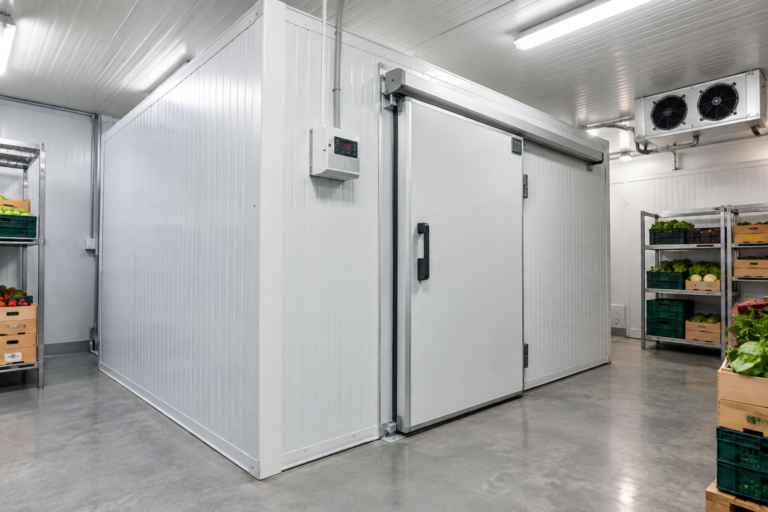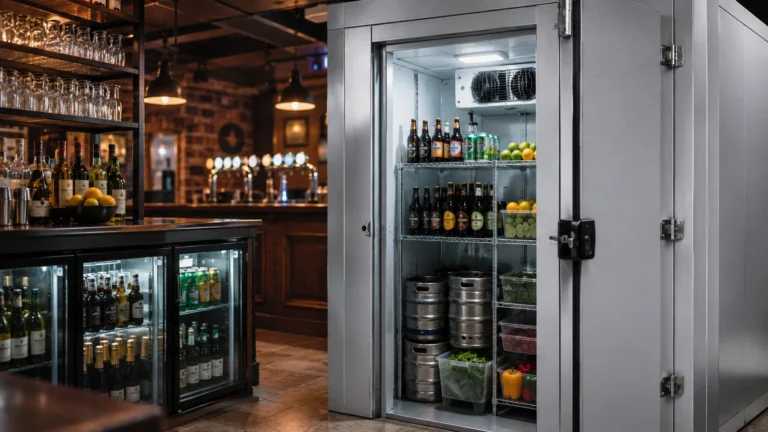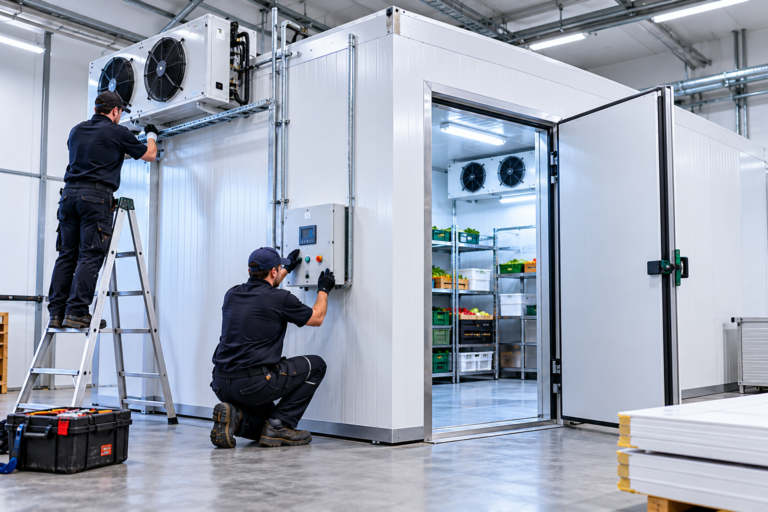
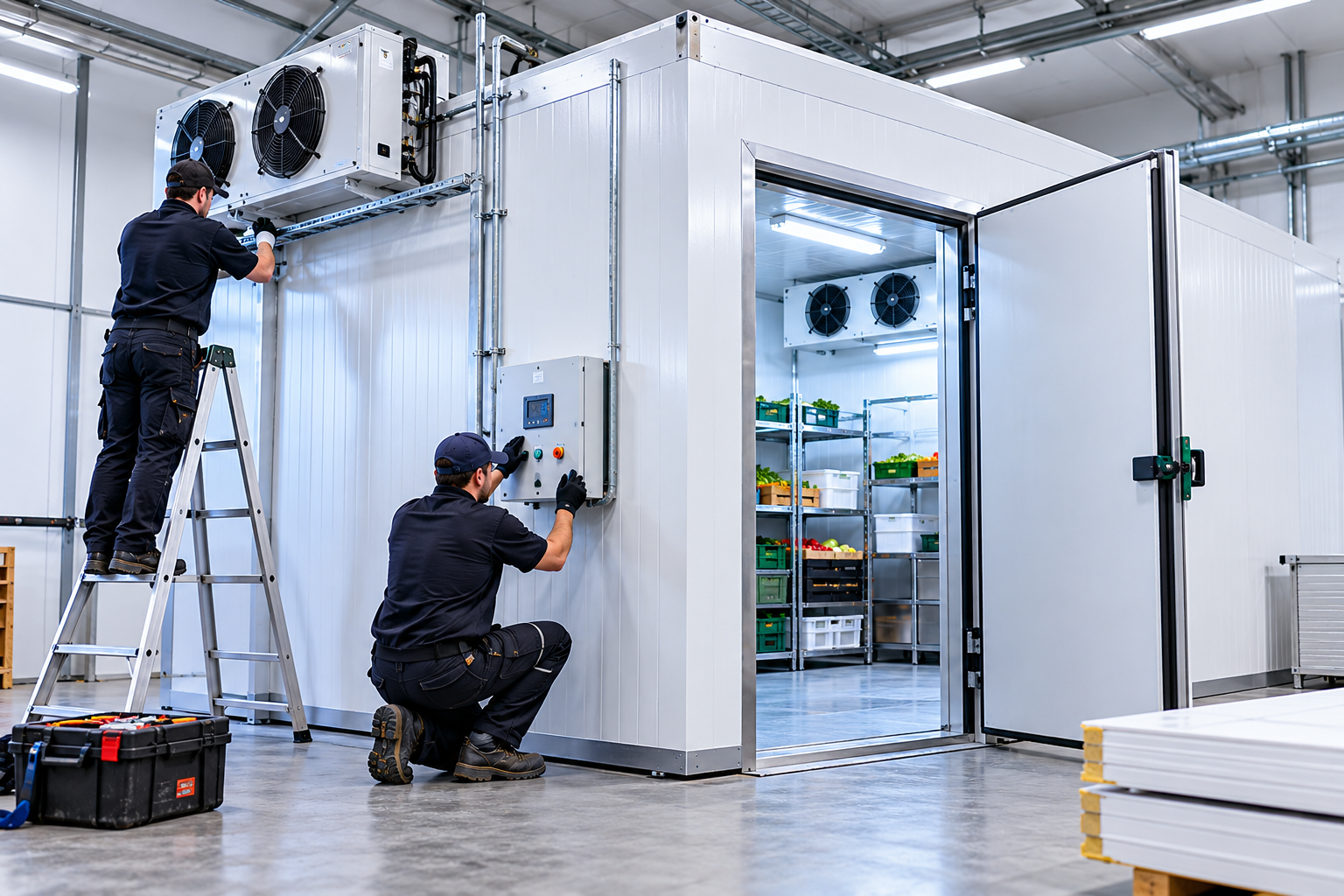
Cold Room Installation in Leicester: A Local Business Owner’s Guide
Running a food, hospitality, retail or catering business means keeping products at safe temperatures every day. That is why cold room installation Leicester businesses choose should be based on more than price alone. The right system needs to fit your space, products, daily workload and future plans.
A well-designed cold room can help protect stock, support food safety and reduce wasted energy. It can also make daily work easier when staff need fast and safe access to chilled or frozen products.
For Leicester businesses, local food safety rules and practical site needs should be considered from the start. Leicester City Council says food businesses are subject to food hygiene inspections, and business owners must understand food safety and HACCP requirements.
So, what should you know before ordering a new cold room?
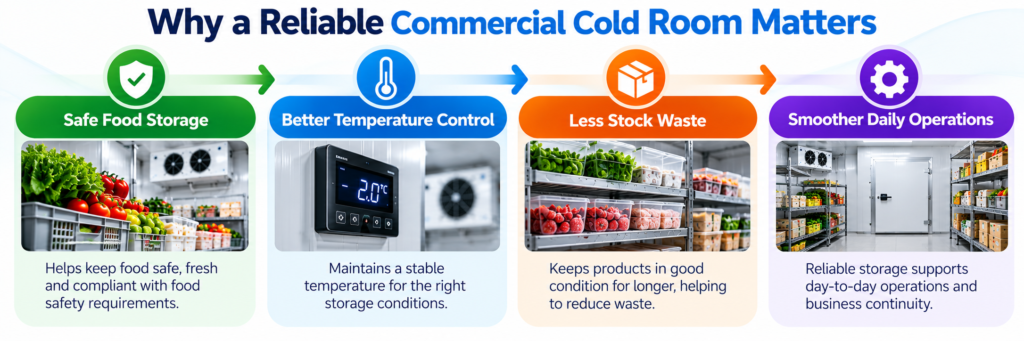
Why Leicester Businesses Need a Reliable Cold Room
Leicester has a wide mix of food businesses, including restaurants, takeaways, caterers, retailers, food producers and market traders.
For these businesses, refrigeration is not simply another piece of equipment. It is part of the daily food safety process.
A failed cold room can quickly become a serious business problem. Stock may become unsafe, deliveries may need to be rejected and trading may have to stop until the problem is fixed.
Leicester City Council confirms that food businesses can be inspected for compliance with food hygiene law. It also advises food business owners to understand HACCP procedures and food safety requirements.
This is why cold room installation Leicester projects should start with the products you store and the temperatures they require.
Chiller or Freezer: Which Do You Need?
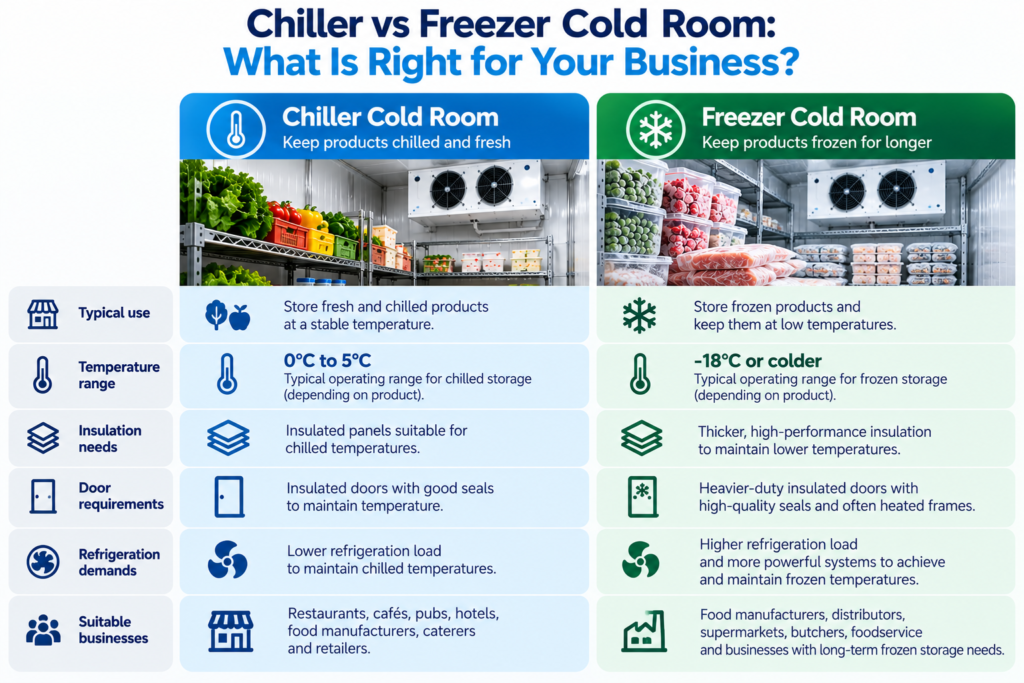
A chiller room is normally used for products that need to stay cold but not frozen. A freezer room is designed for much lower temperatures.
The difference affects insulation, refrigeration capacity, door design and running costs.
Choosing the wrong type can lead to poor temperature control and higher energy bills.
A good installer should ask what you store, how much stock you hold, how often the door opens and how quickly new deliveries need to be cooled.
What Temperature Should a Commercial Cold Room Be?
This is one of the most important questions for a food business.
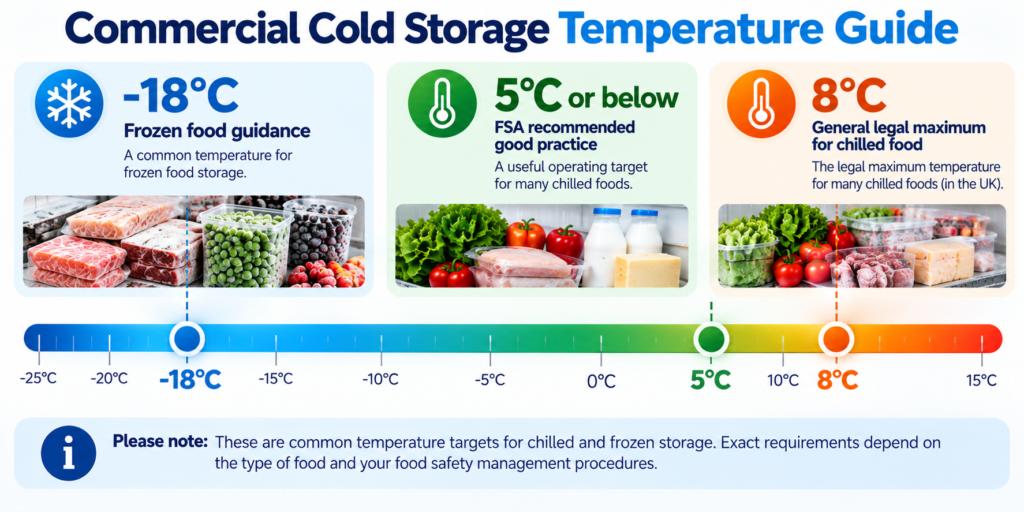
The Food Standards Agency says chilled food should generally be stored at 5°C or below as recommended good practice, while the legal maximum for chilled food in England, Wales and Northern Ireland is generally 8°C. Frozen food should be maintained at -18°C according to FSA guidance.
That difference is important.
A business should not aim to operate right at the legal limit if it can maintain a safer working margin.
The FSA‘s research found that some food businesses had average fridge temperatures above the recommended 5°C. It also highlighted the importance of regular temperature checks and acting when temperatures rise above the recommended level.
For this reason, your cold room should have a reliable temperature display and a clear process for checking temperatures.
A modern monitoring system can also provide an early warning when temperatures move outside the safe range.
Do Not Guess the Temperature
Different foods can have different storage requirements.
Always check the manufacturer’s instructions and your food safety plan.
Your refrigeration engineer can help design the system, but the final storage temperature should match the food and the rules that apply to your business.
What to Consider Before Cold Room Installation in Leicester
Good refrigeration starts before the first panel is installed.
The most important step is a proper site survey.
During a survey, the engineer should look at the available space, access, electrical supply, ventilation, heat entering the room and the way your staff will use the cold room.
They should also ask about your busiest periods.
For example, a restaurant that opens its cold room dozens of times during a busy evening has different needs from a wholesaler that loads it once in the morning and leaves it closed for hours.
The Cold Room Installation Process
A professional cold room installation Leicester project should follow a planned process.
Step 1: Site Survey
The engineer measures the proposed area and studies how the room will be used.
They assess heat load, product type, expected stock levels, access, ventilation and electrical requirements.
This information forms the basis of the design.
Step 2: System Design
The next stage is selecting the right insulation, panels, doors and refrigeration equipment.
The cooling system must have enough capacity to deal with normal use as well as the heat entering when doors open or warm products are loaded.
A professional design also considers maintenance access and future repairs.
Step 3: Installation
The insulated panels are assembled and sealed.
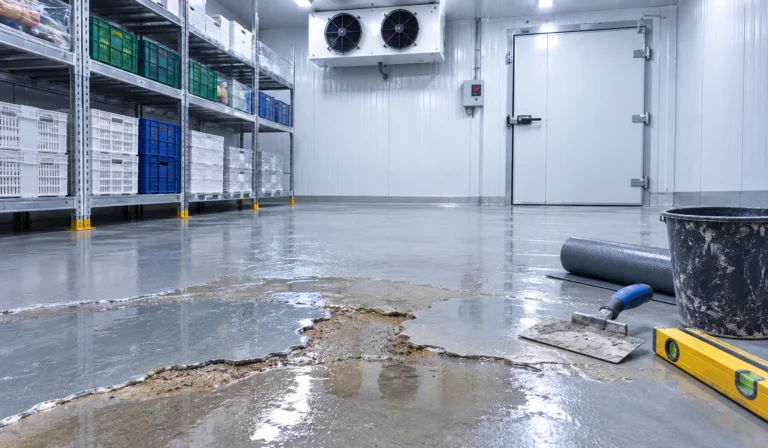
The floor and joints need careful attention because gaps can allow heat and moisture to enter.
The refrigeration equipment, controls and electrical connections are then installed.
Step 4: Testing and Commissioning
The final stage is testing.
The engineer should check that the system reaches its required temperature and operates correctly.
You should also be shown how to use the controls and understand what to do if an alarm or fault occurs.
How Much Does Cold Room Installation Cost?
There is no reliable single price for a commercial cold room.
The final cost depends on the room’s size, temperature range, insulation, refrigeration equipment, doors, controls, electrical work and installation conditions.
A small chiller room will normally cost less than a large freezer room.
A custom room may also cost more than a standard design because it needs different panels, controls or refrigeration equipment.
The cheapest quotation is therefore not always the best value.
When comparing quotations, look at what is actually included.
| What to Compare | Why It Matters |
|---|---|
| Room size | Determines storage capacity |
| Temperature range | Affects refrigeration and insulation |
| Insulation | Helps control heat gain |
| Refrigeration equipment | Affects performance and running cost |
| Controls and monitoring | Helps maintain temperature |
| Installation | Affects reliability and system life |
| Warranty and support | Helps manage future problems |
Ask whether commissioning, controls, warranty support and future servicing are included.
A clear quotation makes it much easier to compare installers fairly.
F-Gas Rules and Choosing Qualified Engineers
F-Gas is an important issue when choosing a refrigeration contractor.
The UK Government states that individuals need the correct qualifications to work on equipment containing F-Gases. This includes installing, servicing and maintaining relevant stationary refrigeration systems, checking for leaks, recovering gases and decommissioning equipment.
The rules also apply to companies.
A company servicing stationary refrigeration equipment containing F-Gas for another business generally needs the appropriate company certification.
This is why you should never choose an installer based only on a low price.
Ask about the engineer’s qualifications and the company’s certification before work starts.
What Does Level 3 RACHP Mean?
RACHP stands for Refrigeration, Air Conditioning and Heat Pumps.
A Level 3 qualification indicates technical training in this field.
For a commercial cold room, this type of technical knowledge matters because installation involves more than simply putting panels together.
The refrigeration system must be correctly selected, installed, tested and maintained.
Key Takeaways
The best cold room installation in Leicester solution is not necessarily the biggest or cheapest system.
It is the system that matches your products, premises and daily workflow.
Start with a professional site survey.
Make sure the room has suitable insulation, refrigeration capacity, ventilation and temperature monitoring.
Check F-Gas qualifications before allowing anyone to work on refrigerant equipment.
Think about energy use from the beginning.
Most importantly, remember that refrigeration is a long-term investment.
Good design, proper installation and planned maintenance can help protect your stock and reduce avoidable operating problems.
If you are planning a new cold room, Coldroomplus offers free site surveys within a 50-mile radius and provides bespoke refrigeration systems, nationwide support and emergency repair services.
Ready to give your Leicester business safer storage, better temperature control and lower avoidable refrigeration costs? What would you want your new cold room to improve first?
Frequently Asked Questions
1. How much does a cold room cost to install in Leicester?
The price depends on room size, temperature range, insulation, refrigeration equipment, doors and installation requirements. A professional site survey is the best way to receive an accurate quotation for your premises.
2. What temperature should a commercial cold room be?
The FSA recommends that chilled food is kept at 5°C or below, while the legal maximum for chilled food in England is generally 8°C. Frozen food should generally be kept at -18°C, but always follow the storage instructions for the specific products you handle.
3. Do cold room engineers need F-Gas certification?
Yes, where the work involves activities covered by F-Gas rules, the engineer must have the correct qualification. GOV.UK states that relevant work includes installation, servicing, maintenance, leak checking, refrigerant recovery and decommissioning.
4. How long does cold room installation take?
The installation time depends on the size and complexity of the project. A small, straightforward room may be completed quickly, while a large bespoke installation can take considerably longer.
5. Should I choose a chiller or freezer cold room?
It depends on the products you store. Chiller rooms are used for products that need refrigeration, while freezer rooms are designed for frozen goods and require a lower operating temperature and suitable insulation.
6. Can a cold room be installed in an existing building?
Yes, in many cases a cold room can be built inside an existing commercial property. The available space, access, floor condition, ventilation and electrical supply should be checked during the site survey.
7. How can I reduce my cold room electricity costs?
Start with correct system sizing and good insulation. You can also reduce door-opening time, maintain airflow, check door seals, keep equipment clean and avoid setting the room colder than your products require.
8. How often should a commercial cold room be serviced?
There is no single service interval that suits every system because usage and equipment vary. A professional maintenance plan should be based on the system, operating conditions, manufacturer guidance and the risk of stock loss.
9. Does Leicester City Council inspect food businesses?
Yes. Leicester City Council states that registered food businesses are inspected for compliance with food hygiene law and are rated through the Food Hygiene Rating Scheme. Food business owners must also understand food safety and HACCP requirements.
10. What should I look for when choosing cold room engineers Leicester businesses can trust?
Look for properly qualified engineers, relevant F-Gas certification, commercial refrigeration experience and a clear installation process. You should also ask about commissioning, warranty, spare parts, maintenance and emergency support before choosing a contractor.