Cold Room for Pubs and Bars: Choosing the Right Cellar Cooling
Walk into any successful pub or bar, and you’ll notice one thing customers rarely think about: the quality of the drinks being served. Behind every perfectly poured pint sits a carefully controlled cooling environment. A properly designed cold room for pubs and bars is not simply a storage area—it is a critical asset that helps maintain beverage quality, reduce waste, improve energy efficiency, and protect profitability.
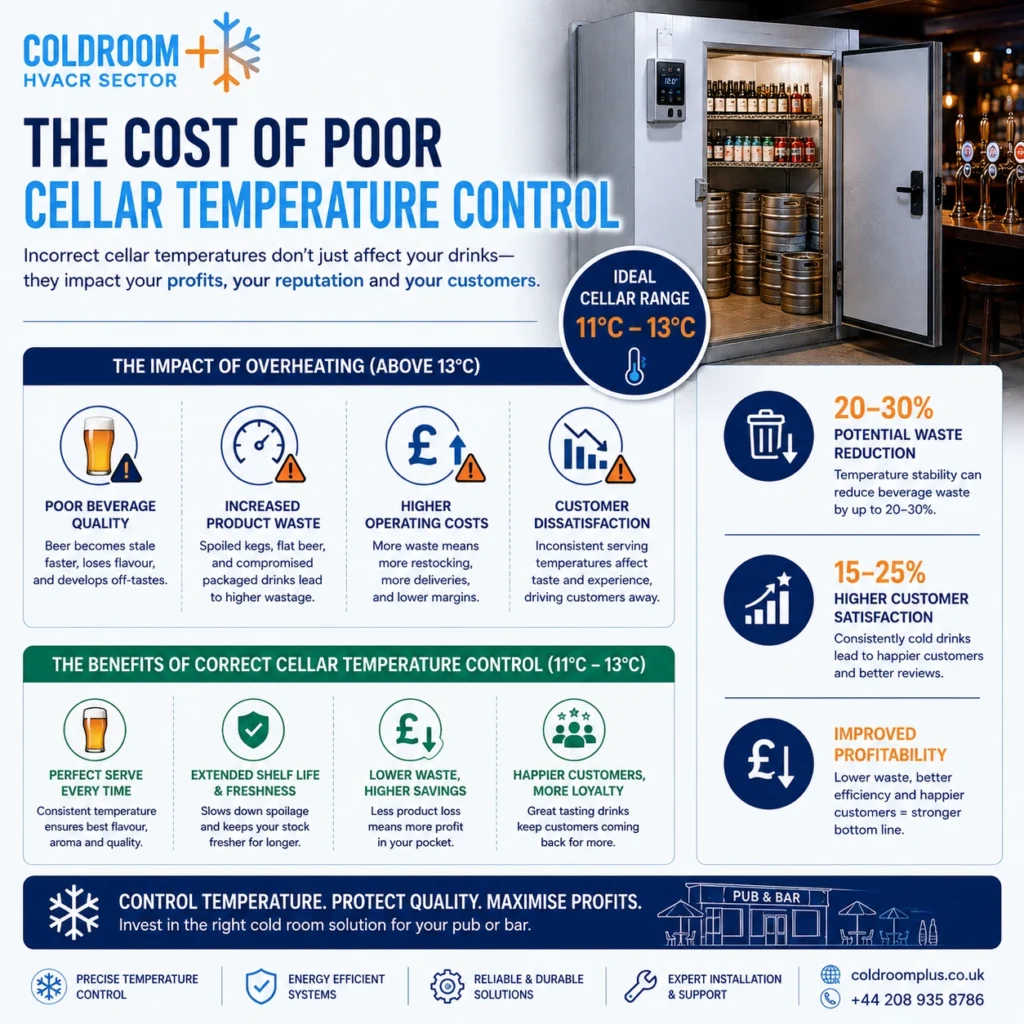
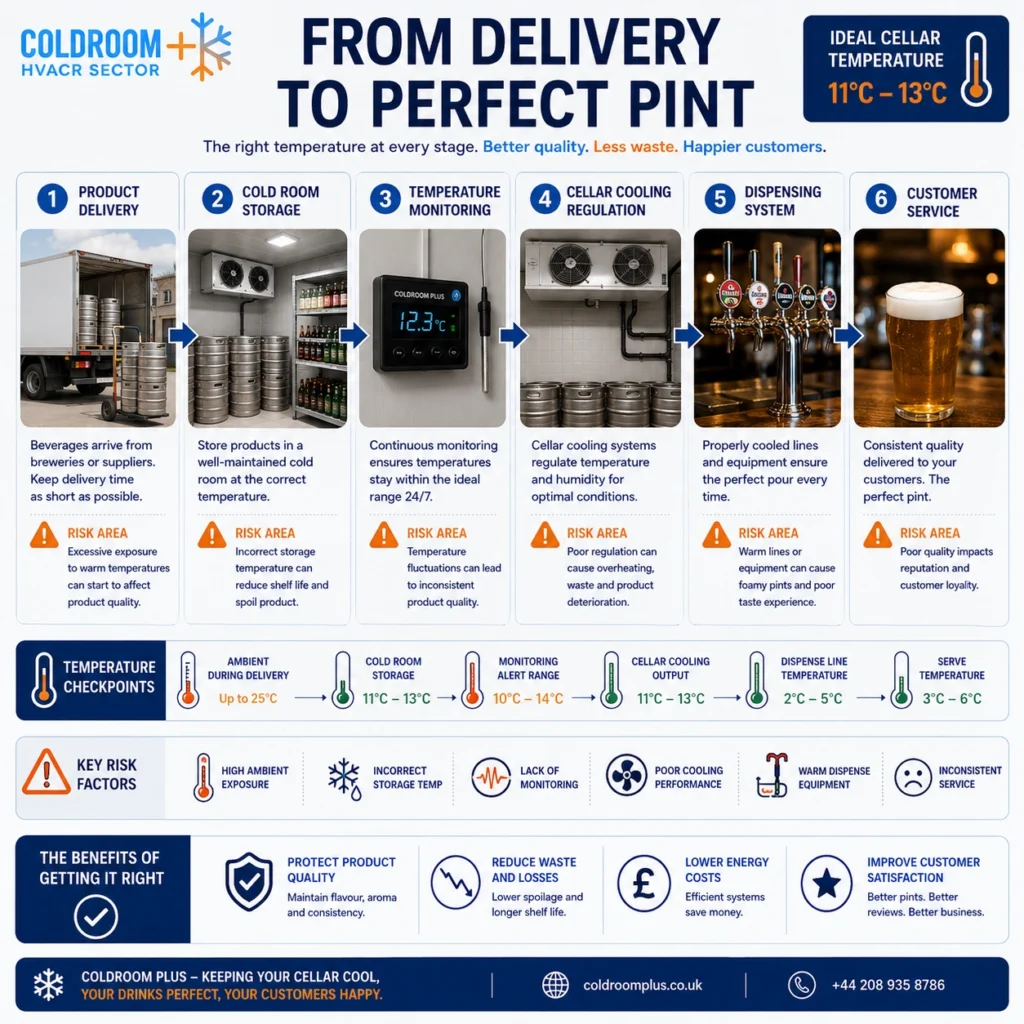
Whether you’re serving cask ales, craft beers, lagers, ciders, or soft drinks, maintaining the correct cellar temperature is essential. Industry guidance consistently shows that improper storage temperatures can negatively affect taste, carbonation, shelf life, and overall customer satisfaction. Beer organizations such as Cask Marque recommend cellar temperatures typically within the 11°C–13°C range for many cask ales, highlighting the importance of reliable cooling systems.
For pub owners, bar managers, and hospitality operators, choosing the right cold room for pubs and bars involves much more than selecting refrigeration equipment. It requires understanding cellar cooling requirements, operational demands, energy costs, and long-term maintenance considerations.
Why Cellar Cooling Matters in Pubs and Bars
Cellar cooling is the foundation of beverage quality control. Even premium products can lose their intended flavor profile if stored incorrectly.
Beer, cider, and other beverages are sensitive to temperature fluctuations. Excessive heat accelerates product degradation, while temperatures that are too low can impact carbonation and serving quality. Industry sources indicate that cellar temperature control directly influences beverage taste, freshness, and consistency.
A properly managed cellar helps:
- Maintain beverage quality
- Reduce product spoilage
- Improve customer satisfaction
- Protect stock investments
- Support consistent serving temperatures
- Lower refrigeration-related operating costs
For busy hospitality venues, these benefits quickly translate into measurable financial returns.
Understanding the Difference Between a Cold Room and Cellar Cooling System
Many pub operators mistakenly assume these are the same thing.
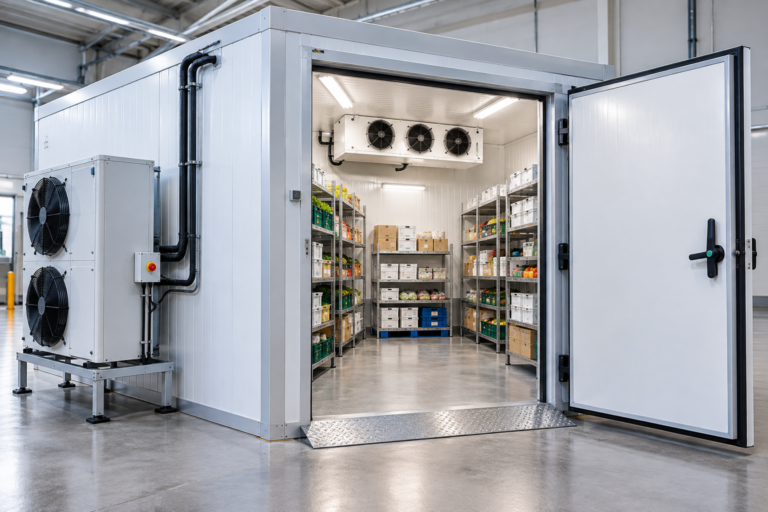
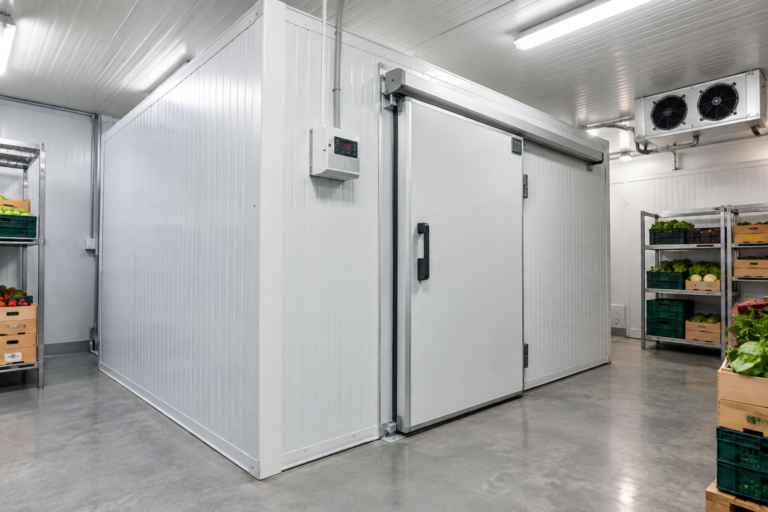
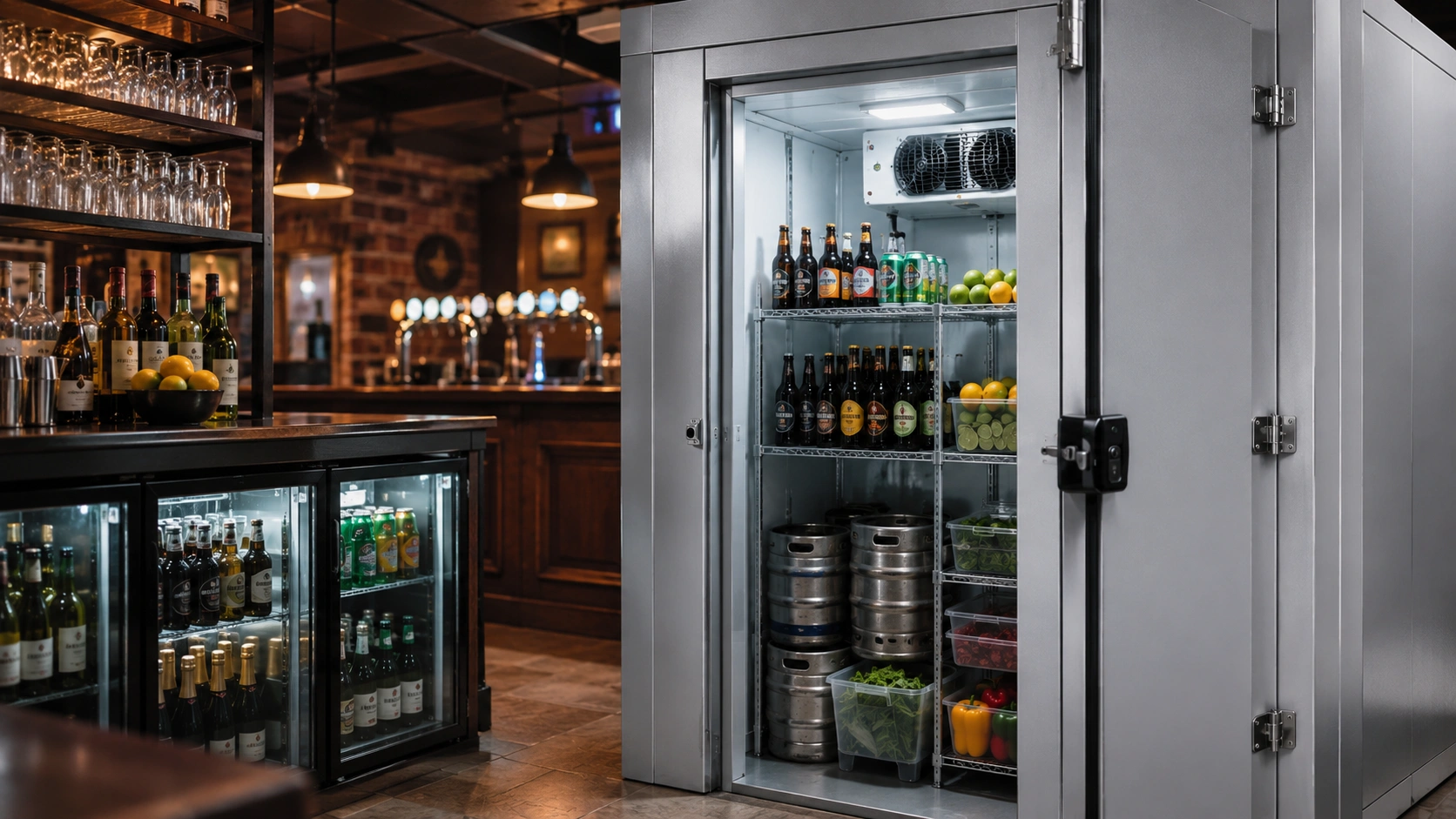
A cold room refers to the insulated storage environment where beverages are kept. Cellar cooling refers to the temperature-control system responsible for maintaining ideal storage conditions.
The most effective cold room for pubs and bars combines:
Insulated Storage Space
Proper insulation minimizes heat gain and reduces cooling demand.
Refrigeration Equipment
Dedicated cooling units regulate cellar temperatures throughout the year.
Air Distribution
Balanced airflow ensures uniform cooling across all stored products.
Temperature Monitoring
Modern systems use digital monitoring to maintain consistency and identify issues early.
When combined correctly, these elements create an efficient environment that protects stock quality while minimizing operating costs.
Cellar Cooling Temperature & Load Calculator
Determine the precise refrigeration load capacity required to maintain optimal cellar temperature settings for your beverage inventory.
Engineered Cooling Allocation Summary
Suggested Operating Temperature Target:
Cold Room Plus Engineering Assessment:
What Temperature Should a Pub Cellar Be?
Temperature management remains one of the most important aspects of cellar cooling.
Industry guidance commonly recommends maintaining cellar temperatures between 11°C and 13°C for many cask ales. This range helps preserve flavor while ensuring optimal serving conditions.
Different products may require slightly different conditions:
Beverage Type | Recommended Storage Temperature |
Cask Ale | 11°C–13°C |
Lager | 3°C–8°C (depending on serving setup) |
Craft Beer | Manufacturer recommendations |
Cider | 5°C–10°C |
Soft Drinks | 3°C–7°C |
Maintaining a stable temperature is often more important than achieving a precise number. Frequent fluctuations can negatively impact product quality and increase energy consumption.
Signs Your Existing Cellar Cooling System Is Underperforming
Many pub owners only discover cooling problems after experiencing stock issues or customer complaints.
Common warning signs include:
Inconsistent Drink Quality
If beverages taste different from one day to the next, temperature fluctuations may be responsible.
Excessive Energy Bills
Older cooling systems often consume significantly more electricity than modern alternatives.
Condensation Issues
Moisture buildup may indicate poor airflow or inadequate temperature control.
Uneven Cellar Temperatures
Warm spots within the cold room suggest airflow or equipment performance issues.
Frequent Equipment Breakdowns
Repeated repairs often signal that a cooling system is approaching the end of its operational life.
Choosing the Right Cold Room Size for Your Pub or Bar
Selecting the correct cold room size is crucial for both efficiency and operational performance.
An undersized cold room can struggle to maintain temperatures during busy periods. An oversized system may increase installation and operating costs unnecessarily.
When evaluating requirements, consider:
Stock Volume
Assess average and peak inventory levels throughout the year.
Delivery Frequency
Frequent deliveries may allow for smaller storage requirements.
Product Mix
Different beverages often require varying storage conditions.
Future Growth
Planning for expansion can prevent costly upgrades later.
A professional cold room installation should account for both current operational needs and future business growth.
Comparison Table: Cellar Cooling Options
| Cooling Solution | Best For | Temperature Stability | Energy Efficiency | Scalability |
|---|---|---|---|---|
| Split Cellar Cooling | Small to Medium Pubs | High | Good | Moderate |
| Monoblock Systems | Compact Installations | Moderate | Moderate | Limited |
| Remote Condensing Systems | Large Bars and Venues | Excellent | High | Excellent |
| Multi-Room Cooling | Large Hospitality Operations | Excellent | High | Very High |
Energy Efficiency Considerations
Energy costs continue to be a major concern across the hospitality sector.
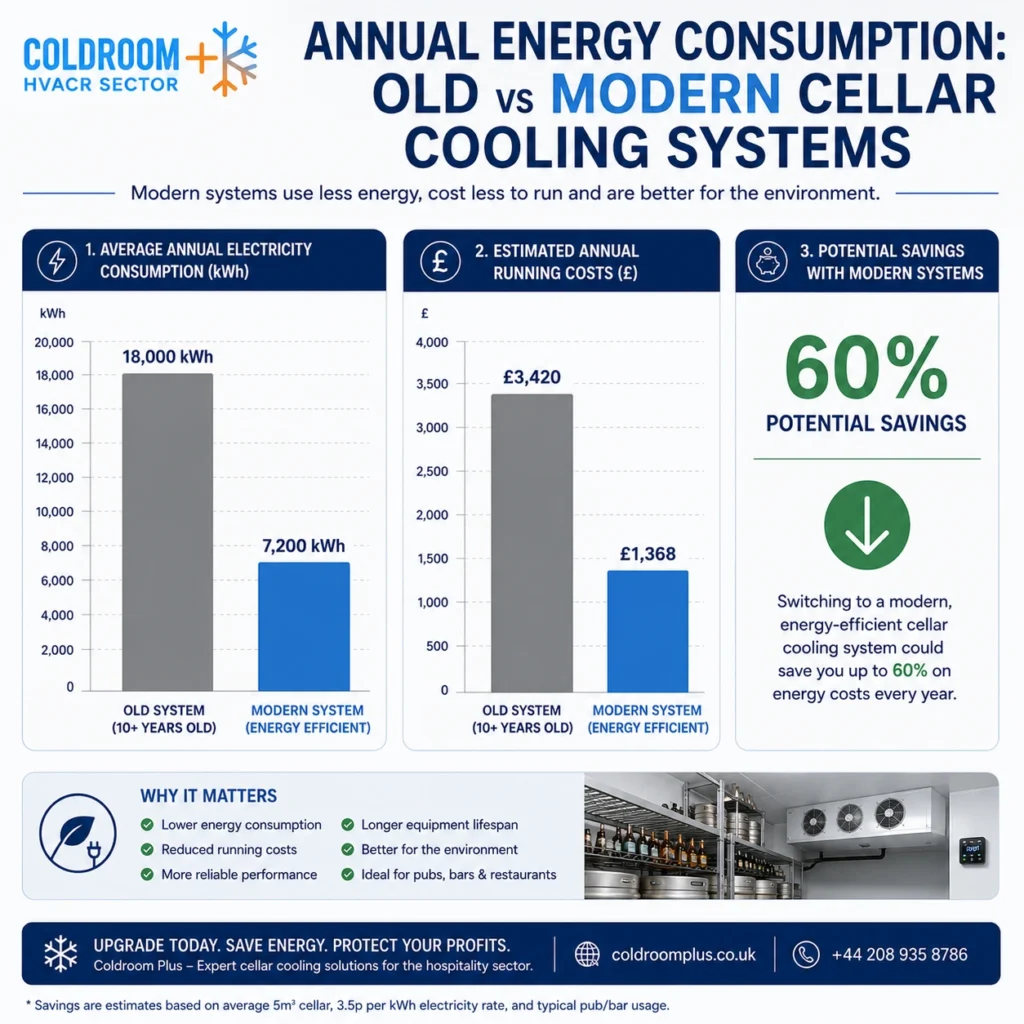
Modern refrigeration technologies can significantly reduce electricity consumption compared with aging systems. Energy-efficient components, improved insulation, variable-speed compressors, and smart controls all contribute to lower operating costs.
When evaluating a new cold room installation, operators should focus on total lifecycle costs rather than purchase price alone.
Important factors include:
Insulation Quality
Better insulation reduces heat transfer and cooling demand.
Door Usage
Frequent door openings increase refrigeration workload.
Smart Controls
Automated monitoring improves efficiency and consistency.
Preventive Maintenance
Regular servicing helps maintain peak performance.
A well-maintained cooling system typically delivers better temperature stability while consuming less energy.
The Importance of Professional Cold Room Installation
Even the best cooling equipment can perform poorly if installed incorrectly.
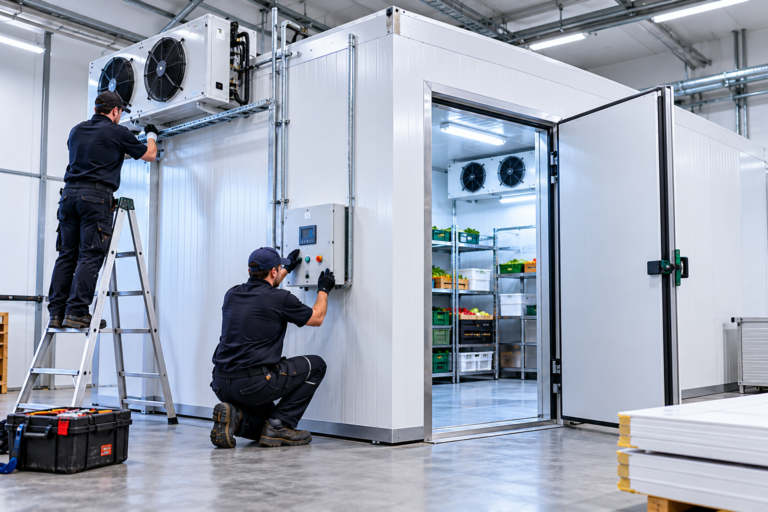
Professional cold room installation ensures that insulation, airflow, refrigeration capacity, drainage, and controls work together effectively.
Key installation considerations include:
Accurate Load Calculations
Cooling capacity must match operational requirements.
Airflow Design
Balanced circulation prevents temperature variations.
Hygienic Construction
Hospitality environments require easy-to-clean surfaces.
Regulatory Compliance
Installations should meet relevant food safety and refrigeration standards.
Future Service Access
Equipment should remain accessible for maintenance and repairs.
Poor installation can lead to higher energy costs, equipment failures, and reduced product quality.
Common Mistakes When Choosing a Cold Room for Pubs and Bars
Many businesses make purchasing decisions based solely on upfront cost.
This approach often creates long-term operational challenges.
Frequent mistakes include:
Choosing the Cheapest System
Lower-cost systems may result in higher energy consumption and maintenance expenses.
Ignoring Future Growth
Expansion can quickly outgrow existing cooling capacity.
Overlooking Maintenance Requirements
Easy service access reduces downtime and repair costs.
Focusing Only on Equipment
Insulation quality is equally important.
Neglecting Monitoring Technology
Real-time monitoring improves operational visibility and reduces risks.
Avoiding these mistakes can significantly improve the return on investment of a new cooling solution.
Future Trends in Pub Cellar Cooling
Technology is reshaping refrigeration management across hospitality businesses.
Emerging innovations include:
- Remote monitoring systems
- AI-driven temperature optimization
- Predictive maintenance platforms
- Smart energy management controls
- IoT-connected refrigeration equipment
These technologies help operators improve efficiency, reduce downtime, and maintain more consistent product quality.
As energy prices continue to fluctuate, investing in smarter cellar cooling solutions is becoming increasingly important for long-term operational sustainability.
How confident are you that your current cold room for pubs and bars is maintaining the ideal conditions for every keg, cask, and beverage you serve—and when was the last time you reviewed its energy efficiency and performance?
Frequently Asked Questions (FAQs)
1. What is the ideal temperature for a cold room in a pub or bar?
The ideal temperature for a pub or bar cold room depends on the beverages being stored. For cask ales, cellar temperatures are typically maintained between 11°C and 13°C, while lagers and soft drinks often require colder storage. Consistent temperatures help preserve flavor, carbonation, and product quality.
2. Why is cellar cooling important for pubs and bars?
Cellar cooling helps maintain the correct storage conditions for beer, cider, wine, and soft drinks. Proper cooling prevents spoilage, improves drink quality, reduces waste, and ensures customers receive beverages at their intended serving condition.
3. How much does cold room installation cost for a pub?
The cost of cold room installation varies depending on the room size, insulation requirements, cooling capacity, and site conditions. Small pub cellar cooling systems generally cost less than larger commercial installations designed for high-volume hospitality venues.
4. How do I choose the right cold room for my pub or bar?
Choosing the right cold room involves considering storage capacity, beverage types, available space, future business growth, energy efficiency, and temperature requirements. A professional assessment can help determine the most suitable solution.
5. What are the signs that a cellar cooling system needs replacing?
Key benefits include improved energy efficiency, greater storage capacity, customisable layouts, precise temperatu
Common signs include inconsistent temperatures, increased energy bills, excessive condensation, poor drink quality, unusual noises, and frequent breakdowns. If these issues occur regularly, it may be time to upgrade your cellar cooling system.
re control, enhanced compliance features, and stronger long-term return on investment.
6. How long does a commercial cold room installation take?
Most cold room installations for pubs and bars can be completed within a few days to a few weeks, depending on the project size, complexity, and site requirements. Larger systems may require additional time for commissioning and testing.
7. Can an energy-efficient cold room reduce operating costs?
Yes. Modern cold rooms and cellar cooling systems use advanced insulation, smart controls, and energy-efficient refrigeration technology to reduce electricity consumption and lower long-term operating costs.
8. How often should a pub cellar cooling system be serviced?
Most manufacturers recommend professional servicing at least once or twice per year. Regular maintenance helps improve efficiency, extend equipment lifespan, reduce breakdowns, and maintain consistent cooling performance.
9. What is the difference between a cold room and a cellar cooling system?
A cold room is the insulated storage area used to keep beverages at the correct temperature, while a cellar cooling system is the refrigeration equipment that controls and maintains the required environment inside the cold room.
10. Can a cold room be customized for different beverage types?
Yes. Modern cold room solutions can be configured to accommodate various products, including cask ales, kegs, wines, ciders, and soft drinks. Temperature settings and storage layouts can be tailored to operational requirements.