
How to Choose the Right Location for Your Cold Room Installation
When businesses invest in a new cold room installation, most of the attention goes toward refrigeration systems, storage capacity, or temperature performance. However, one of the most critical decisions is often overlooked — choosing the right location for the cold room itself.
The placement of a cold room directly affects energy efficiency, food safety compliance, operational workflow, maintenance accessibility, and long-term running costs. Whether you operate a restaurant, pharmaceutical facility, florist, supermarket, catering business, or even require a domestic cold storage solution, the location of your cold room can significantly influence performance and reliability.
According to the UK Department for Energy Security & Net Zero, refrigeration systems can account for up to 50% of total energy consumption in food retail environments. Poor placement can increase heat load, forcing refrigeration systems to work harder and consume more electricity. Proper positioning helps reduce operating costs while improving equipment lifespan.
For businesses across Leeds and throughout the UK, understanding where and how to position a cold room is just as important as selecting the refrigeration equipment itself.
Why Cold Room Location Matters More Than Most Businesses Realise
A professionally planned cold room assembly is designed to maintain stable internal temperatures while minimising external heat infiltration. The surrounding environment heavily impacts how efficiently the system performs.
Installing a cold room beside heat-generating appliances, in direct sunlight, or in poorly ventilated spaces can dramatically increase compressor workload. Studies published by the Carbon Trust show that every 1°C increase in ambient temperature can raise refrigeration energy consumption by approximately 2–4%.
Beyond energy costs, poor placement can also create operational bottlenecks. Staff may struggle with product movement, loading areas may become congested, and maintenance engineers could face restricted access during servicing.
Businesses that plan the installation strategically often benefit from:
- Lower electricity consumption
- Faster cooling recovery times
- Improved food safety compliance
- Reduced equipment wear and tear
- Easier maintenance access
- Better workflow efficiency
Understanding Heat Sources Before Installation
One of the first considerations during a cold room installation is identifying nearby heat sources.
Cold rooms function by removing heat from the internal space. The warmer the surrounding environment, the harder the refrigeration system must work to maintain target temperatures.
Common external heat sources include:
- Commercial ovens and kitchen appliances
- Boiler rooms
- South-facing exterior walls exposed to sunlight
- Loading bays with frequent door opening
- Poorly ventilated indoor spaces
- HVAC exhaust outlets
If possible, cold rooms should be positioned in naturally cooler areas of the building. Internal shaded zones generally perform better than outdoor-facing walls with prolonged solar exposure.

Accessibility Is Essential for Daily Operations
A cold room is used constantly throughout the working day. Poor placement can slow operations and reduce efficiency.
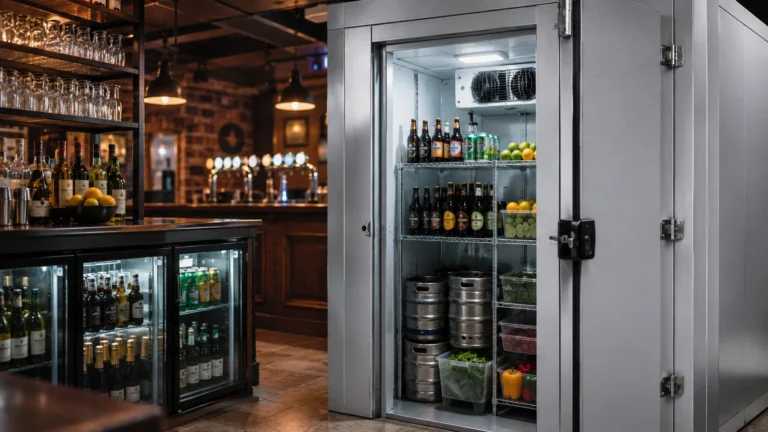
For restaurants, hotels, and catering businesses, cold storage should ideally be located close to food preparation zones while still remaining protected from excessive kitchen heat.
Warehouses and distribution facilities should position cold rooms near loading and dispatch areas to minimise transport time during stock handling.
Domestic users installing walk-in cold storage for large properties or speciality food storage should also consider accessibility for regular usage and cleaning.
The British Frozen Food Federation highlights that reducing unnecessary door openings and transport distances can help maintain stable internal temperatures while reducing energy waste.
Want a tailored recommendation or quick quote? Reach out today
Ventilation Requirements Are Often Overlooked
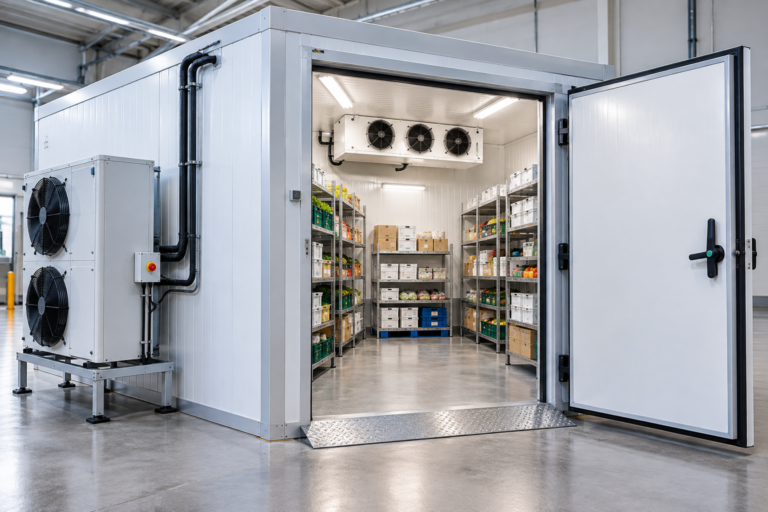
One of the biggest mistakes during cold room assembly is failing to provide sufficient airflow around the condensing unit.
Refrigeration systems release extracted heat into the surrounding area. Without adequate ventilation, warm air accumulates around the condenser, reducing system efficiency and potentially causing overheating.
Manufacturers generally recommend maintaining minimum clearance distances around refrigeration equipment for proper airflow and servicing access.
Poor ventilation may lead to:
- Higher energy bills
- Compressor overheating
- Reduced cooling efficiency
- Increased maintenance issues
- Premature equipment failure
Well-ventilated plant areas significantly improve refrigeration performance and reliability over time.

Floor Strength and Structural Support Considerations
Cold rooms can become extremely heavy once fully stocked.
Before installation, it is important to assess whether the floor structure can safely support:
- Insulated panel systems
- Refrigeration equipment
- Shelving systems
- Product loads
- Frequent foot traffic or pallet movement
This is particularly important for upper-floor installations or older commercial buildings.
For larger commercial cold rooms, reinforced flooring may be required depending on operational demands.
Drainage and Moisture Control Must Be Planned Properly
Moisture management is critical in refrigeration environments.
Cold rooms naturally produce condensation during operation, particularly in high-humidity environments. Improper drainage planning can result in water pooling, ice formation, slip hazards, and hygiene issues.
A properly planned installation should consider:
- Floor drainage systems
- Condensate removal
- Anti-slip flooring
- Humidity management
- Vapour barriers
The Food Standards Agency emphasises the importance of maintaining hygienic refrigeration environments to prevent bacterial growth and contamination risks.
Proper drainage planning also helps prevent long-term structural damage around the installation area.
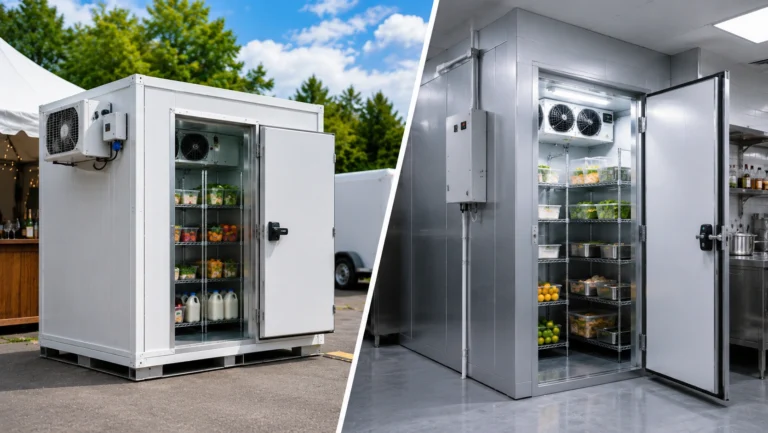
Outdoor vs Indoor Cold Room Installation
Many businesses ask whether indoor or outdoor installation is better.
The answer depends on available space, operational workflow, and environmental conditions.
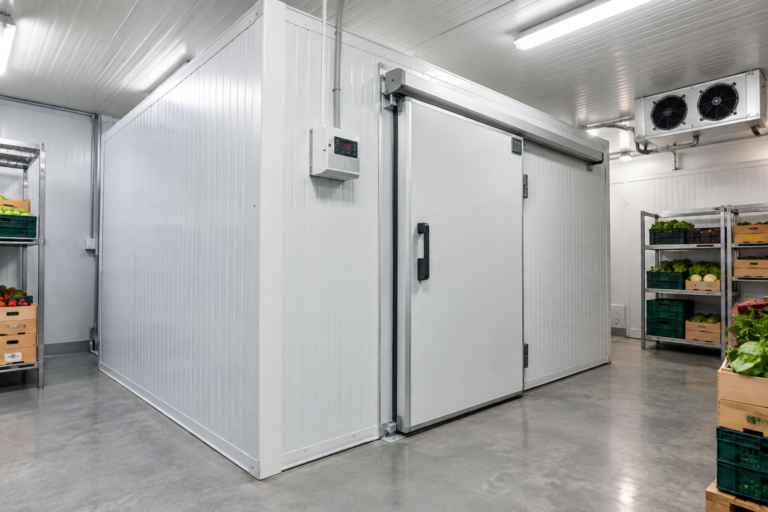
Indoor Cold Room Installation
Indoor systems generally benefit from:
- Better ambient temperature stability
- Reduced weather exposure
- Lower heat gain
- Easier maintenance access
- Improved energy efficiency
Outdoor Cold Room Installation
Outdoor cold rooms are often used when internal space is limited. However, they require additional considerations including:
- Weatherproof panel systems
- UV-resistant finishes
- Enhanced insulation
- Rainwater protection
- Adequate ventilation around condensers
According to the International Institute of Refrigeration, environmental exposure can significantly affect refrigeration efficiency and maintenance requirements over time.
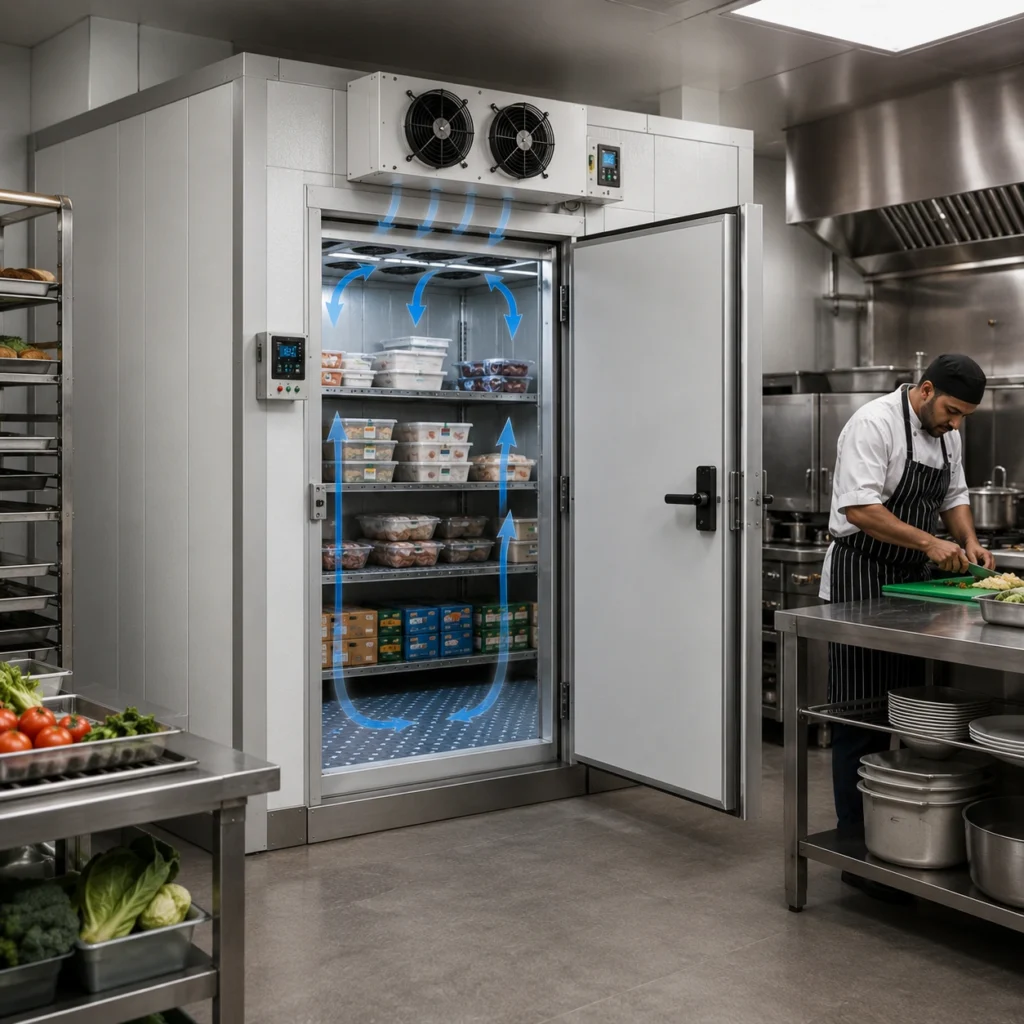

Workflow Efficiency Can Reduce Long-Term Costs
An intelligently positioned cold room improves staff productivity.
Businesses should evaluate how products move throughout the premises before finalising installation placement.
Questions worth considering include:
- How frequently will staff access the cold room?
- Will deliveries move through customer-facing areas?
- Is there enough clearance for trolleys or pallet trucks?
- Can doors open fully without obstruction?
- Is future expansion possible?
Even small improvements in workflow design can reduce operational inefficiencies over the long term.
Want a tailored recommendation or quick quote? Reach out today
Compliance and Safety Should Never Be Ignored
Cold room installations in the UK must comply with several health, safety, and refrigeration regulations.
Location planning should consider:
- Emergency exit accessibility
- Fire escape routes
- Electrical safety requirements
- Food hygiene compliance
- Refrigerant safety standards
- Maintenance access regulations
The Health and Safety Executive recommends ensuring refrigeration equipment remains accessible for inspection, servicing, and emergency maintenance.
Poor positioning can create compliance risks that become expensive to correct later.
Common Mistakes Businesses Make During Cold Room Installation
Many costly refrigeration issues stem from avoidable placement mistakes.
Some of the most common problems include installing cold rooms:
- Next to heat-generating equipment
- In poorly ventilated spaces
- Without future expansion planning
- Too far from operational work areas
- In areas with restricted maintenance access
- On structurally unsuitable flooring
A professional site assessment before installation helps identify these risks early.
Why Professional Planning Matters
Every building has different operational challenges, airflow conditions, and structural limitations. That is why experienced refrigeration engineers assess multiple factors before recommending the ideal cold room location.
At Coldroomplus, businesses across Leeds and the UK rely on professional guidance for efficient cold room installation and reliable cold room assembly solutions tailored to operational requirements.
Whether the project involves hospitality, retail, pharmaceuticals, food production, or domestic cold storage, proper placement planning helps maximise performance while reducing long-term operational costs.
Instead of simply fitting refrigeration equipment wherever space is available, strategic installation planning creates a more energy-efficient, compliant, and future-ready solution for your business.
FAQs
1. Why is the location important for a cold room installation?
The location of a cold room installation directly impacts energy efficiency, cooling performance, maintenance access, and operational workflow. Installing a cold room away from heat sources and in a well-ventilated area helps reduce energy consumption and improves system lifespan.
2. Where is the best place to install a cold room?
The ideal location for a cold room is a cool, shaded, and well-ventilated area with easy access for staff and maintenance engineers. Businesses should avoid placing cold rooms near ovens, boilers, direct sunlight, or areas with heavy heat exposure.
3. Can a cold room be installed outdoors?
Yes, outdoor cold room installation is possible when indoor space is limited. Outdoor systems require weatherproof insulated panels, proper drainage, UV protection, and adequate airflow around the refrigeration unit to maintain efficient operation.
4. What factors should be considered before cold room assembly?
Before starting cold room assembly, important factors include floor strength, ventilation, drainage, access routes, electrical supply, ambient temperature, and future expansion requirements.
5. Does poor cold room placement increase energy bills?
Yes. Poor placement can force refrigeration systems to work harder, increasing electricity usage. Installing a cold room in hot or poorly ventilated spaces often leads to higher operating costs and compressor strain.
6. How much ventilation does a cold room need?
Cold rooms require sufficient ventilation around the condensing unit to release heat effectively. Restricted airflow can cause overheating, reduced cooling efficiency, and increased maintenance issues.
7. Can cold rooms be installed in domestic properties?
Yes. Domestic cold room installation is becoming increasingly popular for large households, private catering, food storage, and specialist temperature-controlled requirements. Proper location planning remains essential for energy efficiency and convenience.
8. What is the most common mistake during cold room installation?
One of the biggest mistakes is installing the cold room too close to heat-generating equipment or in areas without proper airflow. This can significantly reduce refrigeration efficiency and increase long-term costs.
9. Do cold rooms require reinforced flooring?
Larger cold rooms or installations storing heavy products may require reinforced flooring to safely support shelving systems, refrigeration equipment, and product loads.
10. How can businesses improve cold room efficiency?
Businesses can improve efficiency by choosing the right installation location, minimising door openings, maintaining proper airflow, servicing equipment regularly, and ensuring professional cold room assembly.
11. Is planning permission required for a cold room installation in the UK?
In some cases, outdoor cold room installations may require planning permission depending on size, location, and local authority regulations. Commercial businesses should always check with local planning authorities before installation.
12. How long does a professional cold room installation take?
Installation times vary depending on size and complexity. Smaller systems may take one to two days, while larger commercial cold room assembly projects can take several days including refrigeration setup and testing.