Cellar Cooler vs Walk-In Cold Room: What’s Right for a Pub?
Running a successful pub is about much more than serving great drinks. Behind every perfectly chilled pint is a refrigeration system working around the clock. When comparing Cellar Cooler vs Walk-In Cold Room, many pub owners struggle to decide which option delivers the best value, storage capacity, and long-term performance. The right choice depends on your business size, stock volume, available space, and future growth plans.
Whether you’re opening a new pub, renovating your cellar, or replacing an ageing refrigeration system, understanding the differences between these two cooling solutions can save thousands of pounds in energy, maintenance, and product losses over the lifetime of the equipment.
Why Refrigeration Matters More Than Ever for Modern Pubs
Beer quality depends heavily on storage temperature. Most breweries recommend storing cask and keg beer between 11°C and 13°C, while many packaged beverages require temperatures between 2°C and 5°C before serving.
According to the British Beer & Pub Association (BBPA), the UK pub industry serves millions of customers every week, making reliable refrigeration one of the most critical investments for maintaining product quality and reducing waste.
Poor temperature control can lead to:
- Reduced beer quality
- Increased product spoilage
- Higher electricity bills
- More equipment breakdowns
- Lost customer satisfaction
What Is a Cellar Cooler?
A cellar cooler is a refrigeration system designed specifically to cool an entire beer cellar. Instead of refrigerating individual products, it keeps the whole room at a stable temperature suitable for storing casks, kegs, and beverage stock.
These systems are commonly installed in:
- Traditional pubs
- Bars
- Restaurants
- Hotels
- Sports clubs
The goal is simple: keep the cellar consistently cool while allowing staff to move freely around stored drinks.
Because the entire room is cooled, beer can mature correctly while maintaining its flavour and carbonation.
What Is a Walk-In Cold Room?
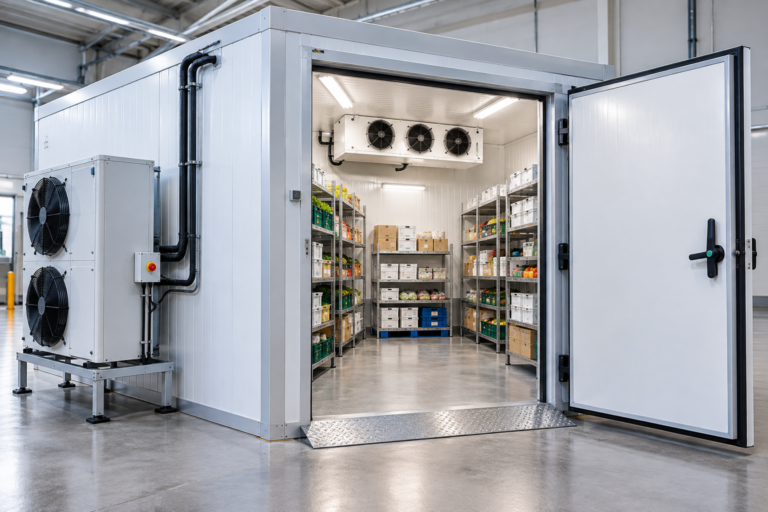
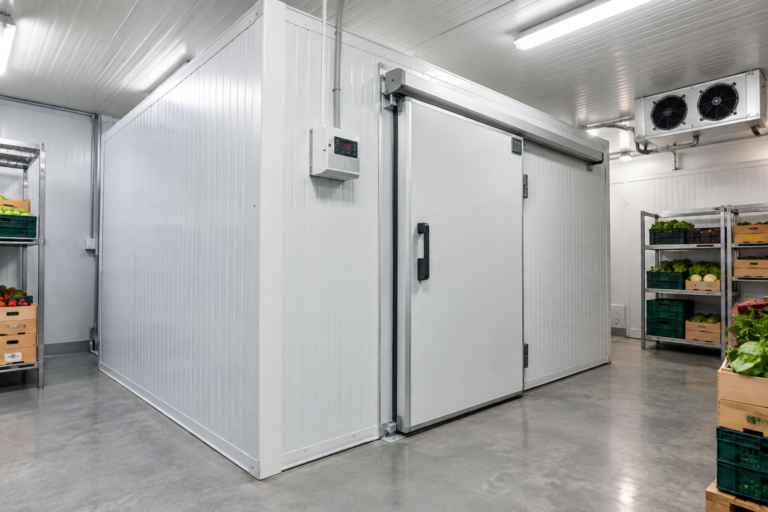
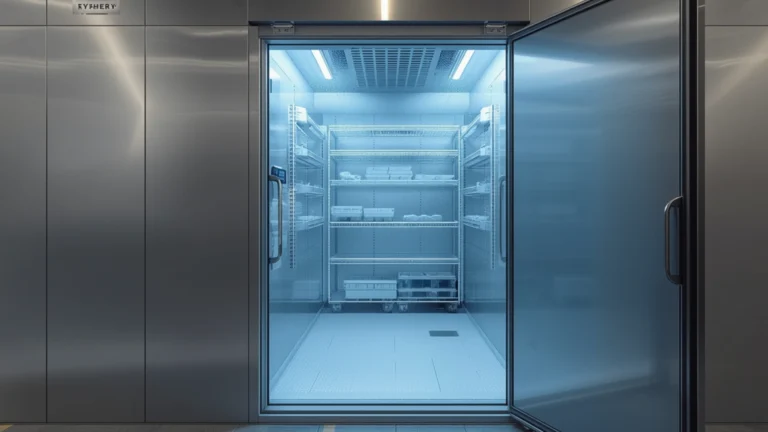
A walk-in cold room is a fully insulated refrigerated enclosure designed for storing many different chilled products.
Unlike a standard cellar cooler, a walk-in cold room can maintain temperatures much lower depending on business requirements.
Many pubs use walk-in cold rooms for:
- Bottled drinks
- Soft drinks
- Wine
- Food ingredients
- Dairy products
- Garnishes
- Prepared meals
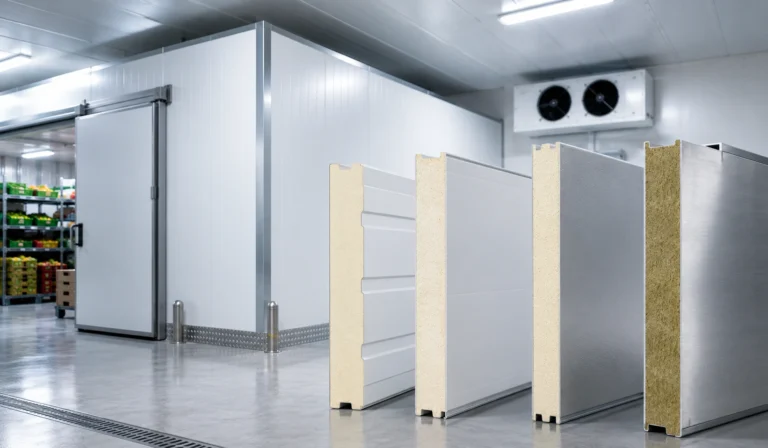
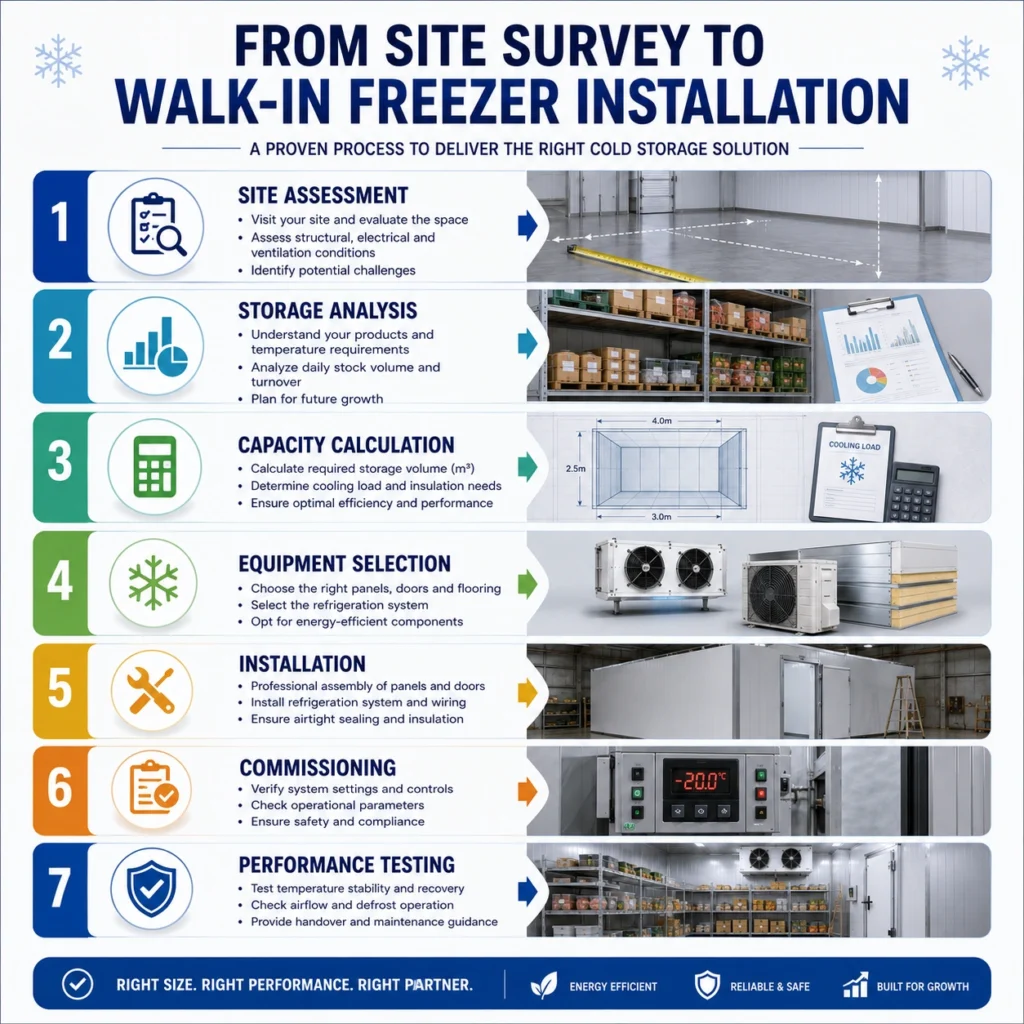
Modern Walk in cold room installation projects often include insulated panels, heavy-duty shelving, LED lighting, hygienic flooring, and digital temperature monitoring.
Cellar Cooler vs Walk-In Cold Room: Key Differences
| Feature | Cellar Cooler | Walk-In Cold Room |
|---|---|---|
| Primary Purpose | Keeps beer cellars at the ideal temperature for storing casks and kegs | Provides chilled storage for food, drinks, dairy products, flowers, pharmaceuticals, and other perishables |
| Ideal Temperature Range | Typically 11°C–13°C | Usually 0°C–5°C, but can be customised depending on products |
| Best For | Traditional pubs serving mainly draught beer | Gastropubs, restaurants, hotels, bars, breweries, and businesses needing mixed chilled storage |
| Products Stored | Casks, kegs, ale, lager, beer barrels | Bottled drinks, food, wine, dairy, meat, vegetables, desserts, and more |
| Room Construction | Uses an existing cellar with a cellar cooling unit | Fully insulated cold room built with insulated panels and refrigeration equipment |
| Storage Capacity | Suitable for beer storage only | Large-capacity storage for multiple product categories |
| Energy Consumption | Generally lower due to higher operating temperatures | Higher than a cellar cooler but can replace multiple refrigerators, improving overall efficiency |
| Installation Cost | Usually lower if an existing cellar is available | Higher initial investment depending on size and specifications |
| Maintenance Requirements | Routine servicing of the cooling unit and temperature controls | Regular servicing of refrigeration equipment, evaporators, condensers, and insulation checks |
| Flexibility | Limited to beverage storage | Highly flexible and suitable for changing business requirements |
| Scalability | Moderate | Excellent—can be expanded or customised as your business grows |
| Expected Lifespan | 10–15+ years with regular maintenance | 15–20+ years with professional installation and routine servicing |
| Suitable Businesses | Pubs, clubs, breweries, bars | Pubs, restaurants, hotels, cafés, supermarkets, catering businesses, and commercial kitchens |
| Long-Term Value | Best for beer-focused businesses | Best for businesses needing versatile, high-capacity refrigerated storage |
When Is a Cellar Cooler the Better Choice?
A cellar cooler is usually the right option when your business mainly serves draught beer.
If most of your drinks are stored in casks and kegs, cooling the entire cellar is often more practical than installing a dedicated cold room.
Many independent pubs prefer cellar cooling because:
- Existing cellar space can often be reused.
- Installation costs may be lower.
- Beer remains at brewery-recommended storage temperatures.
- Running costs are generally lower for beer-only storage.
Want a tailored recommendation or quick quote? Reach out today
When Is Walk in Cold Room Installation the Better Investment?
If your pub also serves food, cocktails, desserts, wine, and bottled drinks, investing in Walk in cold room installation often provides greater flexibility.
Instead of managing multiple domestic refrigerators, everything can be organised in one commercial refrigerated environment.
Walk-in cold rooms are especially suitable for:
- Gastropubs
- Hotels
- Brewery taprooms
- Busy restaurants
- Event venues
Because temperatures can be adjusted precisely, multiple food safety standards become easier to maintain.
Which System Uses Less Energy?
Energy efficiency has become one of the biggest concerns for hospitality businesses.
According to the UK Government’s guidance on commercial refrigeration, refrigeration equipment can account for a significant share of electricity use in hospitality businesses, making efficient systems essential for reducing operational costs.
A cellar cooler generally consumes less energy because:
- Higher operating temperatures
- Smaller refrigeration load
- Less compressor workload
However, this changes if several domestic fridges are used alongside the cellar.
A properly designed walk-in cold room can replace multiple refrigerators, improving overall efficiency despite its larger size.
Want a tailored recommendation or quick quote? Reach out today
Storage Capacity and Workflow
As pubs become busier, storage organisation becomes increasingly important.
Walk-in cold rooms provide:
- Better stock rotation
- Easier inventory management
- Faster staff access
- Improved hygiene
Cellar coolers, meanwhile, are ideal for heavy keg storage but less flexible for mixed products.
Choosing the wrong solution can create bottlenecks during busy service periods.
Food Safety Considerations
Food businesses must comply with strict storage temperature requirements.
The UK Food Standards Agency recommends chilled food should generally be kept at 8°C or below, with many businesses operating closer to 5°C for improved food safety.
This means:
- Cellar coolers are excellent for beer.
- Walk-in cold rooms are better for food storage.
Many pubs eventually use both systems to meet different operational needs.
Installation Costs vs Long-Term Value
Initial installation costs should never be the only deciding factor.
Instead, pub owners should compare:
- Equipment lifespan
- Energy efficiency
- Maintenance requirements
- Product protection
- Future expansion
A slightly larger investment today may reduce operating costs for many years.
Industry studies from the Carbon Trust consistently show that improving refrigeration efficiency lowers energy bills while extending equipment life through reduced system strain.
Common Mistakes Pub Owners Make
Many businesses purchase refrigeration based only on today’s needs.
Instead, consider where your pub will be in five years.
Common mistakes include:
- Buying insufficient storage
- Ignoring future menu expansion
- Poor insulation
- Incorrect temperature settings
- Choosing domestic refrigeration
- Skipping preventative maintenance
Planning ahead often reduces expensive upgrades later.
Which Option Fits Your Pub Best?
Every pub operates differently.
A traditional ale house focused on cask beer may achieve excellent performance with a cellar cooler.
A growing gastropub serving food, bottled drinks, desserts, and wine often benefits from a professionally planned Walk in cold room installation that supports every part of the business.
The best solution isn’t always the biggest one—it’s the one that matches your daily operation, future growth, and energy goals.
What type of refrigeration does your pub currently use, and what’s the biggest challenge you’re facing with storage or cooling? Share your experience in the comments or contact our team to discuss the right solution for your business.
Frequently Asked Questions (FAQs)
1. What is the difference between a cellar cooler and a walk-in cold room?
A cellar cooler is designed to maintain the ideal temperature for storing cask and keg beer, usually between 11°C and 13°C. A walk-in cold room is a fully insulated refrigerated space that can operate at much lower temperatures, making it suitable for storing food, bottled drinks, dairy products, and other perishables. The best option depends on your pub’s storage needs and daily operations.
2. Which is better for a pub: a cellar cooler or a walk-in cold room?
If your pub mainly serves draught beer, a cellar cooler is often the most practical and cost-effective solution. However, if your business also serves food, wine, cocktails, and bottled beverages, a walk-in cold room offers greater flexibility and storage capacity. Many modern pubs use both systems together for maximum efficiency.
3. How much does walk in cold room installation cost in the UK?
The cost of walk in cold room installation depends on several factors, including room size, insulation thickness, refrigeration system, temperature requirements, shelving, and installation complexity. A professional site survey is the best way to receive an accurate quotation tailored to your business.
4. What temperature should a pub cellar cooler be set to?
Most breweries recommend keeping a pub cellar between 11°C and 13°C for storing cask and keg beer. Maintaining this temperature helps preserve flavour, carbonation, and overall beer quality while reducing the risk of spoilage.
5. Can a walk-in cold room be used for beer storage?
Yes. A walk-in cold room can store bottled and canned beer, kegs, and other beverages. However, for traditional cask beer, a dedicated cellar cooler is usually the better option because it maintains the recommended storage temperature for conditioning and serving quality.
6. Are walk-in cold rooms more energy efficient than multiple commercial fridges?
In many cases, yes. A properly designed walk-in cold room can replace several individual refrigerators, reducing overall energy consumption, improving stock organisation, and lowering maintenance costs. Energy savings depend on the size of the system and how efficiently it is installed and maintained.
7. How long does walk in cold room installation take?
Installation times vary depending on the project size and site conditions. Smaller cold rooms may be installed within a few days, while larger or bespoke commercial cold rooms may take one to two weeks, including commissioning and performance testing.
8. How often should a cellar cooler or walk-in cold room be serviced?
Commercial refrigeration equipment should typically be professionally serviced at least every six to twelve months. Regular maintenance helps improve energy efficiency, prevent unexpected breakdowns, extend equipment lifespan, and ensure consistent cooling performance.
9. Can an existing pub cellar be converted into a walk-in cold room?
Yes. In many cases, an existing cellar can be upgraded into a walk-in cold room by installing insulated panels, refrigeration equipment, hygienic finishes, and temperature controls. A professional assessment is recommended to determine whether the space is suitable for conversion.
10. How do I choose the right commercial refrigeration system for my pub?
The right system depends on your available space, storage capacity, food service requirements, beer volume, future business growth, and energy efficiency goals. A commercial refrigeration specialist can assess your premises and recommend whether a cellar cooler, a walk-in cold room, or a combination of both is the best solution.