Cold Room Maintenance in London: What Local Businesses Need
Running a business that depends on refrigeration is never just about keeping products cold. Every day, restaurants, supermarkets, pharmacies, florists, caterers, and food manufacturers across London rely on their cold rooms to protect stock worth thousands of pounds. That is why cold room maintenance London has become an essential part of keeping businesses compliant, profitable, and prepared for unexpected equipment failures.
Even a small rise in temperature can affect food quality, medicine storage, or fresh flowers. Regular maintenance helps identify problems before they become expensive emergencies while ensuring your refrigeration system continues operating efficiently throughout the year.
Why Cold Room Maintenance Is More Important Than Ever
London businesses face unique challenges. Busy kitchens open cold room doors hundreds of times each day. Retailers experience frequent deliveries, while warehouses often operate around the clock.
These daily activities place constant pressure on refrigeration equipment.
According to the UK’s Food Standards Agency (FSA), chilled food should generally be kept at 8°C or below, while frozen food should remain at −18°C or colder to reduce food safety risks. Maintaining these temperatures consistently requires both reliable equipment and scheduled servicing.
Ignoring maintenance can lead to:
- Food spoilage
- Failed hygiene inspections
- Higher electricity bills
- Unexpected downtime
- Costly compressor failures
Many businesses only realise the importance of maintenance after losing valuable stock during an unexpected breakdown.
The Hidden Cost of Skipping Maintenance
Replacing spoiled products is only one part of the financial impact.
A neglected refrigeration system works much harder to maintain temperature. Dust-covered condensers, worn door gaskets and blocked airflow force compressors to run longer, increasing electricity consumption.
Research published for the UK food industry found that relatively low-cost refrigeration improvements can reduce cold storage energy consumption by 23–39%, demonstrating how proper maintenance directly affects operating costs.
For London businesses dealing with rising energy prices, these savings can make a significant difference throughout the year.
Example Scenario
Imagine a restaurant storing £8,000 worth of fresh produce.
A damaged door seal allows warm air inside overnight.
The compressor runs continuously.
The evaporator freezes.
The temperature rises unnoticed.
By the morning, food safety cannot be guaranteed.
Instead of paying a few pounds for preventive maintenance, the business could lose thousands in stock, cancelled bookings and emergency repairs.
What Should Professional Cold Room Maintenance Include?
Professional servicing goes much further than simply checking the thermostat.
Experienced refrigeration engineers inspect every major component that affects cooling performance and energy efficiency.
Temperature Performance Testing
Engineers verify that internal temperatures remain stable under normal operating conditions.
Temperature fluctuations often indicate hidden issues such as refrigerant leaks, sensor failures or airflow restrictions.
Door Seal Inspection
Door gaskets are one of the most overlooked components.
Even small cracks allow warm, humid air to enter the cold room.
This creates:
- Ice build-up
- Excess condensation
- Longer compressor run times
- Higher energy bills
Replacing worn seals early helps avoid much larger repair costs later.
Refrigeration System Inspection
Routine servicing usually includes checking:
- Compressors
- Evaporator coils
- Condenser coils
- Fans
- Drainage systems
- Electrical connections
- Refrigerant pressures
These inspections help detect problems long before they interrupt business operations.
How Often Should London Businesses Schedule Maintenance?
There is no single schedule that suits every business.
Maintenance frequency depends on:
| Business Type | Recommended Service Frequency | Reason |
|---|---|---|
| Restaurants | Every 3 months | Frequent door openings |
| Hotels | Every 3–6 months | Continuous daily operation |
| Supermarkets | Every 3 months | Heavy refrigeration demand |
| Pharmacies | Every 6 months | Critical temperature compliance |
| Warehouses | Every 6 months | Lower daily access |
| Catering Businesses | Every 3 months | Seasonal heavy usage |
Businesses with high refrigeration demand often benefit from quarterly servicing because components experience greater wear.
Regular servicing also creates maintenance records that support compliance during inspections.
Warning Signs Your Cold Room Needs Immediate Attention
Cold rooms rarely fail without warning.
Most systems show early symptoms that should never be ignored.
Rising Energy Bills
If electricity costs suddenly increase without changes in business activity, refrigeration equipment may be operating inefficiently.
Dirty coils, worn components or refrigerant issues are often responsible.
Ice Build-Up
Excessive frost usually indicates:
- Faulty door seals
- Defrost problems
- Air leaks
- High humidity entering the cold room
Ignoring ice build-up places extra strain on compressors and fans.
Strange Noises
Grinding, rattling or buzzing sounds often point towards:
- Fan motor wear
- Loose components
- Compressor problems
Early repairs are usually much cheaper than replacing major equipment.
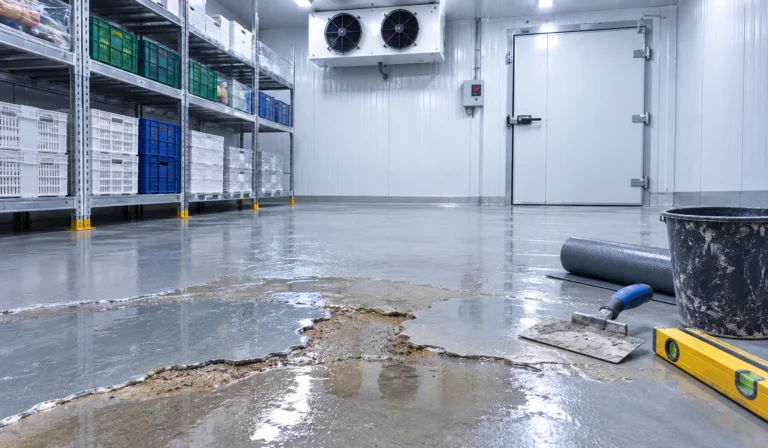
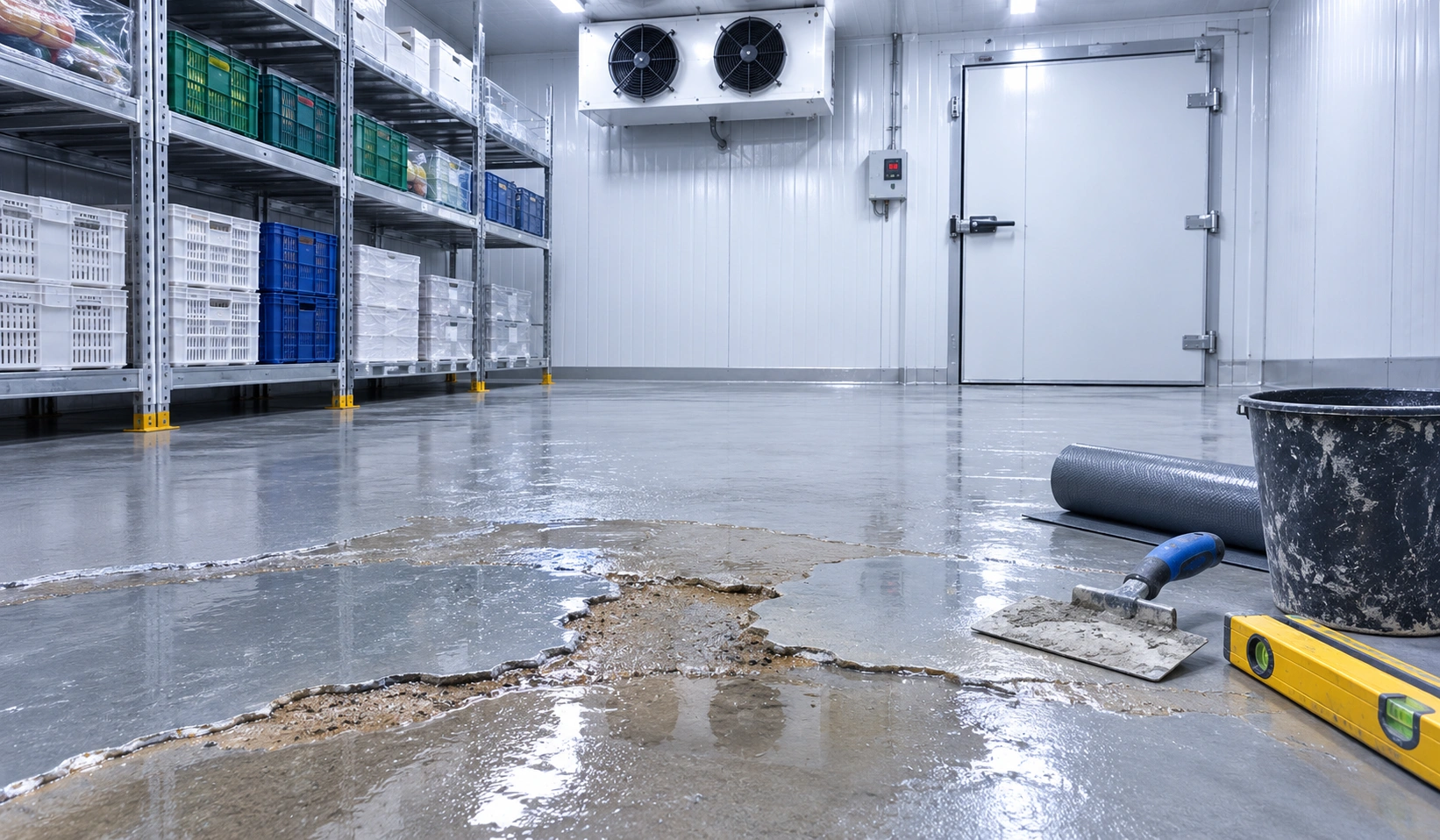
Water Pooling
Standing water should never be ignored.
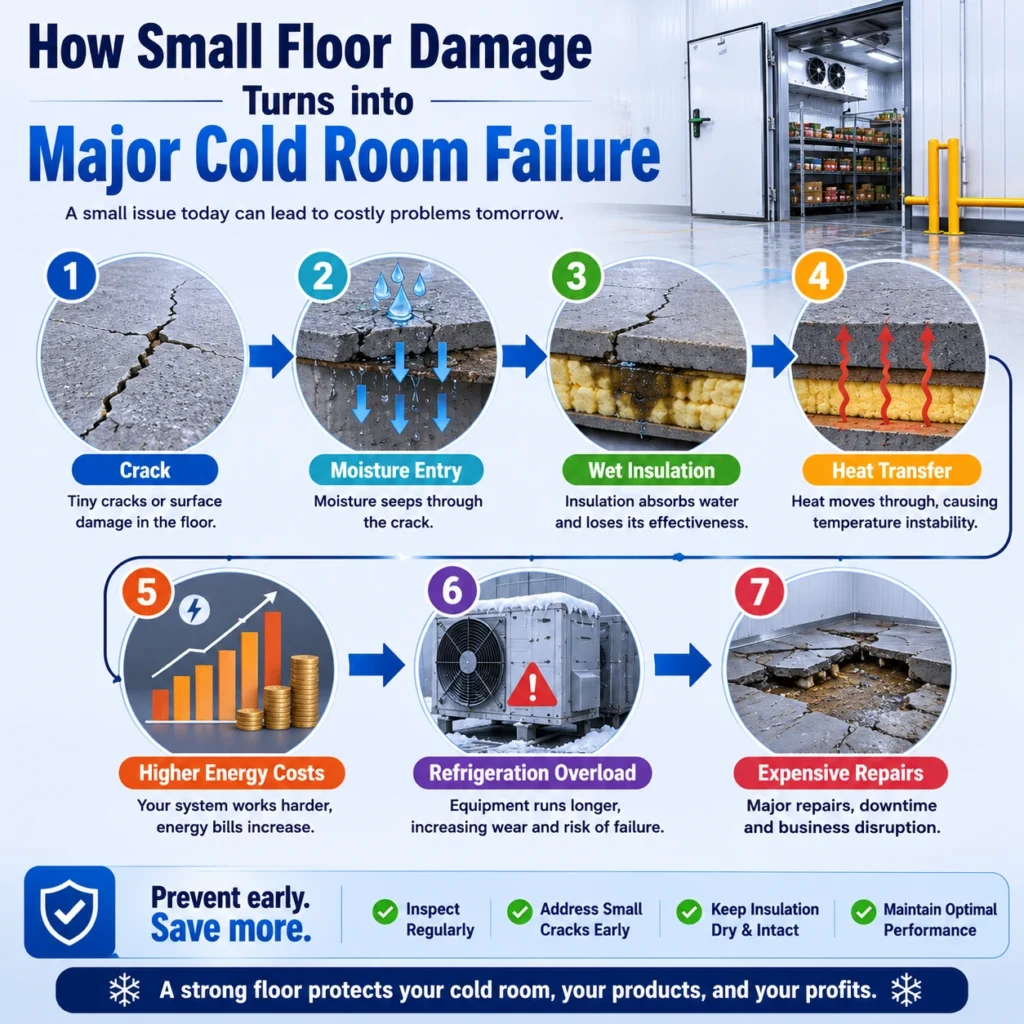
Blocked drains or frozen evaporators can eventually damage flooring and increase slipping hazards.
Inconsistent Temperatures
Products stored in different parts of the cold room should remain within safe temperature ranges.
Warm spots often indicate airflow restrictions or failing evaporator fans.
Want a tailored recommendation or quick quote? Reach out today
Why Preventive Maintenance Supports Food Safety
Temperature control is one of the most important parts of food safety management.
Businesses handling chilled products are expected to monitor temperatures, keep maintenance records and reduce contamination risks through effective refrigeration management.
Well-maintained cold rooms help businesses support HACCP procedures by keeping storage temperatures consistent, reducing bacterial growth risks and providing reliable temperature logging during inspections.
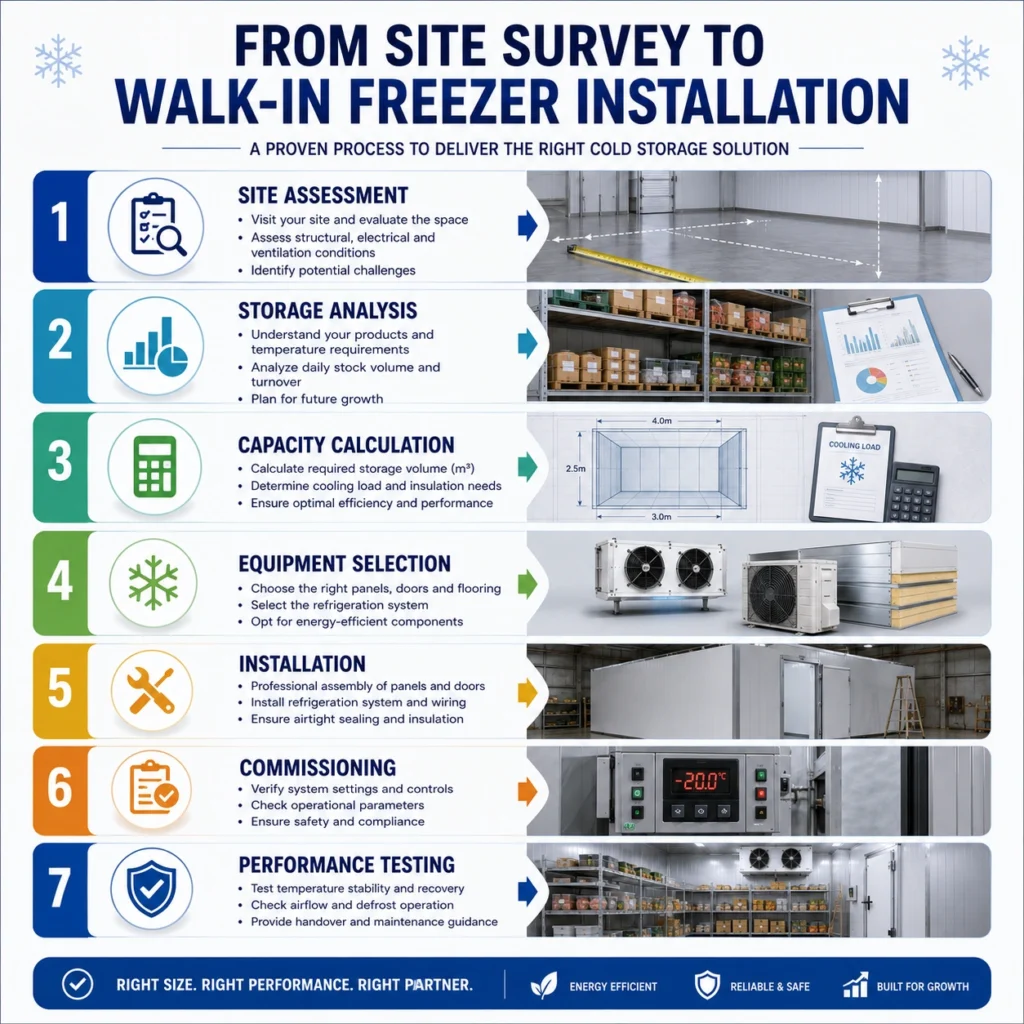
For companies that have invested in cold room installation London, ongoing maintenance protects that investment while ensuring equipment continues performing as designed.
Common Cold Room Maintenance Mistakes Local Businesses Make
Many businesses invest in quality refrigeration equipment but overlook the small maintenance tasks that keep it running efficiently. These mistakes often lead to avoidable repairs, higher energy bills, and unexpected downtime.
Waiting Until Something Breaks
One of the biggest mistakes is treating maintenance as a reaction rather than a routine process.
A compressor, fan motor, or thermostat rarely fails without warning. Small issues such as unusual noises, inconsistent temperatures, or excessive frost often appear weeks before a major breakdown. Addressing these early helps reduce repair costs and protects valuable stock.
Blocking Airflow
Cold rooms need proper air circulation to maintain consistent temperatures.
Businesses sometimes stack products too close to evaporator units or block ventilation spaces. This restricts airflow, creates warm spots, and forces the refrigeration system to work harder.
Staff should always leave enough space around cooling units and avoid overloading shelving.
Ignoring Door Damage
Doors are opened hundreds of times each day in many commercial environments.
If hinges become misaligned or door seals begin to crack, warm air enters the cold room. This increases humidity, causes ice build-up, and reduces cooling efficiency.
A simple door inspection during routine servicing can prevent larger problems later.
Want a tailored recommendation or quick quote? Reach out today
How Maintenance Improves Energy Efficiency
Commercial refrigeration is one of the largest electricity users in many food businesses.
According to the UK’s Carbon Trust, refrigeration can account for up to 50% of electricity consumption in some food retail businesses. Dirty condensers, blocked airflow, and poorly maintained components all increase energy demand.
Routine servicing improves efficiency by:
- Cleaning condenser coils
- Checking refrigerant levels
- Inspecting evaporator performance
- Testing fan motors
- Verifying temperature controls
These relatively simple maintenance tasks help reduce unnecessary compressor operation and improve overall system performance.
When Should You Consider Replacing Instead of Repairing?
Maintenance can significantly extend equipment life, but every refrigeration system eventually reaches the point where replacement becomes more economical.
Signs it may be time to upgrade include:
- Frequent compressor failures
- Rising repair costs each year
- Difficulty maintaining stable temperatures
- Increasing electricity bills
- Obsolete refrigerants
- Limited availability of replacement parts
Older systems may also struggle to meet today’s efficiency standards.
If your business has expanded, your original refrigeration capacity may no longer be sufficient. In these situations, upgrading through a modern cold room installation London project can improve reliability, increase storage capacity, and reduce long-term operating costs.
What to Look for in a Cold Room Maintenance Provider
Choosing the right maintenance provider is just as important as choosing the right refrigeration equipment.
Rather than focusing only on price, businesses should consider technical expertise, response times, and preventative servicing capabilities.
Look for a provider that offers:
- Qualified refrigeration engineers
- Scheduled preventative maintenance plans
- Detailed service reports
- Emergency breakdown support
- Refrigerant leak testing where required
- Electrical and safety inspections
- Genuine replacement parts where applicable
A professional maintenance visit should identify developing issues before they become expensive repairs rather than simply fixing visible faults.
Maintenance Records Help Demonstrate Compliance
For businesses handling food, pharmaceuticals, or temperature-sensitive products, maintenance records provide valuable evidence that refrigeration systems are being properly managed.
Keeping service documentation helps demonstrate:
- Regular equipment inspections
- Temperature control procedures
- Preventive maintenance history
- Corrective actions after faults
- Equipment performance trends
These records can also simplify insurance claims and support internal quality management systems.
Why Maintenance Protects Your Investment
A commercial cold room is a long-term business asset.
Like any critical equipment, it performs best when inspected, cleaned, and serviced regularly.
Preventive maintenance helps businesses:
- Protect valuable stock
- Reduce operating costs
- Improve equipment reliability
- Extend refrigeration system lifespan
- Lower the risk of emergency breakdowns
- Support food safety and compliance
Businesses that schedule maintenance before problems occur generally experience fewer interruptions and lower lifetime ownership costs than those relying solely on emergency repairs.
What's Your Biggest Cold Room Maintenance Challenge?
Has your business experienced unexpected refrigeration failures, rising energy bills, or recurring cold room issues?
Share your experience in the comments, or speak with a qualified refrigeration engineer to identify small maintenance problems before they become expensive emergencies.
Frequently Asked Questions (FAQs)
1. What is cold room maintenance?
Cold room maintenance is the regular inspection, cleaning, testing, and servicing of commercial refrigeration systems to keep them operating safely and efficiently. Routine maintenance helps prevent unexpected breakdowns, extends the lifespan of equipment, reduces energy consumption, and ensures products remain at the correct storage temperature.
2. How often should a commercial cold room be serviced?
Most commercial cold rooms should be serviced every 3 to 6 months, depending on how heavily they are used. Restaurants, supermarkets, catering businesses, and food manufacturers generally benefit from quarterly maintenance, while lower-use facilities may only require servicing twice a year.
3. Why is cold room maintenance important for London businesses?
Regular cold room maintenance London services help businesses minimise costly downtime, reduce energy bills, protect valuable stock, and maintain consistent storage temperatures. Preventive maintenance also helps businesses comply with food safety regulations and avoid emergency repair costs.
4. What is included in a professional cold room maintenance service?
A professional maintenance visit typically includes checking refrigerant levels, inspecting compressors, evaporator and condenser coils, testing temperature controls, examining electrical components, cleaning critical parts, inspecting door seals, and ensuring the drainage system is functioning correctly.
5. What are the warning signs that my cold room needs maintenance?
Some of the most common signs include inconsistent temperatures, excessive ice build-up, unusual noises, water leaks, rising electricity bills, damaged door seals, poor cooling performance, and compressors running continuously. Addressing these issues early can help prevent major system failures.
6. Can regular cold room maintenance reduce energy costs?
Yes. Regular servicing improves refrigeration efficiency by cleaning condenser coils, maintaining proper refrigerant levels, improving airflow, and ensuring all components operate correctly. An efficient cold room consumes less electricity, helping businesses reduce operating costs over time.
7. How long does a commercial cold room typically last?
A well-maintained commercial cold room can typically last between 15 and 25 years. Its lifespan depends on the quality of the equipment, operating conditions, maintenance schedule, and daily usage. Regular servicing helps maximise the return on your investment.
8. Is cold room maintenance necessary for food safety compliance?
Yes. Businesses storing food, beverages, pharmaceuticals, or other temperature-sensitive products should carry out routine maintenance to maintain safe storage temperatures and support compliance with food safety standards and HACCP requirements.
9. Should I repair my cold room or replace it?
Minor issues such as faulty thermostats, worn door seals, blocked drains, or damaged fan motors can usually be repaired. However, if your cold room experiences frequent breakdowns, rising repair costs, poor energy efficiency, or uses outdated refrigerants, investing in a new system may be the more cost-effective solution.
10. Can one company handle both cold room installation and maintenance in London?
Yes. Many commercial refrigeration specialists provide both cold room installation London and ongoing maintenance services. Working with the same provider helps ensure your system is installed correctly, serviced regularly, and maintained for long-term performance and reliability.