Restaurant Cold Rooms Repair in Canterbury: 5 Checks That Can Prevent a Kitchen Crisis
For a busy restaurant, a cold room failure can quickly become much more than an equipment problem. If temperatures rise, food quality, food safety, stock levels and service can all be affected. Knowing when to arrange restaurant cold rooms repair Canterbury businesses can rely on can help prevent a small refrigeration fault from becoming a costly kitchen emergency.
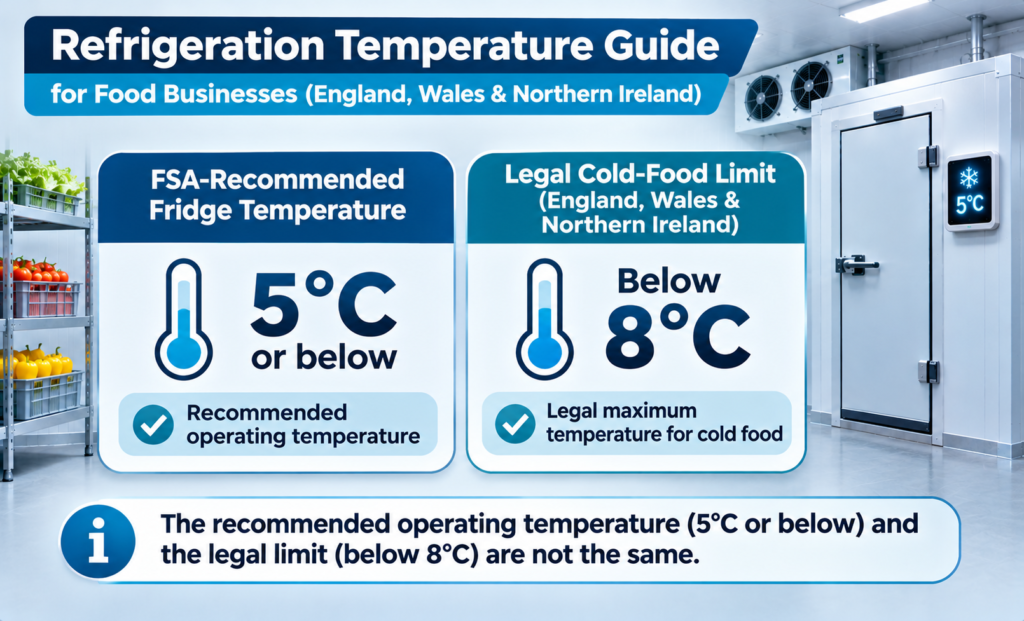
The Food Standards Agency recommends keeping fridges at 5°C or below, while relevant chilled foods in food businesses must generally remain below 8°C. Regular temperature checks therefore form an important part of responsible kitchen management.
Why Cold Room Problems Become Kitchen Emergencies
Restaurant cold rooms work hard. Doors may be opened repeatedly during preparation and service, warm deliveries may enter the room, and refrigeration equipment can operate for long periods.
The Carbon Trust identifies open doors as a major source of heat entering cold rooms and also highlights gaps around panels and service penetrations as potential sources of unwanted warm, moist air.
The good news is that several warning signs can be spotted before a complete breakdown.
Check 1: Is the Temperature Staying Stable?
Do not only look at whether the display shows a cold temperature. Look for unusual fluctuations, slow recovery after the door has been opened, or temperatures that gradually creep upwards during busy periods.
A temperature log can reveal patterns that a single reading cannot. The FSA‘s research into food businesses found inconsistent temperature-checking routines to be one factor associated with incorrect chilled storage temperatures.
If your cold room repeatedly struggles to stay within its normal operating range, the issue may involve the thermostat, sensor, refrigerant circuit, evaporator, condenser or another component. That is a point for professional diagnosis rather than repeatedly turning the temperature control lower.
Check 2: Are the Door Seals and Panels Tight?
A cold room can have perfectly good refrigeration equipment and still struggle if warm air is entering continuously.
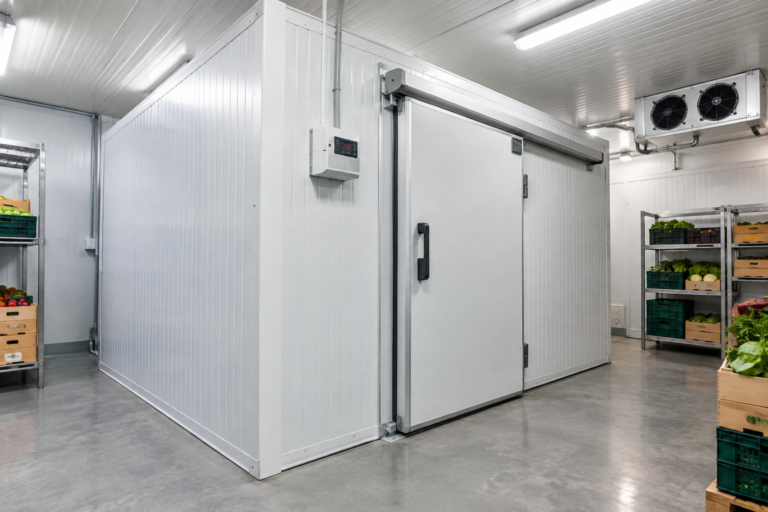
Inspect the door gasket for cracks, flattening, gaps or poor compression. Also look at hinges and door alignment. If the door does not close properly, the refrigeration system has to remove heat that should never have entered the room.
Panel joints deserve attention too. Even small gaps can allow warm, moist air into the cold room and increase the refrigeration load.
A practical check is simple: close the door fully and inspect the seal all around its edge. If you can see daylight, feel a persistent draught or notice condensation around the frame, arrange an inspection.
Check 3: Is the Condenser Clean and Airflow Clear?
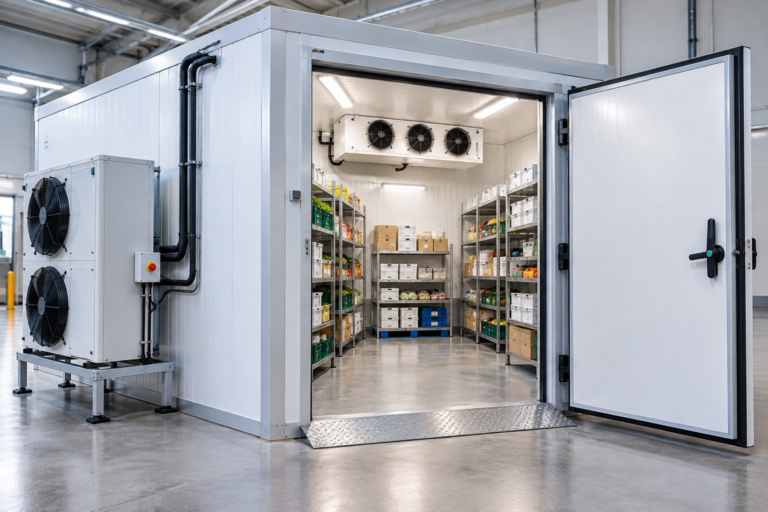
The condenser releases heat removed from the cold room. When it becomes heavily coated with dust, grease or debris, heat rejection can become harder and the refrigeration system may have to work longer.
Restaurant kitchens can be particularly demanding because airborne grease and dust can accumulate around equipment.
Keep the area around the condenser clear and follow the manufacturer’s cleaning recommendations. Do not dismantle refrigeration components or attempt refrigerant work yourself.
Professional restaurant cold rooms maintenance UK programmes should include appropriate inspection of the refrigeration system, airflow and relevant components rather than relying only on basic cleaning.
Check 4: Are Ice, Water or Strange Noises Appearing?
Ice build-up is not simply a cosmetic issue. Excessive ice around an evaporator or door area can indicate problems with airflow, defrosting, moisture ingress or operating conditions.
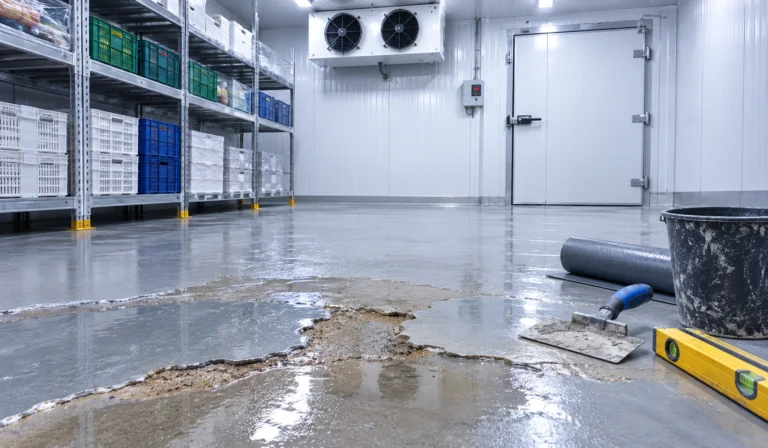
Water around the cold room can also deserve investigation. Blocked drains, condensation and defrost-water problems can create hygiene and operational concerns.
Listen for changes too. Repeated clicking, unusual compressor noise, excessive cycling or a system that appears to run almost continuously can indicate a developing fault.
If several warning signs appear together, arranging restaurant cold rooms repair in Canterbury services promptly may be more sensible than waiting for the system to stop completely.
Check 5: Is Your Maintenance Routine Doing Enough?
Maintenance should be preventative, not something that starts only after a breakdown.
A useful programme should reflect how heavily the cold room is used, its age, manufacturer requirements and the consequences of failure. Temperature performance, doors, seals, condenser condition, evaporator operation, electrical components, controls and other relevant refrigeration components should be assessed as appropriate.
The aim is to identify deterioration before it affects food storage or service.
Coldroomplus states that it provides restaurant cold-room design, installation, maintenance and repair, with F-Gas-certified engineers and Level 3 RACHP-qualified technicians. Its current restaurant refrigeration service covers cold rooms, freezers and other commercial kitchen refrigeration equipment.
What Can You Check Yourself?
Restaurant staff can safely monitor temperatures, keep doors closed when possible, avoid obstructing airflow and report unusual noises, ice or water.
Refrigerant handling, leak checking and work that opens the refrigeration circuit should be left to appropriately qualified professionals. The UK Government states that relevant F-gas work on stationary refrigeration systems requires the correct individual qualifications, while companies servicing equipment containing F-gas for other organisations generally require company certification.
When Should You Call a Refrigeration Engineer?
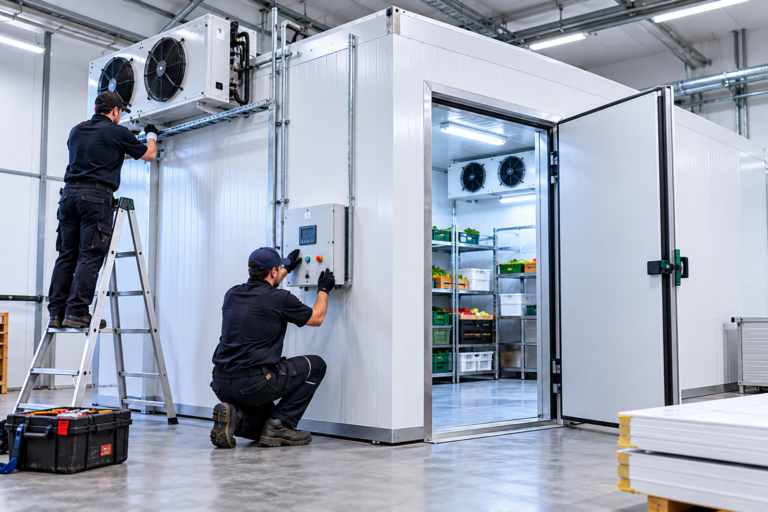
Call for professional help when temperatures remain outside their normal range, food storage is at risk, the compressor runs continuously, refrigerant-related faults are suspected, ice repeatedly returns, or the system stops cooling effectively.
Do not wait for complete failure simply because the cold room is still functioning. Early diagnosis can give a technician more opportunity to identify the underlying fault before it develops into a major breakdown.
For restaurants in Canterbury, a planned approach to restaurant cold rooms repair in Canterbury and ongoing maintenance can help protect stock, reduce disruption and support consistent temperature control.
If your cold room is showing unusual temperatures, ice, water, noise or rising running costs, which of these five checks have you noticed in your kitchen recently?
Frequently Asked Questions
1. How often should a restaurant cold room be serviced?
The appropriate interval depends on the equipment, usage, manufacturer guidance and operating environment. Busy commercial kitchens may need more frequent attention because their refrigeration systems face heavier daily demands.
2. What temperature should a restaurant cold room be?
The FSA recommends refrigerators operate at 5°C or below, while relevant chilled food must generally be kept below 8°C in food businesses covered by the applicable requirements. Always follow food-specific storage instructions and your food safety management procedures.
3. Why is my restaurant cold room not staying cold?
Possible causes include poor door seals, blocked airflow, dirty condenser coils, sensor faults, defrost problems or refrigeration-system faults. A qualified engineer should diagnose the underlying cause rather than simply lowering the thermostat.
4. Can a damaged door seal affect cold-room performance?
Yes. A poor seal allows warm air into the room, increasing the refrigeration load. Regularly checking gasket condition and door alignment can help identify this problem early.
5. Why does ice build up inside a cold room?
Ice can result from moisture entering the room, airflow problems, defrost faults or other refrigeration issues. Repeated ice build-up should be investigated rather than repeatedly removed without finding the cause.
6. Can restaurant staff clean a cold-room condenser?
Basic external cleaning may be possible when permitted by the equipment manufacturer and workplace procedures. Refrigeration components, electrical parts and refrigerant circuits should be handled by appropriately qualified professionals.
7. Does cold-room maintenance reduce energy consumption?
It can help prevent avoidable energy waste by identifying airflow restrictions, heat ingress, inefficient operation and developing equipment faults. The Carbon Trust identifies maintenance and operational measures as opportunities for improving refrigeration efficiency.
8. Do refrigeration engineers need F-Gas qualifications?
Relevant F-gas work on stationary refrigeration equipment requires appropriate qualifications. GOV.UK specifically includes installation, servicing, maintenance, leak checking, refrigerant recovery and decommissioning within activities requiring qualification.
9. What should I do if a cold room suddenly stops working?
Protect food first by following your food safety management procedure and monitoring temperatures. Avoid attempting electrical or refrigerant repairs yourself and arrange qualified professional diagnosis as quickly as possible.
10. Is preventative maintenance better than emergency repair?
Preventative maintenance is designed to identify developing problems before they become major failures. It cannot eliminate every breakdown, but a structured maintenance programme can reduce avoidable disruption and help keep refrigeration equipment operating reliably.