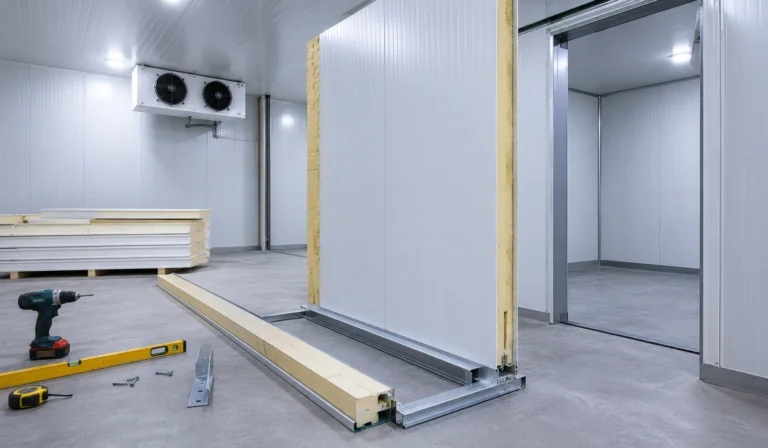
Cold Room Panel Types: What’s Best for Your Business?
Choosing the right cold room panels is one of the most important decisions when building or upgrading a cold storage facility. The panels you select affect temperature control, energy bills, food safety, durability, and long-term maintenance costs. While many businesses focus on refrigeration equipment, the insulation panels surrounding the room play an equally important role in keeping products fresh and operating costs under control.
Whether you’re planning a new cold room for a restaurant, food manufacturer, pharmaceutical warehouse, florist, or distribution centre, understanding the different panel options can help you make a smarter investment. This guide explains the most common cold room panel types, how they compare, and which option works best for different industries.
Why Cold Room Panels Matter More Than Most Businesses Think
A cold room is only as efficient as its insulation. Even the most advanced refrigeration system will struggle if the walls, ceiling, or floor allow heat to enter.
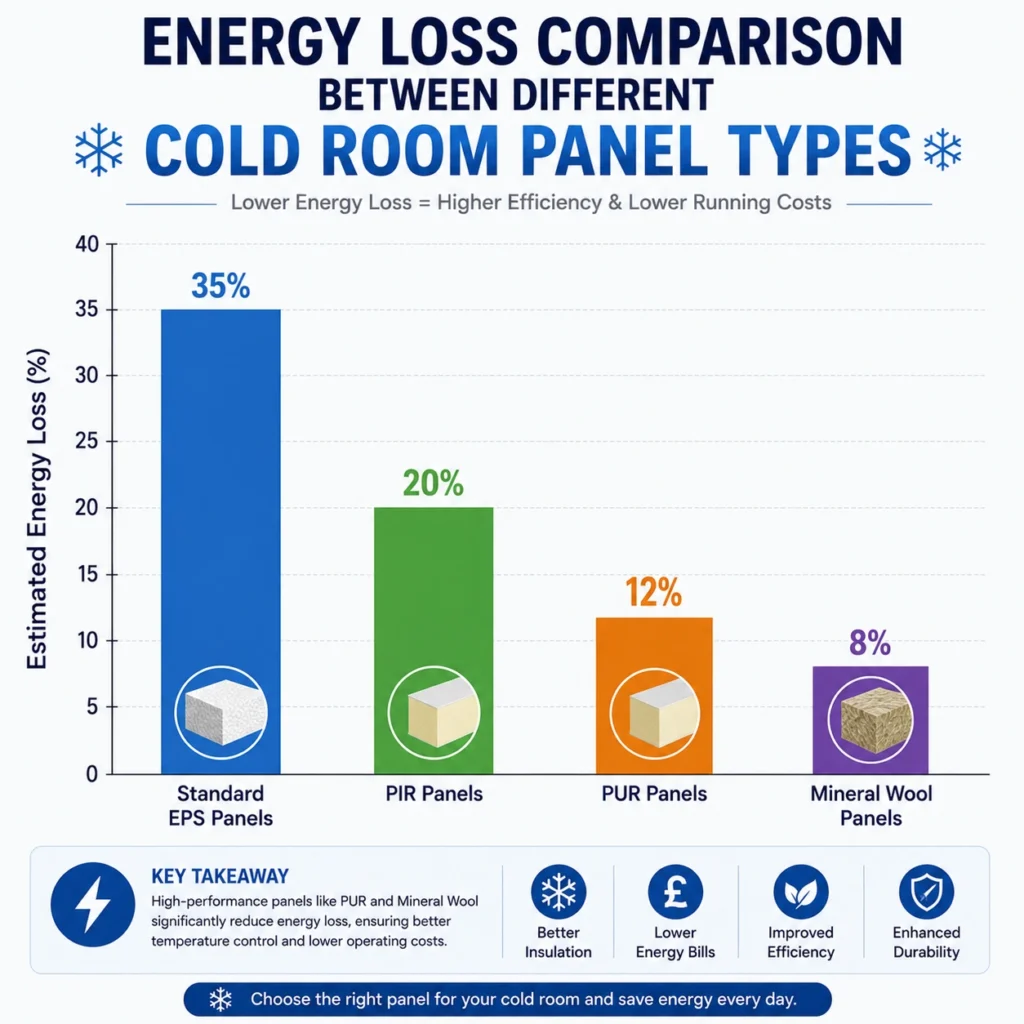
According to the International Energy Agency (IEA), refrigeration systems account for a significant share of commercial building electricity use, making insulation quality one of the easiest ways to improve energy efficiency. Better-insulated cold rooms reduce compressor workload, maintain stable temperatures, and lower electricity consumption.
Modern insulated panels are designed to:
- Maintain consistent temperatures
- Reduce thermal bridging
- Improve food safety
- Lower operating costs
- Increase the lifespan of refrigeration equipment
Understanding How Cold Room Panels Are Built
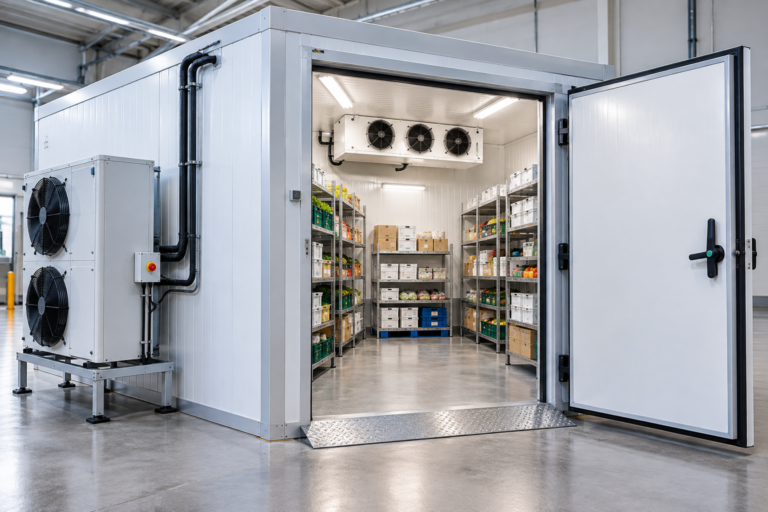
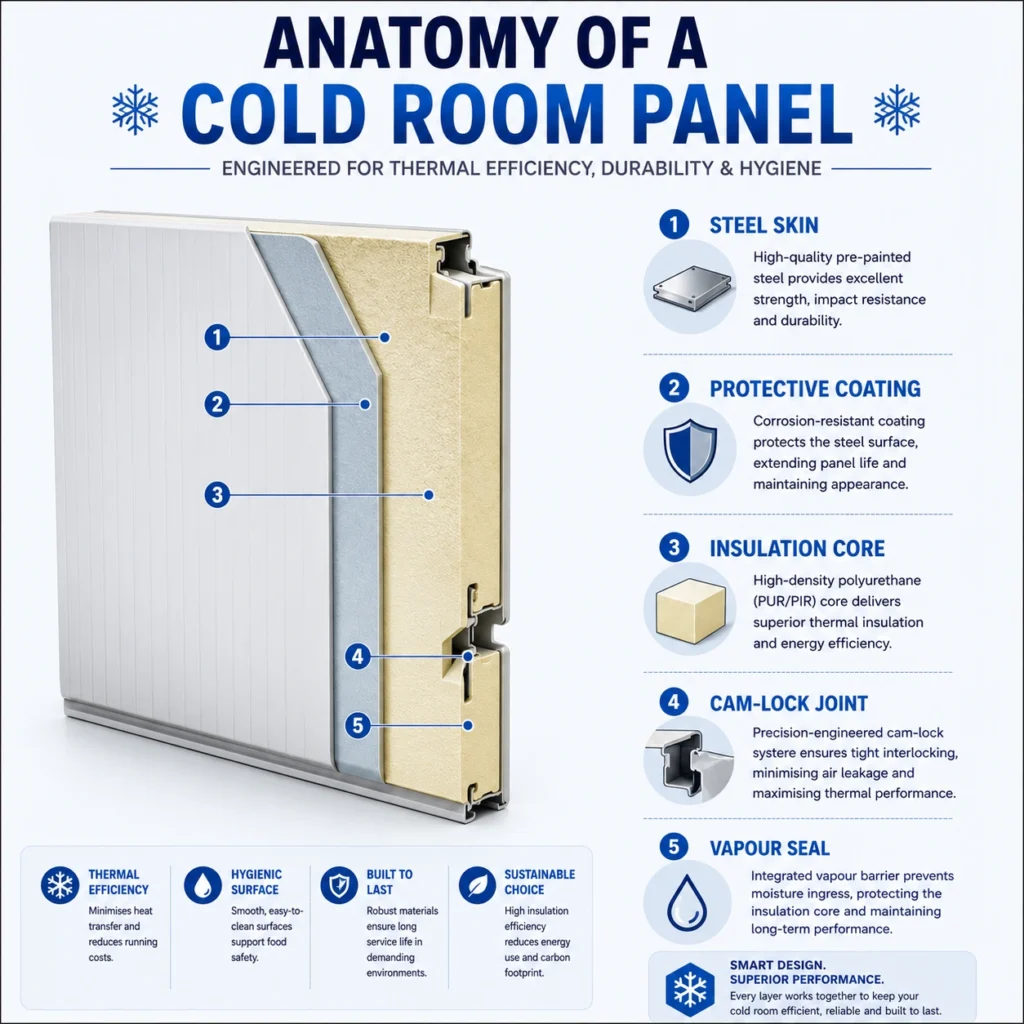
Most cold room panels use a sandwich construction.
They consist of:
- Steel outer sheets
- High-performance insulation core
- Interlocking cam-lock joints
- Hygienic protective coatings
The insulation core determines most of the panel’s performance.
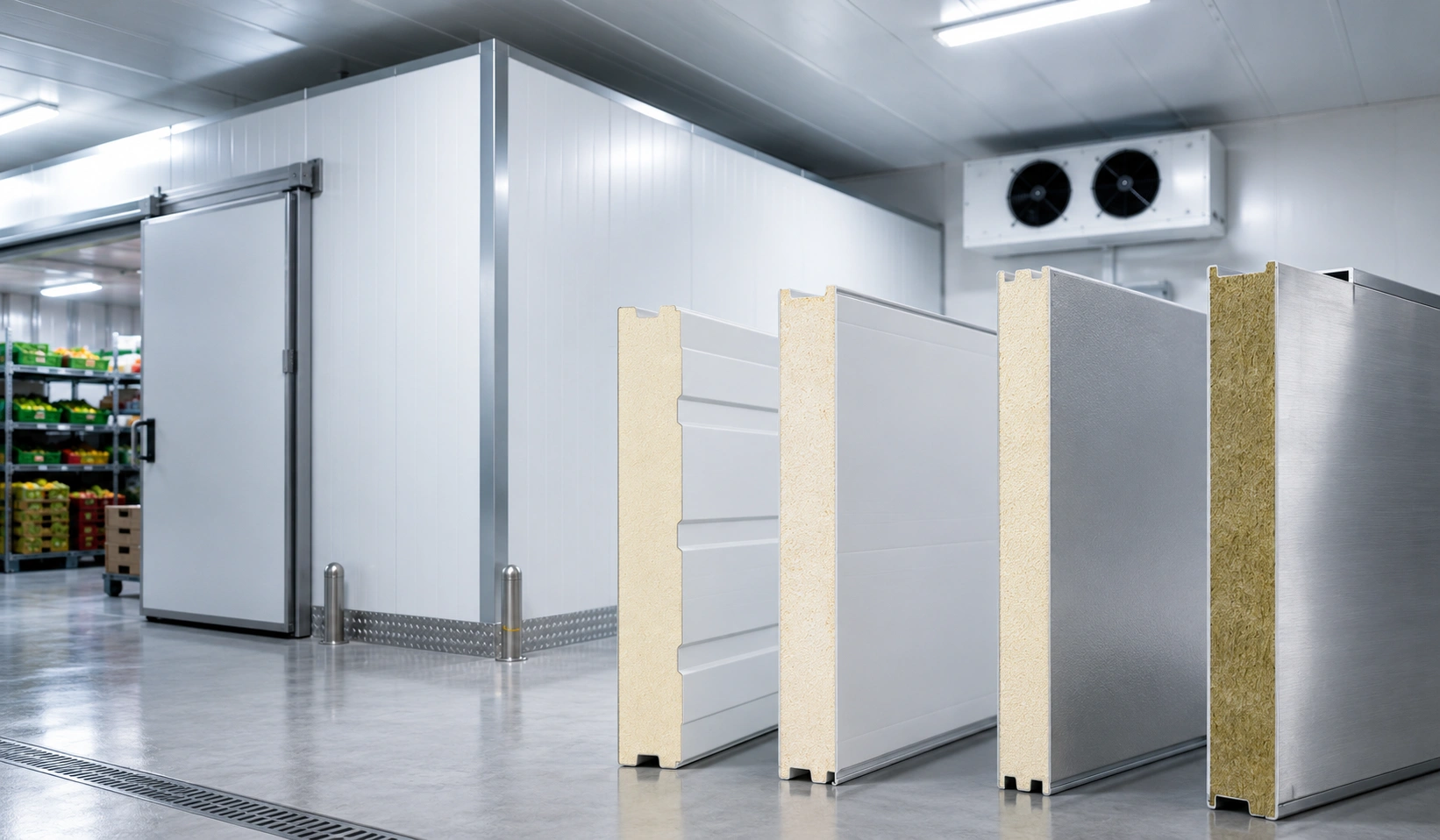
The Main Types of Cold Room Panels
PIR Cold Room Panels
Polyisocyanurate (PIR) panels are now one of the most popular choices across the UK commercial refrigeration industry.
They offer excellent thermal performance, strong fire resistance, and high structural strength.
Advantages include:
- Better insulation
- Lower heat transfer
- Reduced energy consumption
- Excellent moisture resistance
- Long lifespan
Many supermarkets, food manufacturers, pharmaceutical facilities, and commercial kitchens choose PIR panels because they help reduce operating costs over many years.
PUR Cold Room Panels
Polyurethane (PUR) panels have been used for decades.
They provide very good insulation and remain suitable for many refrigerated storage applications.
Although slightly less fire-resistant than PIR, they continue to perform well where strict fire ratings are not the primary concern.
EPS Cold Room Panels
Expanded Polystyrene (EPS) panels are generally the lowest-cost option.
They are suitable for:
- Mild temperature storage
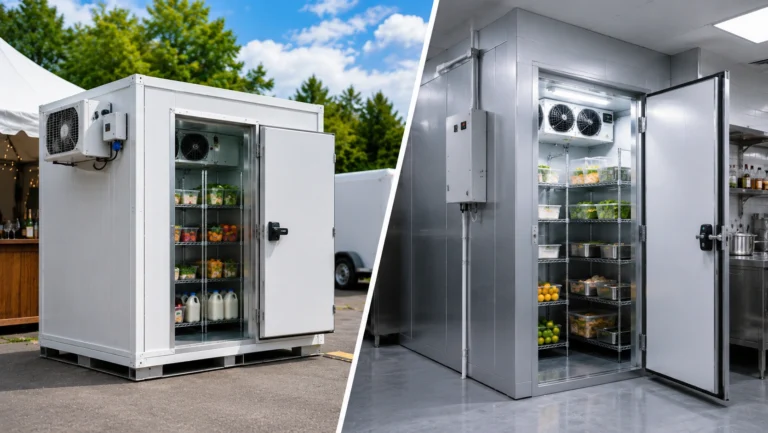
- Temporary cold rooms
- Budget-conscious projects
However, EPS panels have lower insulation performance than PIR or PUR, meaning refrigeration systems often work harder to maintain temperatures.
Mineral Wool Panels
Mineral wool panels are chosen mainly where fire protection is a priority.
Although they offer excellent fire resistance, they provide lower thermal insulation compared with PIR panels.
These panels are commonly used alongside fire-rated building partitions rather than standard commercial cold storage.
| Feature | PIR Panels | PUR Panels | EPS Panels | Mineral Wool Panels |
|---|---|---|---|---|
| Thermal Performance | Excellent | Very Good | Moderate | Moderate |
| Fire Resistance | Excellent | Good | Moderate | Excellent |
| Moisture Resistance | Excellent | Very Good | Moderate | Good |
| Energy Efficiency | Excellent | Very Good | Lower | Moderate |
| Initial Cost | Medium | Medium | Low | Higher |
| Typical Lifespan | 25–40 Years | 20–30 Years | 15–20 Years | 25+ Years |
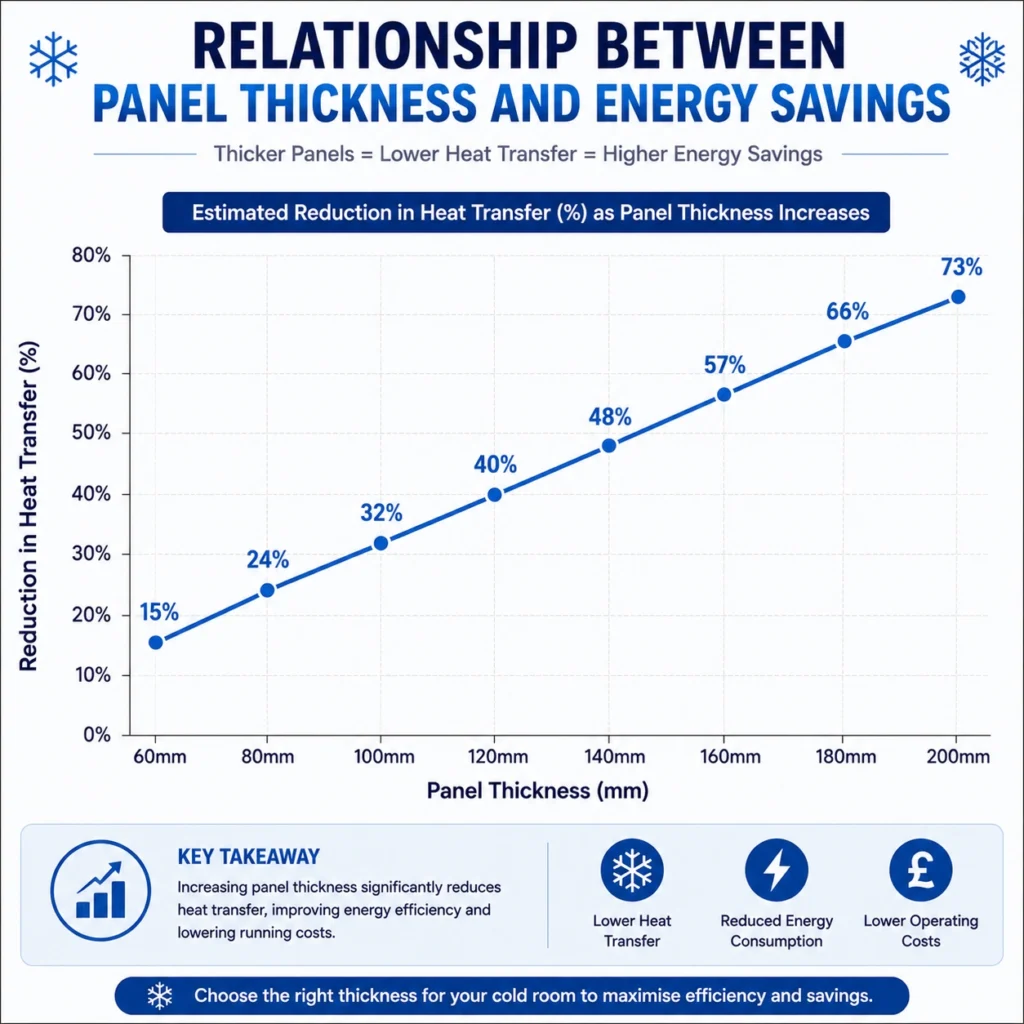
Which Panel Thickness Should You Choose?
Panel thickness depends on the storage temperature.
Typical recommendations include:
| Cold Room Temperature | Typical Panel Thickness |
|---|---|
| +2°C to +8°C | 80 mm |
| 0°C to +5°C | 100 mm |
| -18°C Freezer | 120–150 mm |
| Blast Freezer | 150–200 mm |
Choosing thicker panels often increases installation costs slightly but can significantly reduce electricity bills over the lifetime of the cold room.
Which Businesses Benefit Most From Each Panel Type?
Different industries have different storage requirements.
Restaurants and Commercial Kitchens
Restaurants usually require chilled storage between 2°C and 5°C.
PIR panels offer the ideal balance of insulation and hygiene while keeping operating costs low.
Food Manufacturers
Food processing facilities often operate continuously.
Reliable insulation helps maintain food safety while reducing compressor cycling.
PIR panels remain the preferred solution for many food production facilities because they offer long-term efficiency.
Pharmaceutical Storage
Medicines and vaccines often require extremely stable temperatures.
High-quality insulated panels minimise temperature fluctuations, helping businesses comply with storage regulations.
Florists
Flower storage requires precise humidity and temperature control.
Well-insulated panels reduce condensation while keeping flowers fresher for longer.
Distribution Warehouses
Large cold stores benefit from thicker panels that reduce energy losses across large wall areas.
Although the initial investment is higher, energy savings become substantial over years of operation.
Cold Room Panel Cost Savings Calculator
Compare baseline standard insulation against high-performance premium panels to see your operational savings, carbon reduction, and exact payback period.
How Good Insulation Reduces Energy Costs
Heat naturally moves from warmer areas to colder spaces.
Poor insulation allows heat into the cold room, forcing refrigeration equipment to work harder.
According to the Carbon Trust, improving insulation remains one of the most cost-effective ways for businesses to reduce energy consumption.
Well-insulated cold rooms offer:
- Lower compressor running hours
- Reduced electricity bills
- Longer equipment life
- Improved temperature stability
- Lower maintenance costs
Want a tailored recommendation or quick quote? Reach out today
What Makes a High-Quality Cold Room Panel?
Not every insulated panel performs equally well.
When comparing suppliers, look for:
- High insulation value
- Strong cam-lock joints
- Hygienic food-safe coating
- Vapour-tight construction
- Corrosion-resistant steel finish
- Long manufacturer warranty
- Compliance with UK building standards
Working with an experienced cold room panels supplier Leeds businesses trust can also ensure correct specification for your industry and operating conditions.
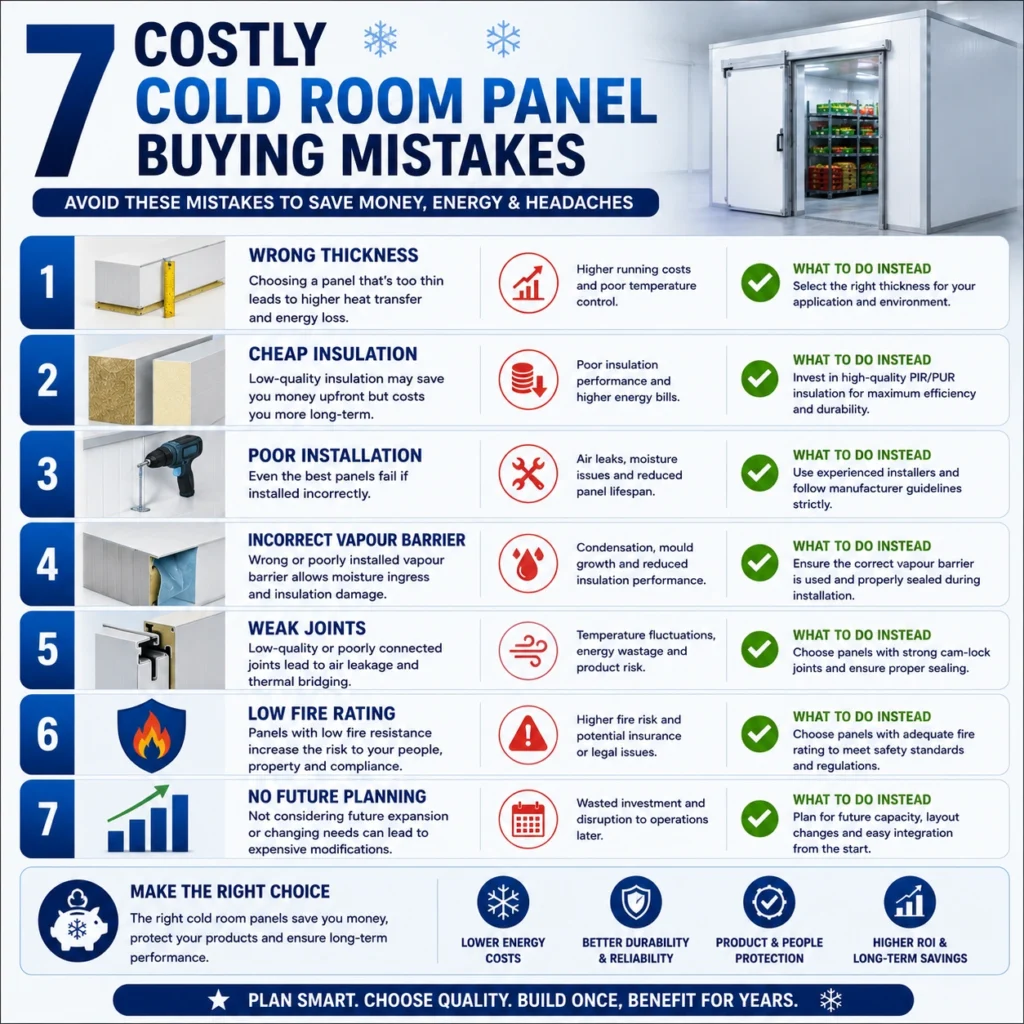
Common Mistakes When Choosing Cold Room Panels
Many businesses focus only on the purchase price.
Instead, consider lifetime ownership costs.
Common mistakes include:
- Choosing panels that are too thin
- Ignoring fire performance
- Selecting the wrong insulation material
- Poor joint sealing
- Buying from inexperienced suppliers
- Forgetting future expansion needs
Correct specification today can prevent thousands of pounds in unnecessary energy costs later.
Want a tailored recommendation or quick quote? Reach out today
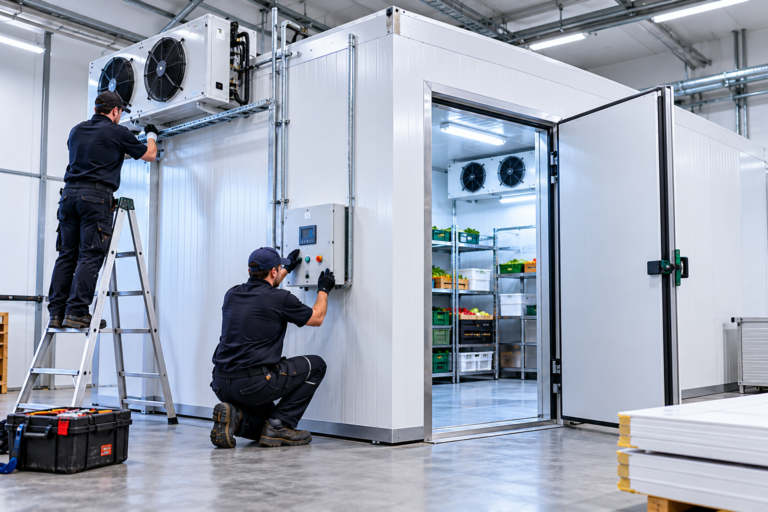
Why Professional Installation Matters
Even premium insulated panels can perform poorly if installed incorrectly.
Proper installation ensures:
- Airtight joints
- Correct vapour sealing
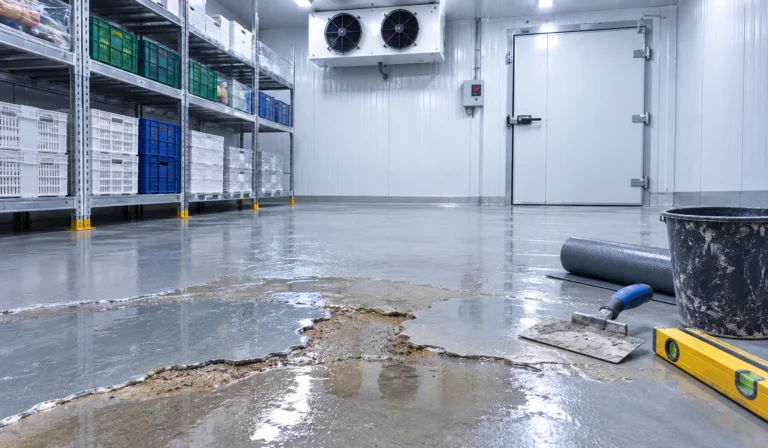
- Level flooring
- Reduced thermal bridges
- Maximum insulation performance
Professional installers also help ensure compliance with food hygiene regulations and building requirements.
The best panel isn’t always the cheapest one.
Businesses should consider insulation performance, durability, operating costs, hygiene requirements, fire safety, and future expansion before making a decision. For many commercial applications, PIR panels offer an excellent combination of energy efficiency and long-term value, but every project has unique requirements.
If you’re comparing options or planning a new installation, which matters most to your business—lower upfront costs or lower energy bills over the next 20 years? Share your thoughts or speak with the Coldroomplus team to discuss the right solution for your facility.
Frequently Asked Questions (FAQs)
1. What are cold room panels?
Cold room panels are insulated sandwich panels used to build the walls, ceilings, and sometimes floors of commercial cold rooms and freezer rooms. They help maintain stable temperatures by reducing heat transfer, improving energy efficiency, and protecting stored products. Most modern cold room panels have steel outer layers with a high-performance insulation core such as PIR or PUR.
2. Which type of cold room panel is best?
For most commercial applications, PIR (Polyisocyanurate) cold room panels are considered the best choice. They offer excellent thermal insulation, improved fire performance, moisture resistance, and long-term energy savings. The right panel, however, depends on your storage temperature, industry requirements, and budget.
3. What thickness should cold room panels be?
The ideal panel thickness depends on the operating temperature:
- 80mm for chilled rooms (+2°C to +8°C)
- 100mm for cold storage around 0°C
- 120–150mm for freezer rooms (-18°C)
- 150–200mm for blast freezers
A professional assessment ensures the correct thickness for maximum efficiency.
4. How long do cold room panels last?
High-quality cold room panels typically last between 25 and 40 years when properly installed and maintained. Their lifespan depends on environmental conditions, usage, and regular maintenance. Choosing durable materials and professional installation helps maximise their service life.
5. Are PIR panels better than PUR panels?
Yes. PIR panels generally provide better fire resistance and slightly higher thermal performance than PUR panels. Both are excellent insulation materials, but PIR panels have become the preferred option for many commercial refrigeration and cold storage projects because they deliver improved energy efficiency and safety.
6. Can damaged cold room panels be repaired?
Minor dents, scratches, or seal damage can often be repaired. However, panels with significant structural damage, water ingress, or insulation failure may need replacement to maintain temperature control and energy efficiency. A professional inspection can determine the most cost-effective solution.
7. How do cold room panels improve energy efficiency?
Cold room panels reduce heat transfer into refrigerated spaces, allowing refrigeration equipment to work less frequently. This lowers electricity consumption, improves temperature stability, reduces compressor wear, and helps businesses save on long-term operating costs.
8. How much do commercial cold room panels cost in the UK?
The cost of commercial cold room panels varies depending on insulation type, panel thickness, room size, finishes, and installation requirements. While thicker, higher-quality panels may cost more initially, they often deliver greater energy savings and lower maintenance costs over their lifetime. Requesting a site survey is the best way to receive an accurate quotation.
9. How do I choose the right cold room panels supplier in Leeds?
When choosing a cold room panels supplier Leeds, look for experience, certified installers, high-quality insulation materials, reliable warranties, after-sales support, and proven commercial refrigeration expertise. A reputable supplier will recommend panels based on your industry, storage temperature, and long-term operating costs rather than simply offering the lowest price.
10. Which businesses benefit most from insulated cold room panels?
Insulated cold room panels are suitable for a wide range of industries, including restaurants, supermarkets, food manufacturers, pharmaceutical companies, florists, hotels, hospitals, catering businesses, and cold storage warehouses. They help maintain product quality, comply with food safety regulations, and reduce energy costs.