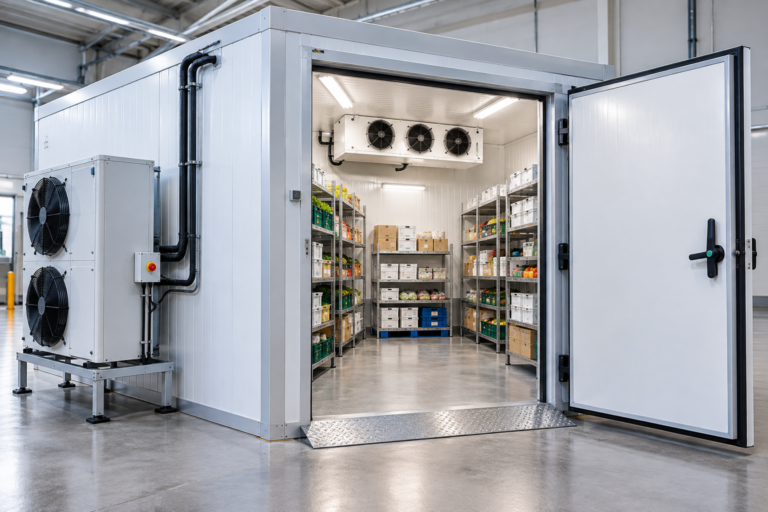
Cold Room Installation in Dewsbury: Fast, Local and F-Gas Certified Guide
If you run a food business in Dewsbury, you know how much depends on keeping things cold. Fresh meat, dairy, fruit and frozen goods all need steady temperatures, day and night.
That is why choosing the right team for cold room installation in Dewsbury wide matters so much.
A good cold room keeps your stock safe, your bills low and your business legal.
This guide explains everything in plain words. You will learn why cold storage matters, what F-Gas means, how installation works, what a cold room can cost and how to choose reliable cold room engineers Dewsbury businesses can trust.
1. Why Dewsbury Businesses Need a Reliable Cold Room
Dewsbury has a proud food history. Its famous market, one of the largest open markets in Yorkshire, has sold fresh meat, fish and pies for generations.
Today, Dewsbury and the wider Kirklees area are full of butchers, bakers, cafes, takeaways, caterers and food producers.
All rely on safe cold storage.
The law is clear.
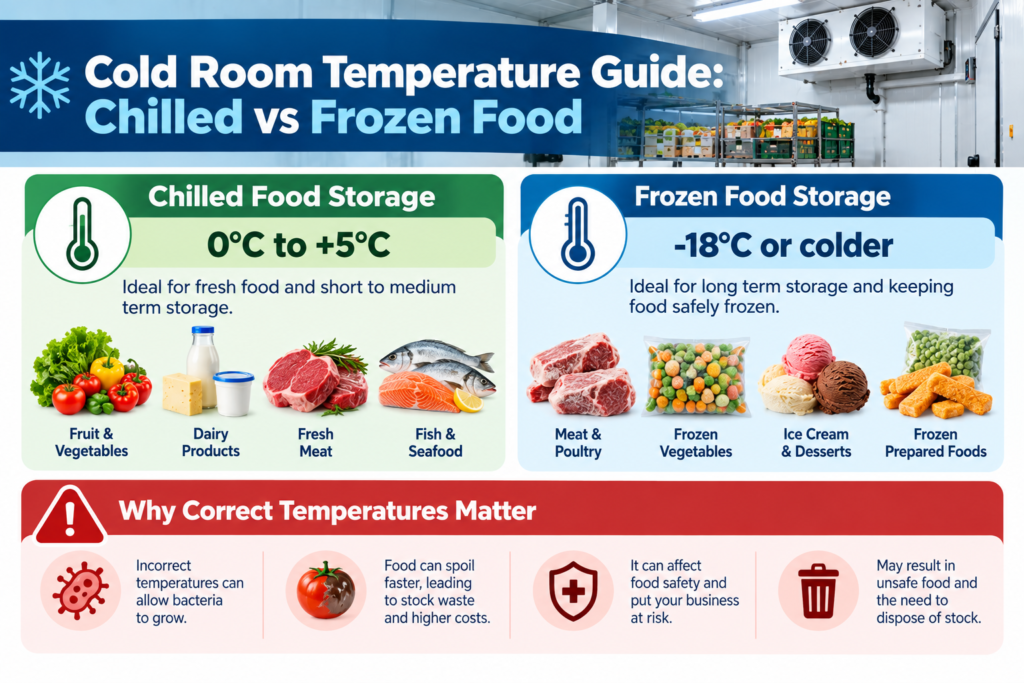
The Food Standards Agency says chilled food must be kept at 0°C to +5°C, while frozen food should be kept at -18°C or colder.
If your storage fails an inspection, you could face fines, lost stock or even closure.
A proper cold room is not a luxury. It can be the heart of your food business.
Why Temperature Control Matters
Food that is stored at the wrong temperature can spoil quickly.
This can lead to:
- Wasted stock
- Higher business costs
- Food safety problems
- Customer complaints
- Potential enforcement action
A properly designed cold room gives you better control over temperature and storage.
It can also make it easier to organise stock and monitor conditions.
For busy food businesses, reliable refrigeration is therefore an important part of daily operations.
2. What Is F-Gas and Why It Matters
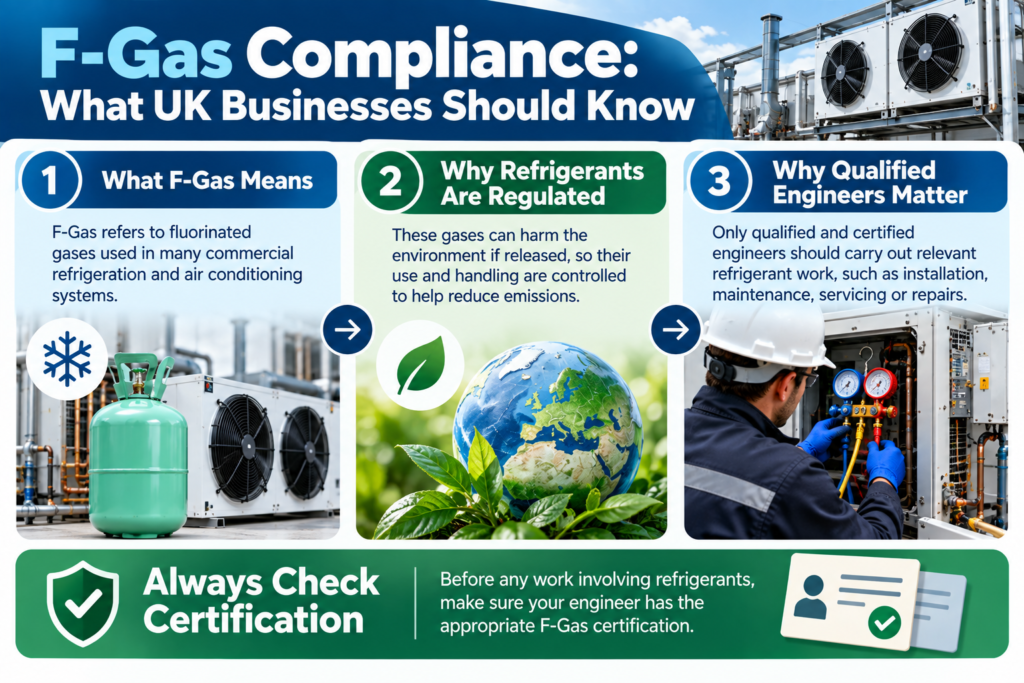
F-Gas means fluorinated greenhouse gas.
These gases can be used inside refrigeration and air conditioning systems to help them cool.
The problem is that some refrigerants can have a high global warming impact.
Because of this, the UK has strict rules governing certain refrigerants and the people who work with them.
Since 1 January 2025, new rules have applied in Great Britain.
For example, new single-split air conditioning systems under 3kg of refrigerant cannot use gases with a global warming potential, or GWP, of 750 or more, such as R-410A.
The government is also reviewing wider changes, so businesses should expect refrigerant requirements to become increasingly important.
Why F-Gas Certification Matters
Here is the simple truth.
Where F-Gas certification is required, only appropriately certified engineers can legally carry out relevant refrigerant work.
If someone without the correct certification works on your refrigeration system, you could face compliance problems.
It may also create issues with warranties or insurance.
Before work begins, ask your contractor to provide proof of the appropriate F-Gas certification.
A professional installer should be comfortable providing this information.
3. The Installation Process Step by Step
A professional cold room installation Dewsbury project should follow a clear process.
Knowing the steps can help you plan your project and avoid unexpected problems.
Step 1: Site Survey
The first stage is the site survey.
An engineer visits your premises, measures the available space, checks your power supply and asks what you need to store.
They may also consider:
- Access
- Door location
- Ceiling height
- Insulation requirements
- Expected usage
- Required temperature
- Available electrical supply
Good cold room engineers Dewsbury businesses recommend should never skip this step.
Every building is different, and the cold room should be designed around the actual premises.
Step 2: Design
The next stage is the design.
The engineer selects suitable panels, cooling equipment and door sizes based on your requirements.
Chiller rooms and freezer rooms have different insulation and cooling needs.
A busy commercial kitchen may also benefit from features such as a fast-closing door to reduce the amount of warm air entering the room.
Step 3: Build
Once the design is agreed, installation begins.
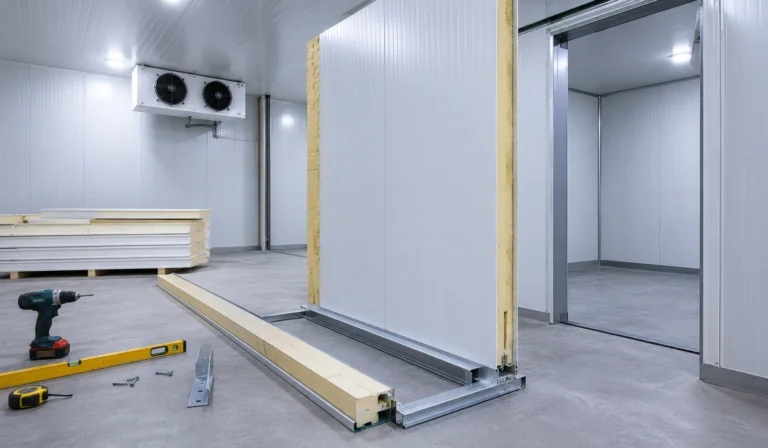
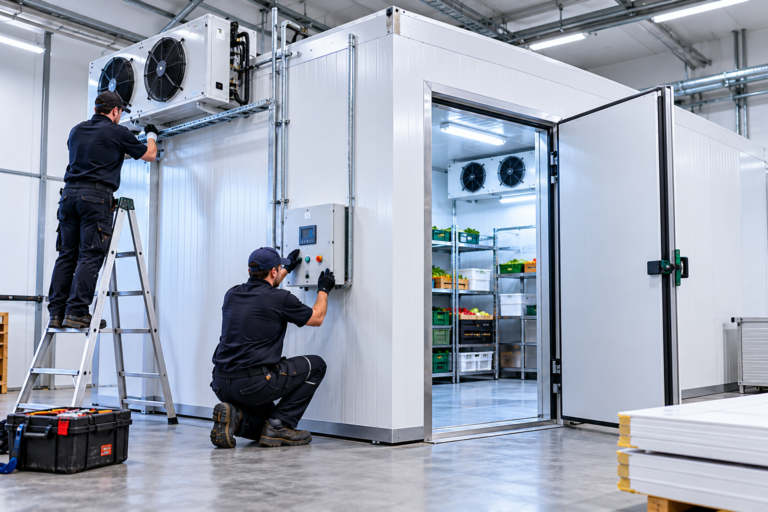
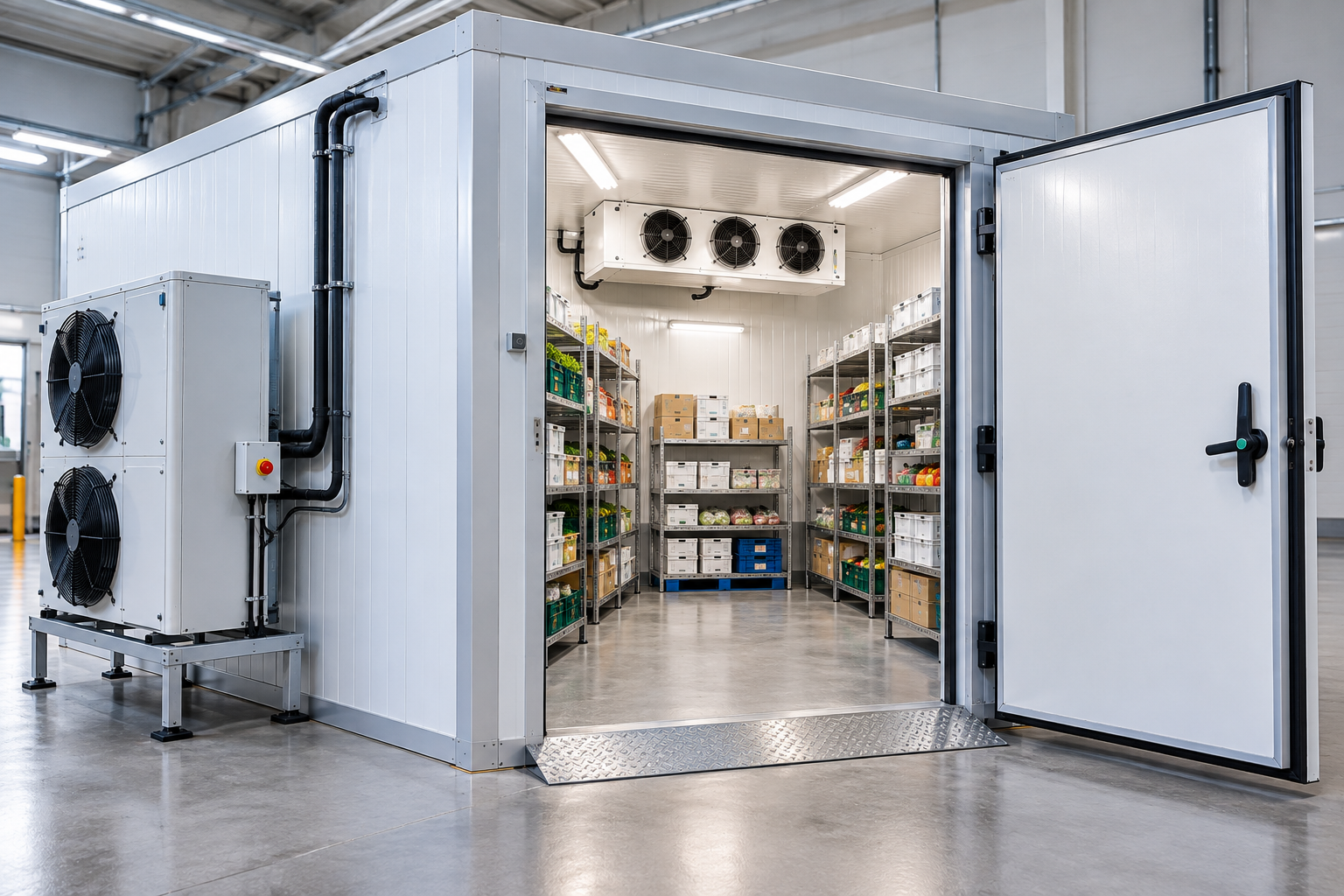
Insulated panels are assembled to create the room.
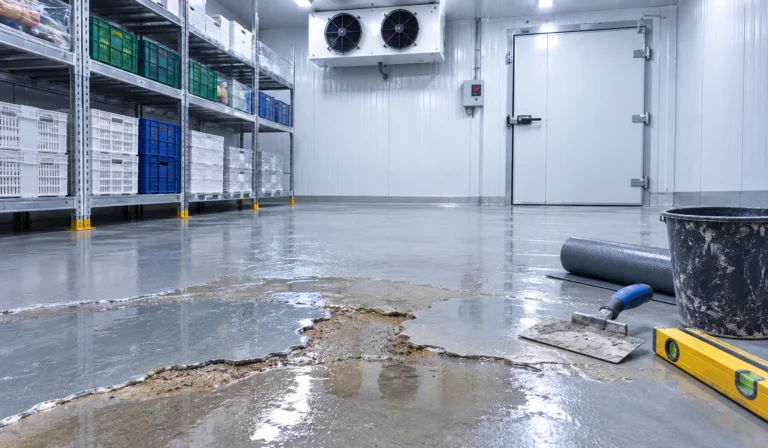
The floor is sealed, the refrigeration equipment is installed and the required electrical connections are completed.
Most small to medium cold rooms can take around one to three days to install.
Larger or more complex projects may take longer.
Step 4: Testing and Handover
After installation, the engineer should test the system.
They check that:
- The room reaches the required temperature
- The cooling system operates correctly
- Controls work properly
- The room maintains temperature
- Relevant safety checks are completed
The engineer should also explain how to use the controls.
You should receive paperwork covering areas such as the warranty, refrigerant information and service schedule.

4. How Much Does a Cold Room Cost?
Cold room prices vary depending on size, specification, insulation, refrigeration equipment and installation requirements.
Based on the supplied 2025 UK pricing guide, a small entry-level cold room measuring around 1.5m × 1.5m can typically cost between £3,000 and £6,000.
A mid-size room of around 2.5m × 3.5m can fall between £6,000 and £10,000.
Large or custom-built cold rooms can range from £10,000 to £25,000 or more.
| Cold Room Type | Approximate Cost |
|---|---|
| Small entry-level room | £3,000–£6,000 |
| Mid-size room | £6,000–£10,000 |
| Large/custom room | £10,000–£25,000+ |
Frequently Asked Questions
1. How long does a cold room installation in Dewsbury take?
Most small to medium cold rooms take one to three days to install. Larger or custom projects may take a week. Your installer should give you a clear timeline after the site survey.
2. Do I really need an F-Gas certified engineer?
Yes, where the work falls under F-Gas requirements, the person carrying out the relevant refrigerant work must have the appropriate certification.
Using an uncertified worker can put your business at risk of compliance problems and may also affect insurance or warranty arrangements.
3. What temperature should my cold room be?
The Food Standards Agency advises 0°C to +5°C for chilled food and -18°C or colder for frozen food.
Your engineer can help determine the correct operating temperature for the products you store.
4. How much does a cold room cost to run each month?
Many businesses may spend around £30 to £120 per month on electricity, depending on room size, insulation quality, equipment and usage.
5. Can a cold room be installed outside?
Yes.
Many cold rooms can be installed outdoors with suitable weather protection.
A professional site survey can confirm whether the location is suitable and what additional protection may be required.
6. What warranty should I expect?
A one-year warranty is common, while some companies offer extended warranty options.
Always ask for the warranty terms in writing before work begins.
7. How often does a cold room need servicing?
At least once a year is a sensible starting point.
Some systems may also have specific leak-check requirements depending on their refrigerant charge and applicable regulations.
Regular servicing can help identify problems before they lead to a major breakdown.
8. What is the difference between a chiller room and a freezer room?
A chiller room normally keeps goods between 0°C and +5°C, making it suitable for many fresh food products.
A freezer room normally maintains temperatures of -18°C or colder for frozen goods.
Freezer rooms generally require stronger refrigeration and more substantial insulation.
9. Will a new cold room save me money?
It can.
Modern cold rooms can use improved insulation, efficient refrigeration equipment and LED lighting.
Compared with an old, inefficient system, these improvements may reduce energy consumption.
The actual savings depend on the equipment being replaced, usage and operating conditions.
10. Do you offer emergency repairs near Dewsbury?
Coldroomplus provides emergency repairs and ongoing support across Dewsbury and the surrounding area, with UK-wide coverage for larger clients.
Response times depend on the applicable service agreement.