Cold Room Installation in Birmingham: Fast, Local and F-Gas Certified
If you run a restaurant, shop, pharmacy or food business in Birmingham, you already know how important cold storage is.
One warm fridge can spoil hundreds of pounds of stock in a single night. That is why so many local businesses are searching for cold room installation Birmingham services they can trust.
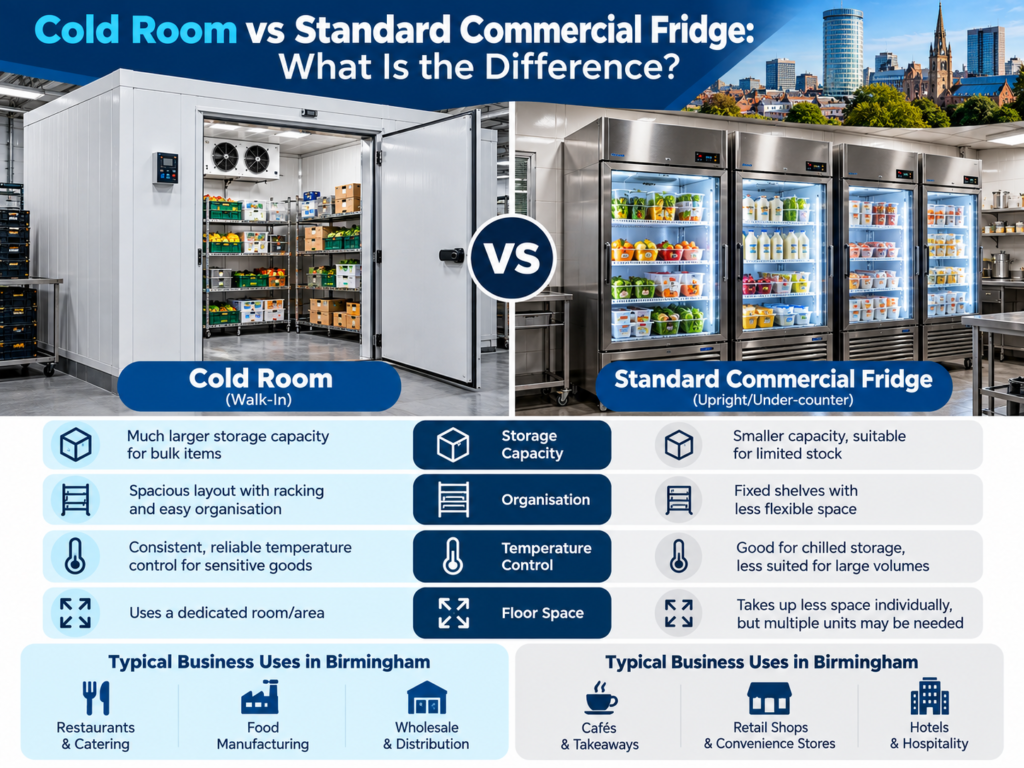
A cold room gives you far more space than a normal fridge. It keeps food, drinks and medicines at the exact temperature you need. It can also save energy because one large cold room may cost less to run than several small fridges.
But here is the problem.
Not every company that installs cold rooms does the job properly. Some cut corners. Some use cheap parts. And some send workers who are not legally allowed to handle the gases inside the cooling system.
This guide will help you understand what you need to know before you buy. We will cover costs, F-Gas rules, installation steps, common mistakes and how to find the right team for the job.
By the end, you will know what to look for and what questions to ask.
What Is a Cold Room and Why Does Your Business Need One?
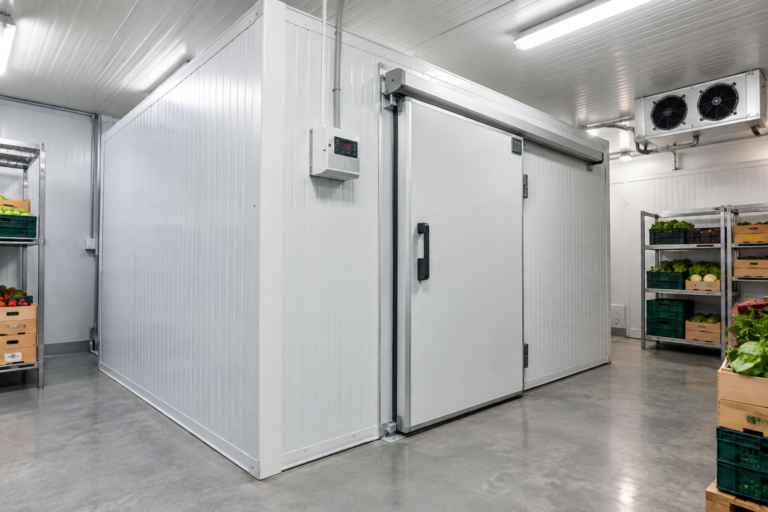
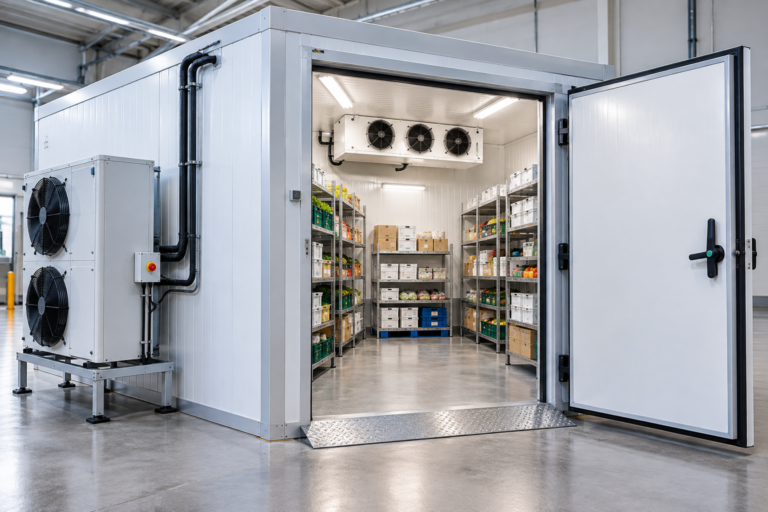
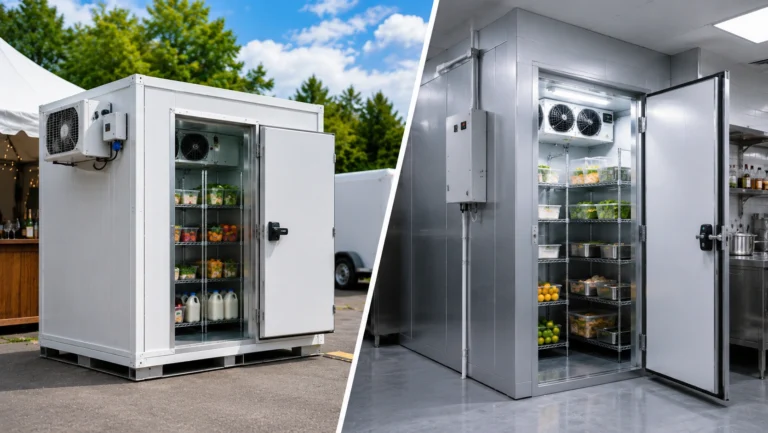
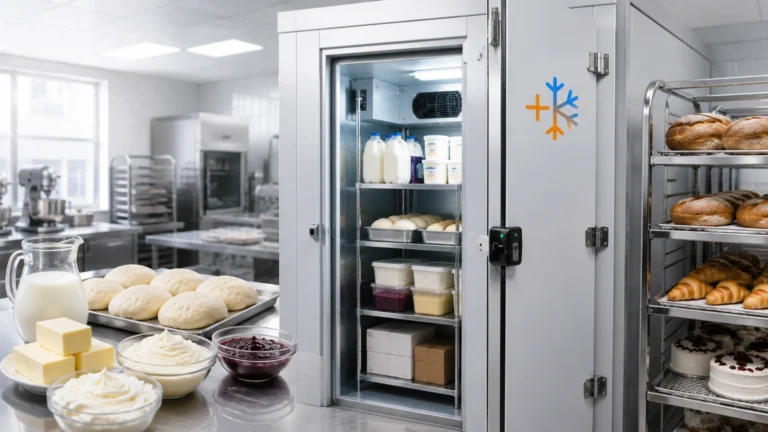
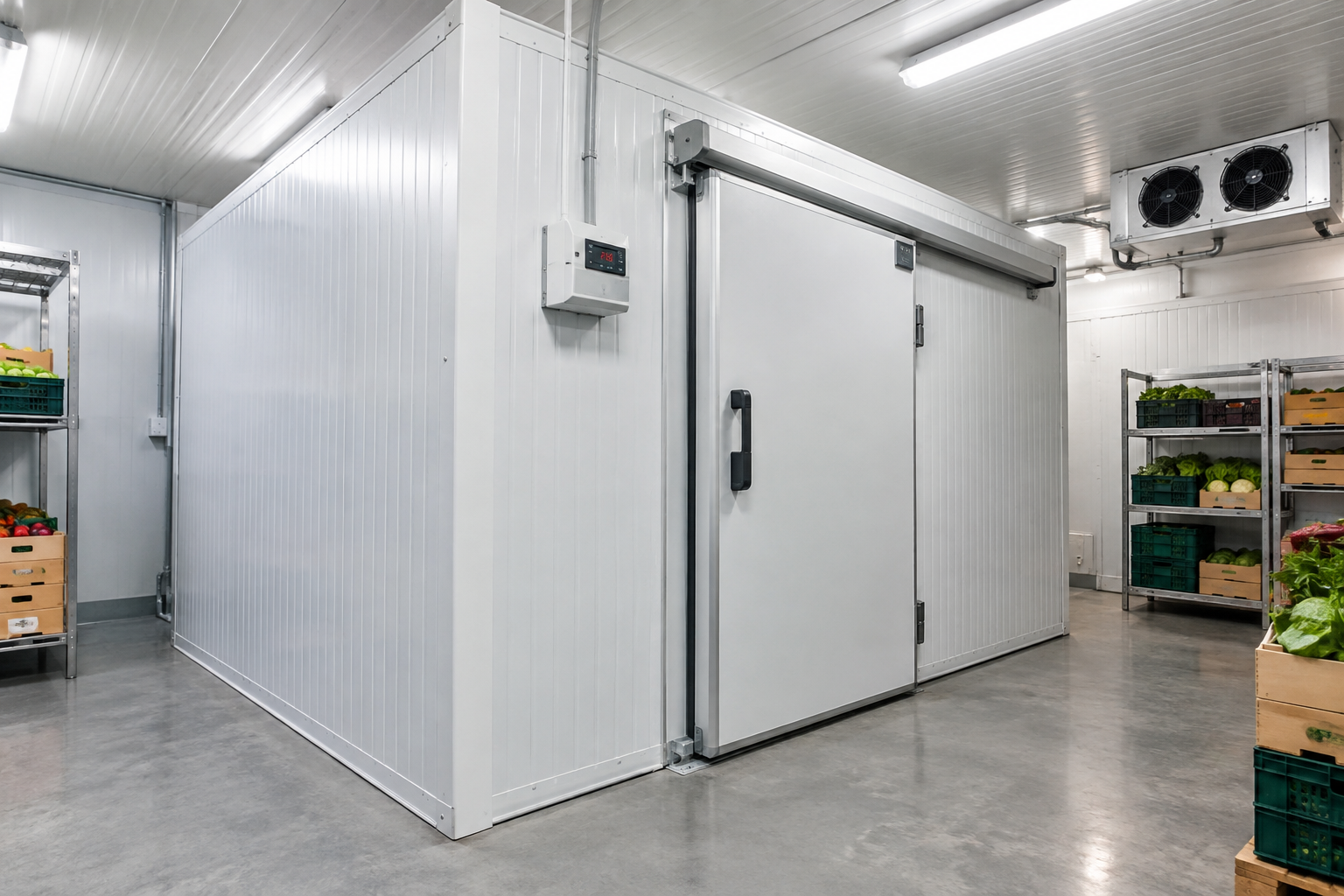
A cold room is a large, walk-in fridge or freezer. It is built to hold a set temperature throughout the day and night.
Businesses use cold rooms to store:
- Fresh food
- Frozen goods
- Flowers
- Medicines
- Drinks
- Other temperature-sensitive products
Cold rooms are popular in Birmingham because they solve a real storage problem.
Small fridges fill up fast. When a fridge becomes too full, cold air may not move around properly. Food can become warmer, items can be forgotten at the back, and money can be wasted.
A cold room gives you more space and makes stock easier to see and manage.
You can walk inside the room, organise your products and store much more stock in one dedicated area.
How Much Does Cold Room Installation Cost in Birmingham?
This is one of the first questions most business owners ask.
The honest answer is that the price depends on the size, design, cooling system, insulation, access and installation requirements.
Based on the figures provided in the original content, a small walk-in chiller can start at around £4,000. A medium commercial cold room may cost between £8,000 and £20,000, while large or complex installations can go above £30,000.
Here is a simple guide:
| Cold Room Size | Typical Use | Estimated Cost |
|---|---|---|
| Small (2–4 m²) | Cafe, small shop, bar | £3,000–£6,000 |
| Medium (4–8 m²) | Restaurant, supermarket, pharmacy | £8,000–£20,000 |
| Large (8 m²+) | Warehouse, food factory, distribution | £20,000–£30,000+ |
The final price can depend on several factors.
Why F-Gas Certification Matters More Than Ever in 2026
F-Gas certification is one of the most important things to check before choosing a cold room installer.
Modern cold rooms use refrigerants to produce cold air.
Some refrigerants can have a high environmental impact if they escape into the atmosphere. Because of this, the UK has rules controlling who can work with F-gases.
The supplied content identifies the Fluorinated Greenhouse Gases Regulations 2015 as the relevant UK legislation.
Where the rules apply, engineers carrying out installation, servicing or repair work on F-gas equipment need the correct certification.
What Happens During a Cold Room Installation?
A proper cold room installation is a planned process.
It involves more than simply putting panels together and switching on the refrigeration system.
Here is what you can expect.
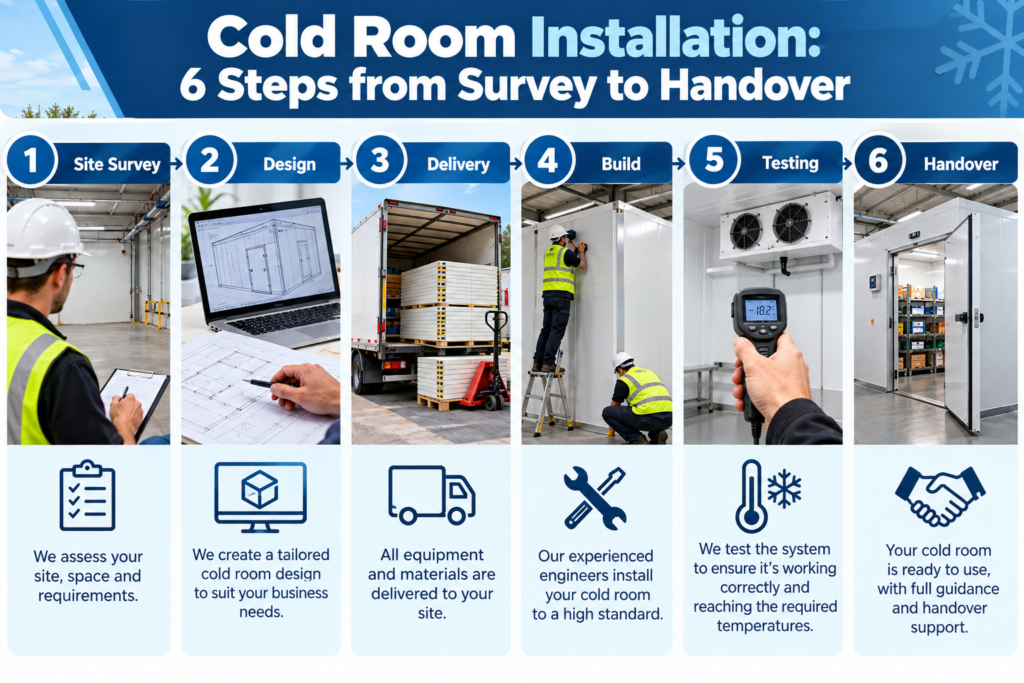
Step 1: Site Survey
An engineer visits your premises.
They check:
- Available space
- Measurements
- Power supply
- Access
- Your storage requirements
- Your expected usage
A site survey helps the installer understand what your business actually needs.
Step 2: Design
The engineer creates a cold room design based on your space and requirements.
They choose suitable:
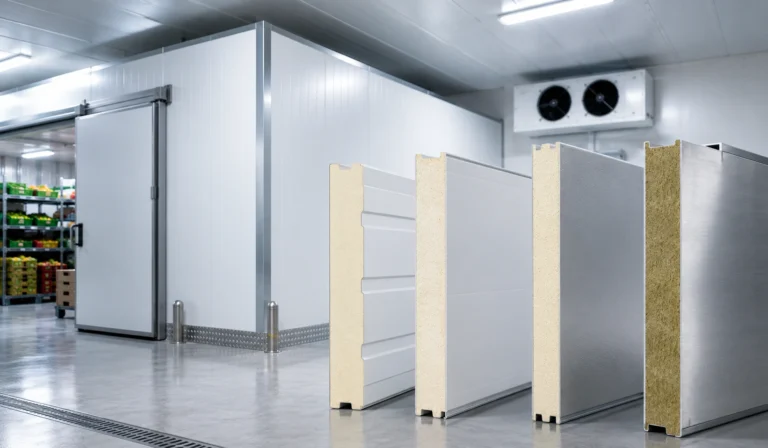
- Insulation panels
- Cooling equipment
- Doors
- Floor
- Controls
The design should be agreed before installation begins.
Step 3: Delivery
The required parts are delivered to your site.
The supplied content states that delivery can usually take one to two weeks after the design is approved.
Step 4: Build
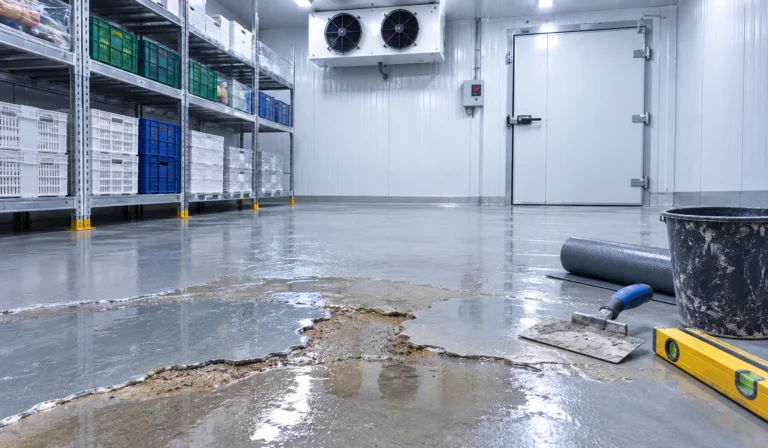
The installation team assembles the panels, installs the floor, fits the refrigeration equipment and connects the electrical systems.
A small cold room may take one to two days.
A larger installation can take three to five days.
Step 5: Testing
The engineer tests the system.
They check the temperature, inspect for leaks and make sure the equipment operates correctly.
They should also show your staff how to use the controls and alarms.
Step 6: Handover
Once the installation is complete, you should receive the relevant paperwork.
This can include:
- Warranty documents
- F-Gas records
- User manual
- Installation information
Keep these documents in a safe place.
Aftercare
A good installer should also provide aftercare.
Regular checks and professional support can help keep the cold room reliable and reduce the risk of unexpected problems.
How to Keep Your Cold Room Running Smoothly
A well-maintained cold room can last for many years.
The supplied content gives a potential service life of 15 to 20 years, depending on the equipment and maintenance.
Here are some simple ways to protect your investment.
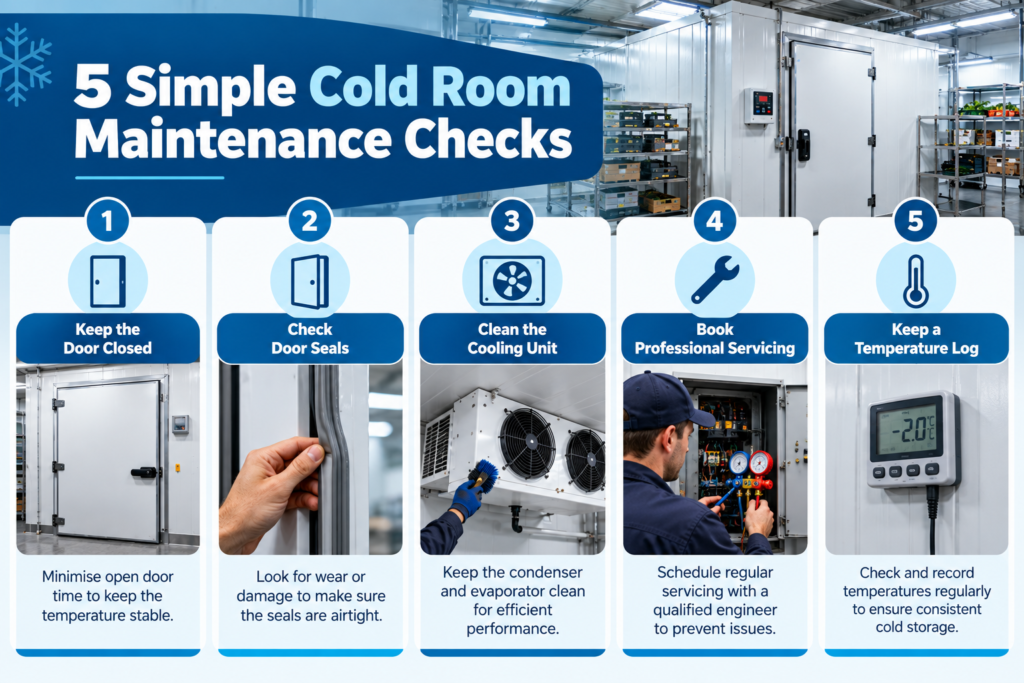
Keep the Door Closed
Try to keep the cold room door closed as much as possible.
Every time the door opens, warm air enters.
The cooling system then has to work harder to bring the temperature back down.
Check the Door Seals
Inspect door seals every few months.
If a seal is cracked, damaged or loose, cold air can escape.
This can make the refrigeration system work harder and increase energy use.
Clean the Cooling Unit
Dust and dirt can affect airflow around the cooling equipment.
Clean the system according to the manufacturer’s instructions and arrange professional servicing where needed.
Book Professional Servicing
Arrange professional service at least once a year, following the equipment manufacturer’s guidance and your operating requirements.
A trained engineer can check the system, test temperatures, inspect gas levels where applicable and identify developing problems.
Keep a Temperature Log
Record your cold room temperature regularly.
A temperature log can help you spot unusual changes early.
If the temperature begins to move outside the required range, you can arrange professional help before the problem becomes worse.
So summarizing everything:
Choosing the right cold room is an important business decision.
The main points to remember are:
- Choose a cold room based on your actual storage needs.
- Get a professional site survey before purchasing equipment.
- Compare complete quotations rather than looking only at price.
- Check F-Gas certification before refrigerant-related work begins.
- Choose between a chiller and freezer based on the products you store.
- Consider access before installation.
- Keep doors closed as much as possible.
- Check seals and cooling equipment regularly.
- Keep temperature records.
- Arrange professional maintenance.
- Choose an installer that can provide ongoing support.
A good cold room should provide reliable temperature control, enough storage space and sensible running costs for your business.
Choosing the right cold room is a big decision. It affects your daily operations, energy bills, storage capacity and refrigeration requirements for years to come.
Take your time, compare the full installation package and choose a team with the right experience and qualifications.
What is the biggest cold-storage challenge for your Birmingham business: space, cost, or reliability?
Frequently Asked Questions
1. How long does a cold room installation take?
Most small to medium cold rooms can take one to three days to install. Larger or more complex projects can take up to a week. Your installer should provide a clear timeline before work begins.
2. Do I need planning permission for a cold room?
If the cold room is installed inside an existing building, planning permission is generally not required according to the supplied content. If you are building an external structure, check with your local council before starting the project.
3. What temperature should my cold room be?
The supplied content recommends 0°C to 5°C for chilled food and -18°C or colder for frozen food. The correct temperature can depend on what you are storing and the applicable requirements.
4. How much electricity does a cold room use?
Good insulation and regular maintenance can help keep running costs under control.Electricity use depends on the size and type of cold room, the refrigeration system, insulation, usage and operating conditions.
5. Can a cold room be installed outside?
Yes. Outdoor cold rooms are possible.
The supplied content states that outdoor installations need suitable weather protection and may require a stronger cooling system.
6. What is F-Gas certification and why do I need it?
F-Gas certification shows that an engineer has the required qualification to work with relevant refrigerant systems.
Where F-Gas requirements apply, the appropriate certified professionals must carry out the relevant work.
7. How often does a cold room need servicing?
The supplied content recommends servicing at least once a year.
The ideal frequency can depend on equipment, usage and manufacturer recommendations.
8. What happens if my cold room breaks down?
Contact your installer or refrigeration engineer as soon as possible.
Keep the cold room door closed while waiting for professional assistance to help maintain the internal temperature for as long as possible.
9. Can I move my cold room to a new location?
The supplied content states that most cold rooms can be dismantled and rebuilt at a new site.
Speak with your installer before attempting to move the equipment because refrigeration and electrical work may be involved.
10. What warranty should I expect?
The supplied content states that many good installers offer at least a one-year warranty covering parts and labour, while some provide longer warranties on the refrigeration equipment. Always ask for warranty terms in writing.