
Cool Room Installer in Bradford vs DIY Installation: Which Is Safer?
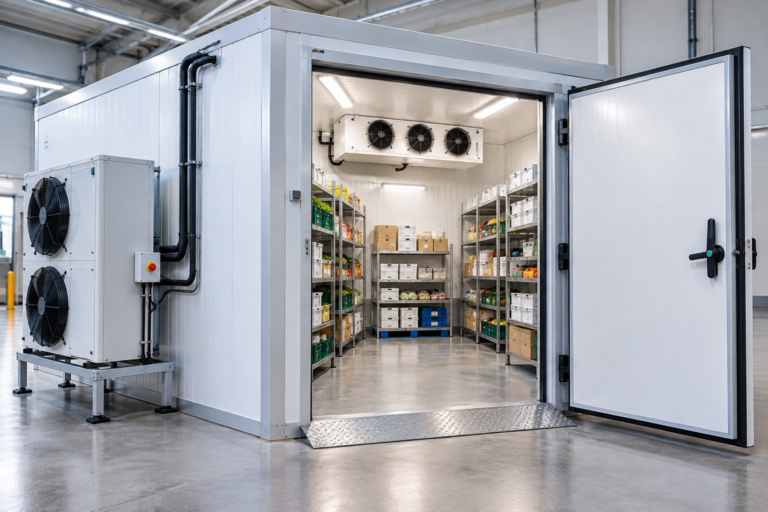
Choosing between a cool room installer in Bradford businesses can rely on and a DIY installation may seem like a simple cost decision. However, a cold room needs correct insulation, reliable refrigeration, safe electrical connections and accurate temperature control. A small installation mistake can lead to food spoilage, higher energy bills or serious safety risks. So, is DIY worth the saving, or is professional installation the safer choice?
DIY vs Professional Installation: The Main Differences
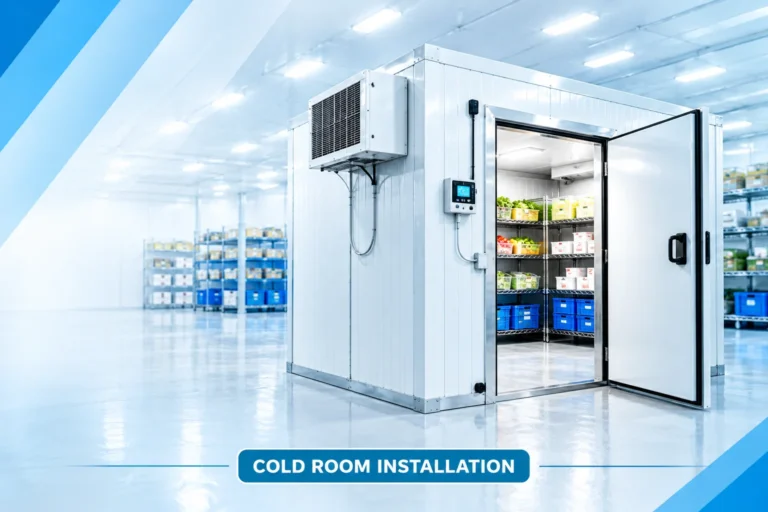
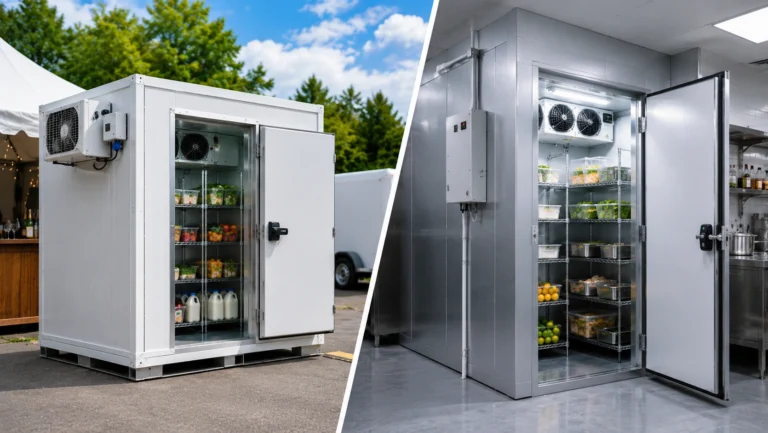
A DIY cold room project may involve assembling insulated panels, fitting a door and installing a refrigeration unit. Although some modular kits are designed for straightforward assembly, building a commercial cold room involves more than putting the components together.
Factor | DIY Installation | Professional Installation |
Initial cost | May be lower | Includes labour and technical expertise |
Refrigeration | Requires specialist support where needed | Installed and tested by qualified technicians |
Insulation | Depends on assembly accuracy | Panels, joints and seals are checked |
Electrical safety | Depends on competence and scope | Electrical work is handled by competent professionals |
Performance testing | May be limited | Includes commissioning and temperature checks |
Fault responsibility | Can be difficult to establish | Clearer scope, documentation and warranty terms |

The important difference is accountability. A professional installer can assess the complete system, identify problems before installation and test whether the finished room meets its intended requirements.
Why Professional Installation Is Safer
1. Refrigeration Work Requires the Right Qualifications
Commercial refrigeration systems can contain fluorinated greenhouse gases, commonly called F-gases. UK government guidance explains that individuals working on covered equipment need the appropriate qualifications for activities such as installation, maintenance, leak checking and refrigerant recovery.
Using the wrong tools or handling refrigerant without the required training can create environmental and safety risks. It can also leave your business facing costly repairs or compliance problems.
Before hiring a cool room installer Bradford business, ask about its engineers’ qualifications and whether the company holds the certification required for the work. You can verify the relevant requirements through the official UK F-gas qualification guidance.
2. Poor Insulation Can Cause More Than High Energy Bills
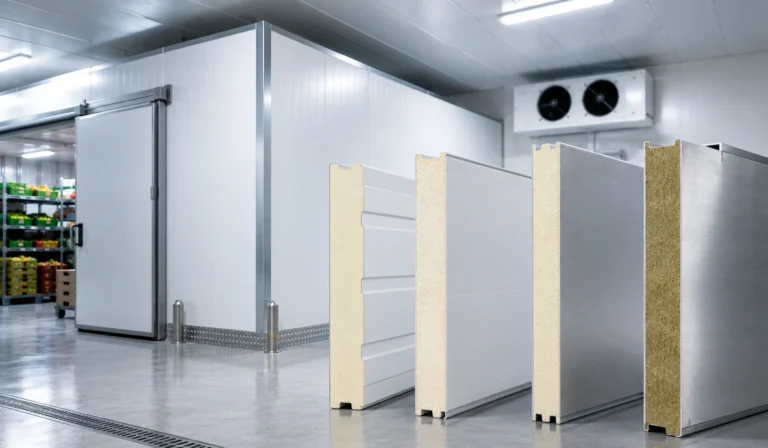
Cold room panels must fit together correctly, with suitable seals around joints, doors and penetrations. Gaps allow warm air and moisture to enter, making it harder for the refrigeration system to maintain the required temperature.
In freezer rooms, moisture can contribute to ice formation around doors and joints. Poor sealing and unsuitable insulation can also increase compressor workload and running costs.
Professional installation helps ensure panels are aligned, joints are sealed and doors close correctly. The floor, ceiling and wall construction must also suit the room’s operating temperature and intended use.
3. Electrical Mistakes Can Put People at Risk
Some homes need a hot water cylinder, new pipework, electrical upgrades or changes to their heating controls. These extras can increase the initial quote, so check whether the price includes equipment, labour, commissioning and any necessary modifications.
Refrigeration equipment needs a suitable electrical supply, safe connections and appropriate protection. Incorrect wiring, overloaded circuits or damaged cables can cause electric shock, equipment failure or fire.
The Health and Safety Executive advises that electrical installations should be carried out by people with the necessary training, skills and experience. Its electrical safety guidance also highlights the importance of checking for concealed cables before drilling.
A DIY installer should never attempt unfamiliar electrical work or assume that a unit is safe simply because it switches on. Use a competent electrical professional for work that requires specialist skills.
4. Temperature Control Protects Your Stock
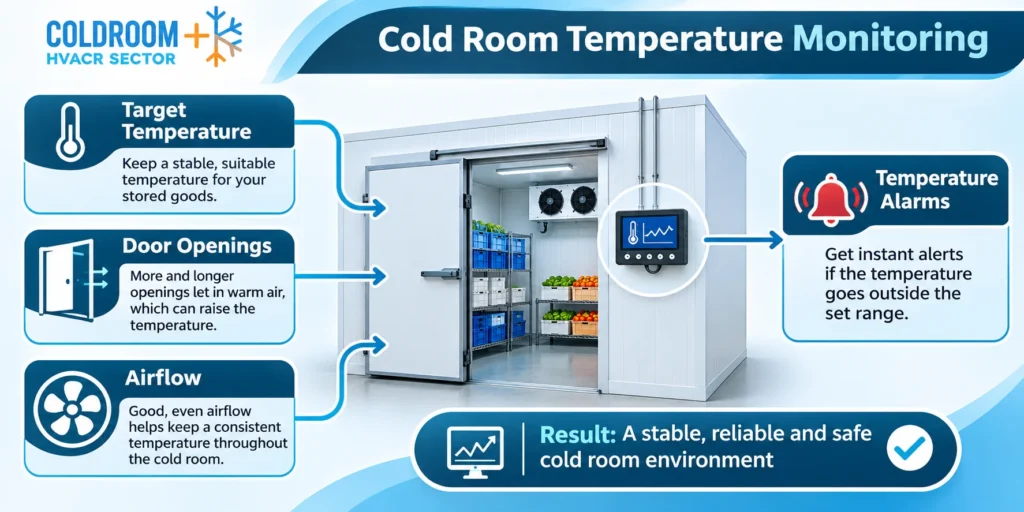
A cold room that looks finished may still fail to cool products properly. Incorrect equipment sizing, poor airflow, frequent door opening or inaccurate controls can prevent the room from reaching and maintaining its target temperature.
For food businesses, this is particularly important. The Food Standards Agency states that chilled food must generally be stored at 8°C or below in England, Wales and Northern Ireland, while recommending a fridge setting of 5°C or below to provide a safety margin. Specific products may need stricter conditions.
Read the official guidance on chilling and freezing food and follow the requirements for your products. A properly commissioned system should be tested under realistic operating conditions, with suitable temperature monitoring in place.

When Is DIY Installation Suitable?
DIY may be reasonable for a small, self-contained modular enclosure when the manufacturer explicitly permits self-assembly and the work stays within your skills. For example, assembling approved panels could be manageable if the base is suitable, the instructions are clear and no specialist refrigeration or electrical work is attempted.
However, installing a complete commercial system is a different matter. Restaurants, food warehouses, butchers and manufacturing facilities often need carefully calculated cooling capacity, drainage, ventilation, electrical integration and reliable temperature records.
Consider a Bradford café fitting a cold room before a busy summer season. If the refrigeration unit is undersized, the room may struggle when deliveries arrive and the door opens frequently. The apparent saving on installation could quickly disappear through spoiled stock, emergency repairs and lost trading time.
A practical rule: DIY may suit limited assembly work, but leave refrigeration commissioning and other regulated or specialist tasks to appropriately qualified professionals.
What Affects Cold Room Installation Costs?
There is no single price for every project. The total cost depends on the room’s dimensions, required temperature, insulation specification, refrigeration capacity, electrical supply, site access and installation complexity.
A small chilled storage room will generally have different requirements from a large freezer room or a facility handling temperature-sensitive products. Existing buildings may also need electrical upgrades, drainage work or changes to the installation area.
When comparing quotes for cold room installation UK services, ask for a clear breakdown of equipment, labour, commissioning, documentation and ongoing maintenance. Check whether the quote includes VAT, warranty conditions and any additional building work.
A low quote is not necessarily the cheapest option over the life of the room. Poor installation can increase electricity consumption, shorten equipment life and cause unexpected downtime.

How to Choose the Right Installer in Bradford
Start by confirming that the installer has experience with cold rooms similar to yours. A contractor who mainly works on small display fridges may not be the best fit for an industrial freezer or a temperature-critical storage facility.
Ask for evidence of relevant qualifications, company certification where required, insurance and previous project experience. Request a site assessment that considers room dimensions, stock type, expected deliveries, door usage and the required operating temperature.
The proposal should explain the system design, installation scope, commissioning checks and handover documents. It should also identify who is responsible for electrical work and any other specialist tasks.
Coldroomplus provides commercial refrigeration and bespoke cold room installation services across the UK. Its cold room installation service outlines its approach to site surveys, system design, installation and performance testing.
Before accepting any quote, confirm the response arrangements for breakdowns and the recommended maintenance schedule. These details matter when a refrigeration failure could put valuable stock or daily operations at risk.
Ready to Plan Your Cold Room Installation?
The safest option depends on the size and complexity of your project, but commercial refrigeration should never be treated as a simple assembly job. Correct design, qualified installation, safe electrical work and proper commissioning all help protect your stock and your business.
If you are comparing a cool room installer Bradford business with a DIY approach, start with a professional assessment and a detailed quote. You can then compare the full costs, safety requirements and long-term risks before making a decision.
What type of cold room are you planning to install in Bradford, and what temperature does your business need to maintain?
Frequently Asked Questions
1. Is it safe to install a cold room yourself?
DIY installation may be suitable for certain manufacturer-approved modular assemblies if the work is within your competence. Refrigerant handling, specialist electrical work and technical commissioning should be left to appropriately qualified professionals.
2. Why should I hire a cool room installer in Bradford?
A professional installer can assess your site, calculate cooling requirements and check that the room is assembled and commissioned correctly. This helps reduce the risk of temperature problems, energy waste and premature equipment failure.
3. Do I need an F-gas-qualified engineer to install a cold room?
You need appropriately qualified personnel for activities covered by UK F-gas rules, including specified installation and refrigerant-handling work. The exact requirements depend on the equipment and the work being performed.
4. How much does cold room installation cost in the UK?
Costs depend on room size, operating temperature, insulation, refrigeration equipment, site conditions and labour. Request an itemised quotation following a site assessment rather than relying on a generic price.
5. Can poor cold room installation cause food spoilage?
Yes. Poor insulation, inadequate cooling capacity or faulty temperature controls can prevent food from being stored at the required temperature. Businesses should monitor temperatures and follow applicable food-safety requirements.
6. How long does professional cold room installation take?
The timeframe depends on the room’s size, design, site preparation and equipment requirements. A straightforward modular project may take less time than a bespoke commercial installation requiring electrical upgrades or additional building work.
7. What qualifications should a cold room installer have?
Check that the installer has relevant refrigeration engineering qualifications and any personal or company certification required for the work. Also ask about insurance, similar completed projects and commissioning documentation.
8. Does a cold room need professional commissioning?
Professional commissioning is strongly recommended for commercial refrigeration systems. It verifies that the equipment, controls and temperature performance operate as intended before the room enters service.
9. Can DIY installation affect a cold room warranty?
It can, depending on the manufacturer’s terms and the type of work performed. Check the warranty conditions before starting, particularly where unauthorised installation or servicing could affect coverage.
10. How can I reduce cold room running costs after installation?
Use suitable insulation, maintain door seals, avoid unnecessary door openings and keep evaporator and condenser areas clean according to the manufacturer’s instructions. Arrange routine servicing and monitor energy use and operating temperatures to identify problems early.