Water Pooling Inside Cold Room: Causes and Solutions
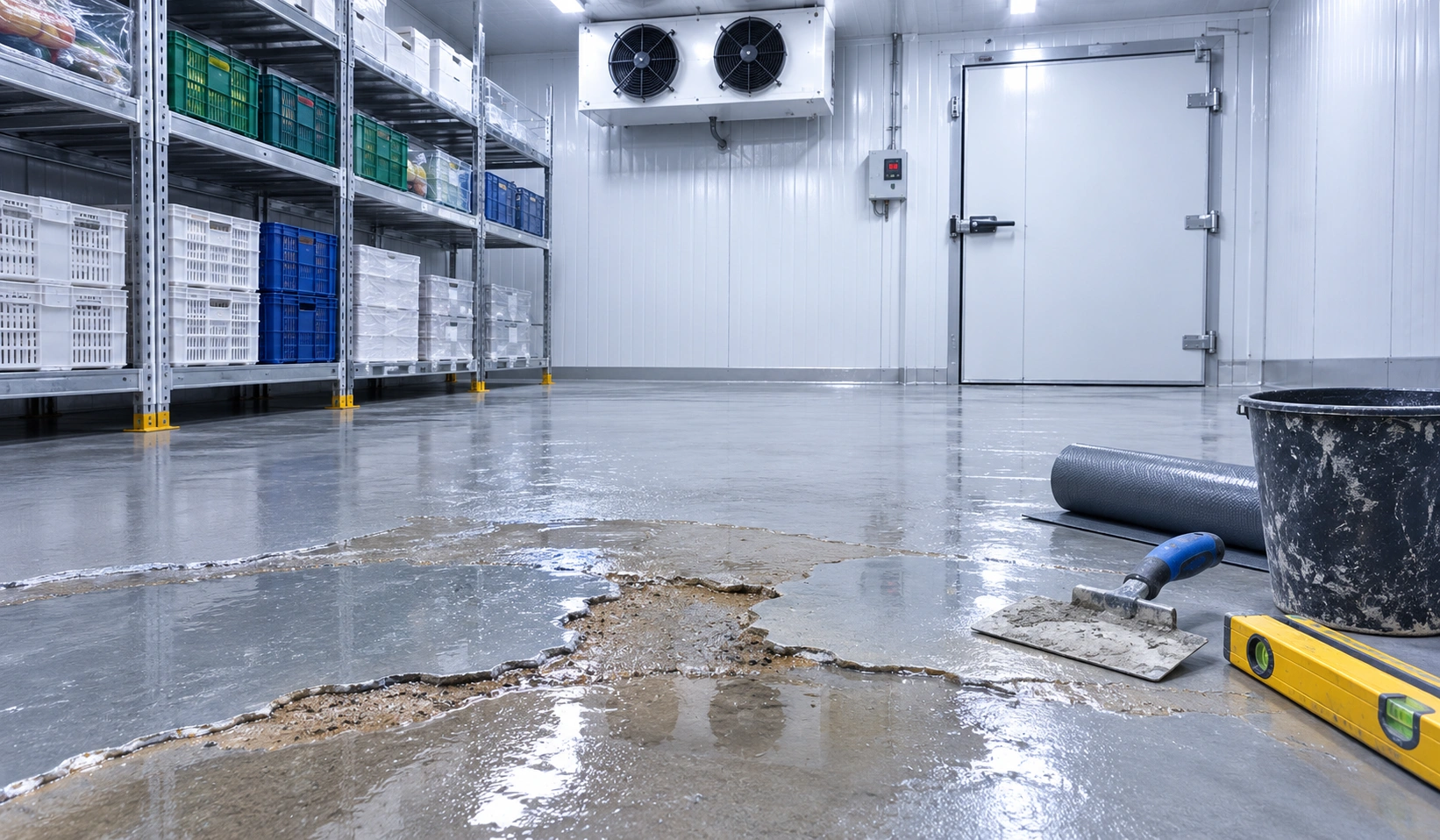
Water on the floor of a cold room may seem like a small problem at first. However, it can quickly become a serious issue that affects food safety, employee safety, energy efficiency, and refrigeration performance. If you have noticed water cooling inside cold room environments where moisture collects on the floor or around the evaporator, it is important to identify the cause before it leads to expensive repairs or damaged stock.
A well-maintained cold room should control both temperature and humidity. When water starts pooling, it usually means that something is preventing the refrigeration system from removing moisture properly or allowing unwanted warm air to enter. Understanding the common causes can help businesses reduce operating costs, improve food safety, and extend the life of their refrigeration equipment.
According to the UK Health and Safety Executive (HSE), slips and trips remain one of the most common workplace accidents, with wet floors being a major contributing factor. This makes standing water inside a cold room both an operational and a workplace safety concern.
Why Water Pooling Inside a Cold Room Should Never Be Ignored
Cold rooms constantly remove heat from stored products while controlling moisture in the air. During this process, condensation naturally forms on the evaporator coils. Under normal conditions, this water drains safely away through the condensate system.
Problems begin when the drainage process stops working correctly. Instead of leaving the system, water collects on floors, freezes into ice, or damages insulation panels.
Ignoring the issue can lead to several expensive problems, including:
- Higher electricity bills
- Reduced cooling performance
- Product spoilage
- Ice formation around doors
- Slip hazards for employees
- Premature compressor failure
The Carbon Trust explains that poorly maintained refrigeration systems consume significantly more energy than properly serviced equipment. Even minor faults can increase operating costs over time while reducing equipment reliability.
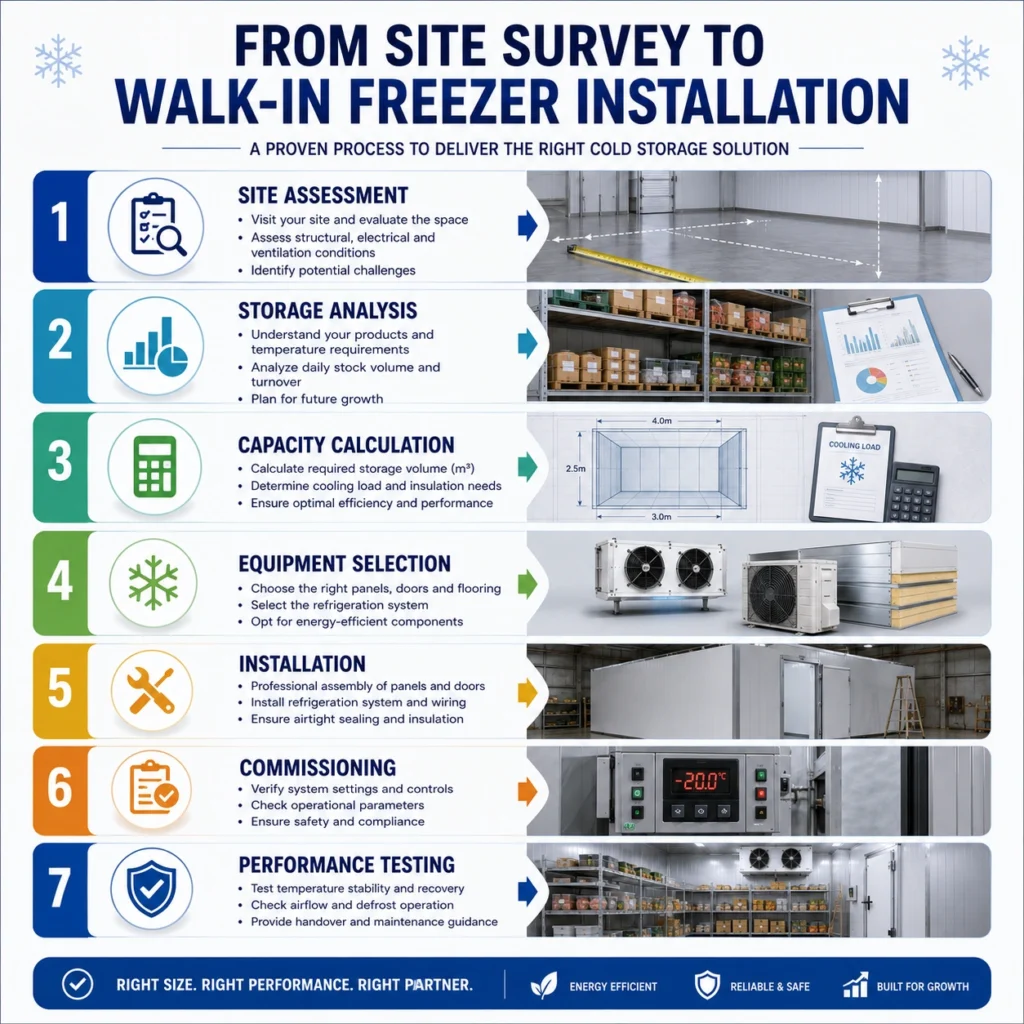
What Causes Water Pooling Inside a Cold Room?
Several different problems can produce similar symptoms. Finding the real cause is the first step towards fixing the issue permanently.
1. Blocked Condensate Drain
One of the most common causes is a blocked drain line.
Every cooling cycle creates condensation that should flow through the drain pan and exit the cold room. Over time, dirt, mould, grease, packaging debris, or algae can block the pipe.
When this happens, water overflows from the drain pan and spreads across the floor.
Signs include:
- Water underneath the evaporator
- Overflowing drain tray
- Damp patches near the cooling unit
- Bad smells from stagnant water
Routine cold room maintenance usually includes inspecting and cleaning drain lines before blockages become serious.
2. Damaged Door Seals
Door gaskets play a much bigger role than many people realise.
Every time warm outside air enters the cold room, moisture travels with it. Once the warm humid air meets the cold surfaces, condensation forms almost immediately.
If door seals become cracked, loose or worn, warm air continuously leaks inside.
This creates:
- Excess condensation
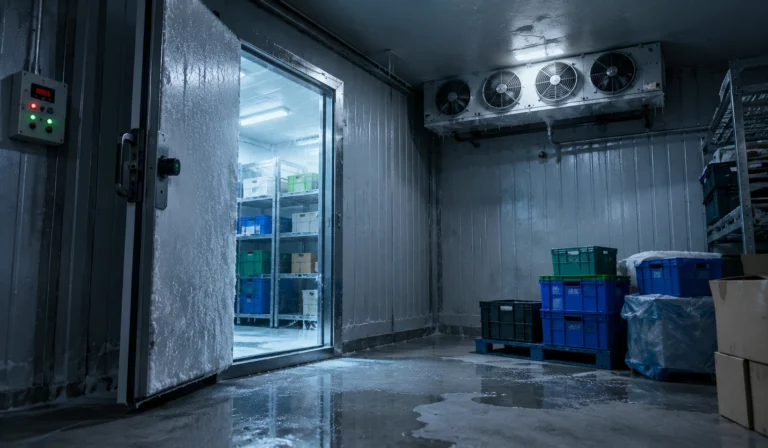
- Ice build-up
- Water puddles
- Increased compressor workload
The Food Standards Agency recommends maintaining refrigeration equipment so that stored food remains at safe temperatures. Poor sealing can make temperature control much harder.
3. Frozen or Blocked Evaporator Coils
Evaporator coils remove heat from the cold room.
If the coils become covered with ice, airflow reduces dramatically. Eventually, the ice melts during the defrost cycle, producing more water than the drainage system can handle.
Ice build-up usually results from:
- Poor airflow
- Faulty defrost heaters
- Dirty evaporator coils
- Refrigerant problems
- Door left open too often
Regular inspections help identify these issues before cooling performance starts dropping.
4. Faulty Defrost System
Modern cold rooms automatically remove frost several times each day.
During each defrost cycle, frost melts into water and flows through the drainage system.
If any component fails, including the timer, heater or controller, excessive ice remains on the evaporator. When the system eventually melts, large amounts of water can flood the floor.
Common warning signs include:
- Thick ice around the evaporator
- Longer cooling times
- Higher electricity use
- Water after every defrost cycle
According to guidance from the Institute of Refrigeration, regular inspection of defrost systems helps maintain refrigeration efficiency while reducing unnecessary energy consumption.
Want a tailored recommendation or quick quote? Reach out today
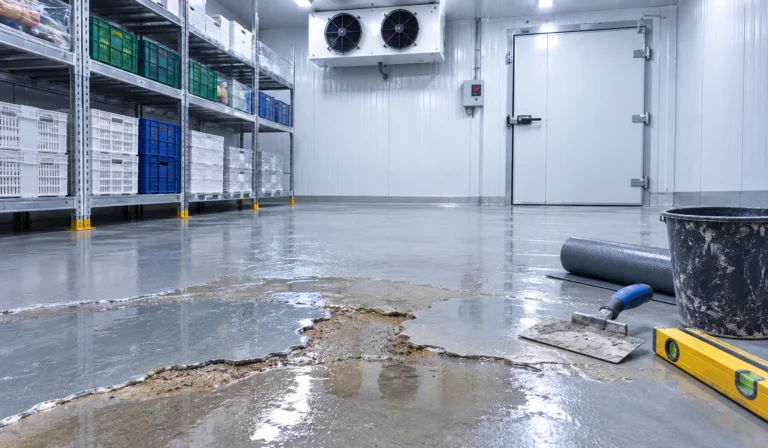
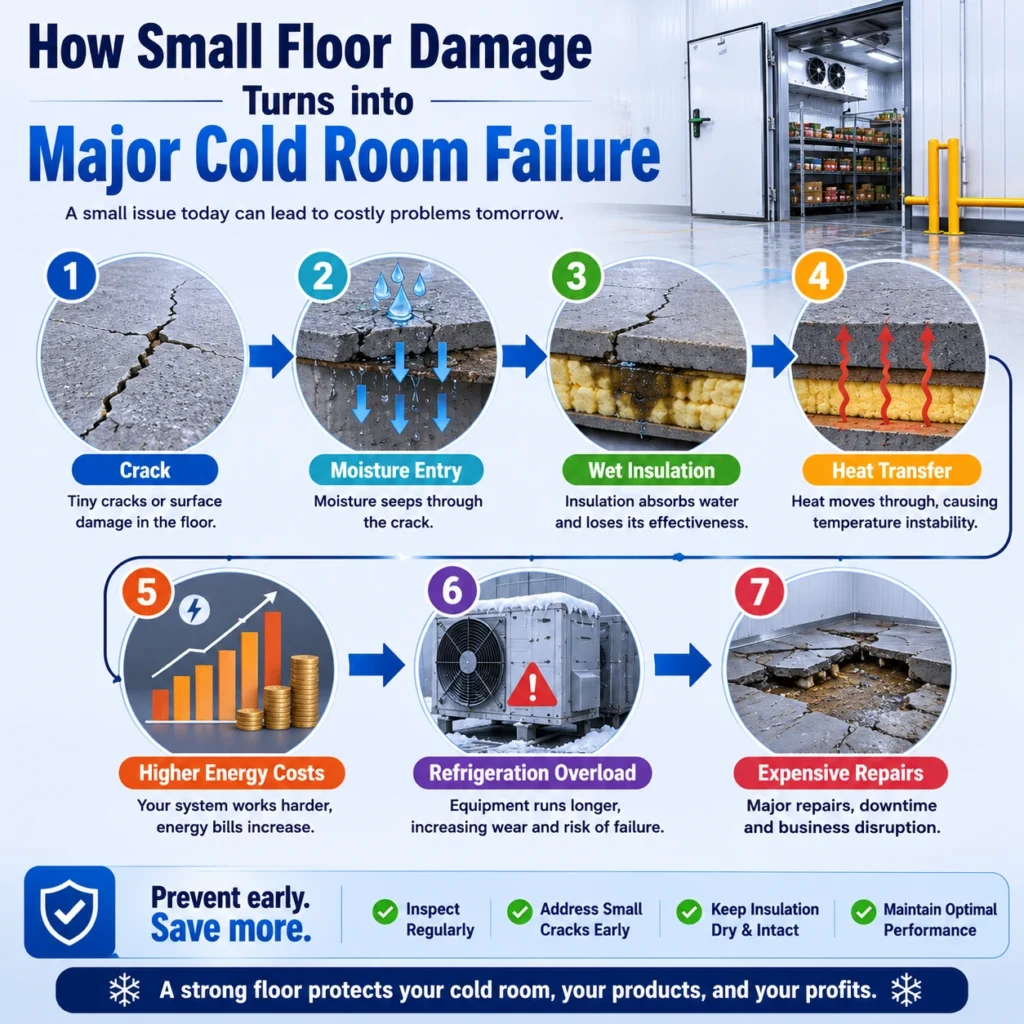
5. Incorrect Floor Drainage
Not every water problem comes from the refrigeration equipment itself.
Older cold rooms or poorly installed units may have flooring that does not slope correctly towards the drain.
Instead of flowing away, condensation stays on the floor and gradually forms puddles.
This issue becomes more noticeable in facilities with frequent washdowns or high humidity.
Professional inspections normally check:
- Floor level
- Drain location
- Drain capacity
- Surface damage
- Cracked floor joints
Fixing drainage problems early prevents water from entering insulation panels, where moisture can reduce insulation performance over time.
6. High Humidity Inside the Cold Room
Some businesses naturally create more moisture than others. Food processing facilities, commercial kitchens, florists, and catering businesses often bring warm or wet products into the cold room throughout the day.
Every time warm, humid air enters, the refrigeration system must remove that extra moisture. If humidity levels remain too high, condensation forms faster than the drainage system can handle.
You may notice:
- Water droplets on walls or ceilings
- Condensation on stored products
- Damp packaging
- More frequent ice build-up around the evaporator
Limiting the time that doors remain open and allowing hot products to cool before storage can significantly reduce excess moisture.
Want a tailored recommendation or quick quote? Reach out today
7. Refrigerant Problems Affect Cooling Performance
Although less common, refrigerant issues can also contribute to excessive condensation.
Low refrigerant levels reduce the cooling capacity of the evaporator. This may cause uneven temperatures, longer compressor run times, and abnormal ice formation. During defrost cycles, the excess ice melts and can create large pools of water.
Common warning signs include:
- Cold room struggling to reach temperature
- Compressor running continuously
- Ice only forming on part of the evaporator
- Higher electricity bills
- Food temperatures becoming inconsistent
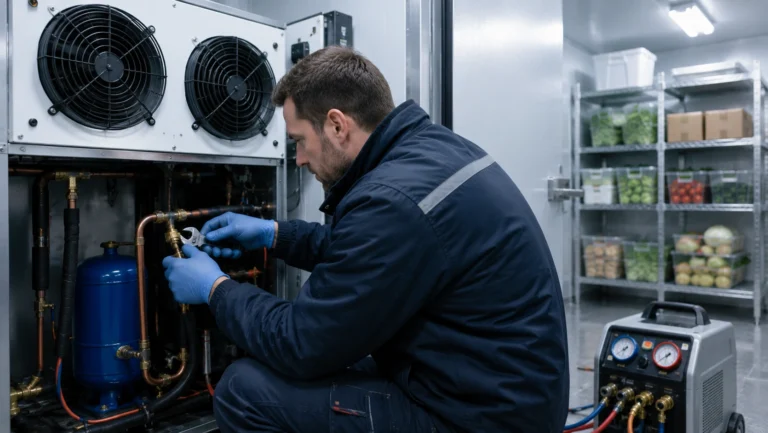
Because refrigerant systems operate under pressure and must comply with F-Gas regulations, diagnosis and repairs should always be carried out by qualified refrigeration engineers.
Why Regular Cold Room Maintenance Prevents Water Problems
Many water pooling issues develop slowly over several months. A small drain blockage or worn door seal may not seem serious initially, but it gradually reduces refrigeration efficiency.
Routine cold room maintenance allows engineers to identify small faults before they become costly breakdowns.
A preventative maintenance visit typically includes:
- Cleaning evaporator coils
- Inspecting condensate drains
- Testing defrost systems
- Checking refrigerant performance
- Examining door seals
- Verifying operating temperatures
- Inspecting fans and electrical components
The Carbon Trust notes that regular maintenance helps refrigeration systems operate more efficiently, reducing unnecessary energy consumption and extending equipment life. Even small efficiency improvements can lead to noticeable savings over the lifetime of commercial refrigeration equipment.
When Should You Call a Refrigeration Engineer?
Some issues can be identified during routine inspections, but others require specialist testing.
Arrange professional assistance if you notice:
- Water returning shortly after cleaning
- Ice repeatedly forming on the evaporator
- Refrigeration temperatures becoming unstable
- Water leaking from multiple locations
- Compressor running continuously
- Unusual noises from the cooling unit
- Visible refrigerant leaks or oily residue
Early intervention is almost always less expensive than waiting for a complete refrigeration failure.
What Happens If Water Pooling Is Ignored?
Ignoring standing water affects much more than housekeeping.
Persistent moisture can damage insulation, reduce cooling efficiency, increase compressor workload, create unsafe walking conditions, and shorten the overall lifespan of refrigeration equipment.
According to the UK Health and Safety Executive (HSE), slips and trips continue to be among the leading causes of non-fatal workplace injuries, making prompt removal of standing water an important part of workplace safety. Regular inspections also help businesses maintain consistent storage temperatures that support food safety and product quality.
Instead of waiting for a complete breakdown, regular inspections and preventative servicing help identify developing problems early, reducing disruption and protecting valuable stock.
Have You Spotted Water Pooling in Your Cold Room?
Has your business experienced recurring water on the floor, ice around the evaporator, or unexplained condensation? Which of the causes discussed above matches what you’ve seen in your cold room? Share your experience or questions—identifying the symptoms early can help prevent expensive repairs and unnecessary downtime.
Frequently Asked Questions (FAQs)
1. Why is there water pooling inside my cold room?
Water pooling inside a cold room is usually caused by a blocked condensate drain, damaged door seals, a faulty defrost system, frozen evaporator coils, or excessive humidity. These issues prevent condensation from draining properly, allowing water to collect on the floor. Regular cold room maintenance helps identify and fix these problems before they lead to costly repairs.
2. Is water pooling inside a cold room dangerous?
Yes. Standing water creates a slip hazard for employees and can damage insulation, flooring, and stored products. It may also indicate a refrigeration fault that can reduce cooling efficiency and increase energy costs. Addressing the issue promptly helps protect both workplace safety and product quality.
3. How do I stop condensation inside a cold room?
To reduce condensation, keep door openings to a minimum, replace damaged door seals, avoid placing hot products directly into storage, clean the condensate drain regularly, and ensure the defrost system is working correctly. Routine cold room maintenance is the most effective way to prevent excess moisture.
4. Can a blocked drain cause water inside a cold room?
Yes. A blocked condensate drain is one of the most common reasons for water pooling inside a cold room. Dirt, grease, mould, or debris can clog the drain line, causing water to overflow from the drain pan onto the floor. Regular cleaning helps prevent blockages.
5. Why does my cold room keep freezing and then leaking water?
This often happens when evaporator coils become covered in ice due to poor airflow, refrigerant issues, or a faulty defrost system. During the defrost cycle, the accumulated ice melts into large amounts of water, which may overflow if the drainage system cannot handle it.
6. How often should a commercial cold room be serviced?
Most commercial cold rooms should be professionally serviced at least every six months. Businesses with heavy daily use, such as restaurants, supermarkets, food manufacturers, and catering companies, may benefit from quarterly cold room maintenance to ensure reliable performance and food safety.
7. Can poor cold room maintenance increase electricity bills?
Yes. Dirty evaporator coils, blocked drains, damaged door seals, and refrigerant problems force the refrigeration system to work harder. This increases energy consumption, shortens equipment life, and raises operating costs. Preventive maintenance helps keep the system running efficiently.
8. What are the warning signs that my cold room needs maintenance?
Common warning signs include water pooling on the floor, ice build-up, unusual noises, unstable temperatures, excessive condensation, longer cooling times, rising electricity bills, and damaged door seals. Scheduling maintenance early can prevent unexpected breakdowns.
9. Can damaged door seals cause water inside a cold room?
Yes. Worn or damaged door seals allow warm, humid air to enter the cold room. As the warm air cools, it creates condensation that can lead to water pooling, frost build-up, and higher energy consumption. Replacing faulty seals helps maintain stable temperatures and reduces moisture.
10. When should I call a professional cold room engineer?
You should contact a qualified refrigeration engineer if water keeps returning after cleaning, the cold room cannot maintain the correct temperature, ice repeatedly forms on the evaporator, you notice refrigerant leaks, or the compressor runs continuously. Early repairs help avoid major equipment failures and protect valuable stock.