
Cold Room Gas Leak Check: Why It’s Essential Every Service
A reliable refrigeration system depends on stable refrigerant levels. Even a small cold room gas leak can reduce cooling performance and increase running costs. Over time, it can also damage expensive refrigeration components.
Many businesses only notice a problem after temperatures rise or energy bills increase. However, by that stage, the refrigeration system may already be under serious strain.
That is why professional cold room servicing should always include a full refrigerant leak inspection.
For businesses across Leeds and throughout the UK, regular leak checks help improve efficiency, reduce breakdown risks, and support food safety compliance.
According to the Carbon Trust, inefficient refrigeration systems can use up to 30% more energy than properly maintained systems. In many food businesses, refrigeration is one of the largest energy expenses.
Why Refrigerant Gas Is So Important
Refrigerant gas is the heart of every cold room system. It removes heat from the storage area and keeps temperatures stable.
Without the correct refrigerant charge, the system cannot cool properly.
As refrigerant levels fall, the system must work harder. Compressors run for longer periods. Energy consumption increases quickly.
A cold room gas leak can also lead to:
- Poor cooling performance
- Ice buildup on evaporator coils
- Rising electricity costs
- Temperature fluctuations
- Compressor overheating
- Product spoilage risks
Even small leaks can create major operational problems over time.
Small Refrigerant Leaks Are Hard to Spot
One of the biggest problems with refrigeration leaks is that they often develop slowly.
In many cases, the cold room still appears to work normally. However, cooling efficiency gradually declines behind the scenes.
Because of this, businesses often miss the early warning signs.
Common symptoms include:
- Longer cooling times
- Continuous compressor operation
- Higher energy bills
- Frost buildup
- Reduced cooling capacity
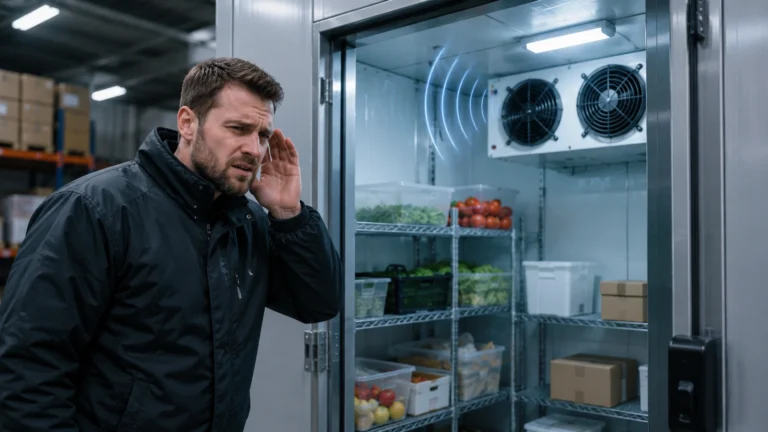
- Unusual refrigeration noises
According to the International Institute of Refrigeration, poor refrigeration efficiency creates major avoidable energy losses across commercial cooling sectors.

Gas Leak Checks Help Prevent Major Repairs
Compressors are among the most expensive parts inside a refrigeration system.
Low refrigerant levels force compressors to work harder than normal. As a result, internal components experience more wear and overheating.
Over time, this can lead to system failure.
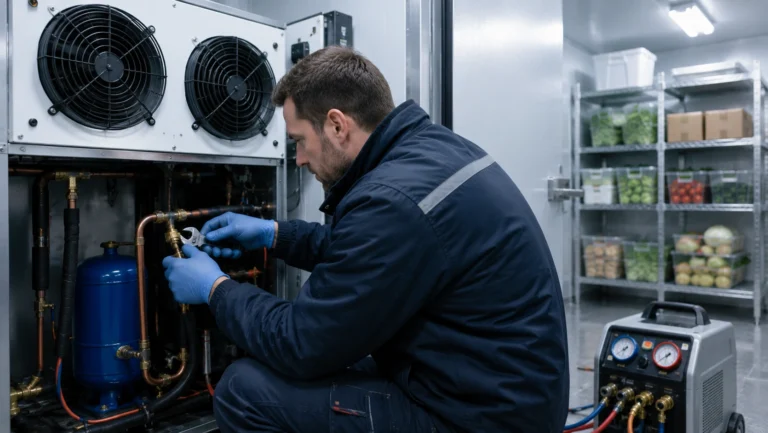
Routine cold room servicing helps engineers detect leaks before major damage occurs.
During a professional service visit, engineers may check:
- Refrigerant pressure levels
- Pipe connections
- Valves and joints
- Evaporator coils
- Condenser performance
- Refrigeration pipework
Finding a leak early usually costs far less than replacing damaged refrigeration equipment.
Want a tailored recommendation or quick quote? Reach out today
Refrigerant Leaks Can Affect Food Safety
Temperature stability is critical for food storage.
If refrigerant levels drop too far, the cold room may struggle to maintain safe temperatures. This increases the risk of spoilage and bacterial growth.
The UK Food Standards Agency recommends keeping chilled foods at safe and stable temperatures at all times.
This is especially important for businesses storing:
- Meat and seafood
- Dairy products
- Frozen goods
- Prepared meals
- Pharmaceuticals
- Floral products
A refrigeration failure caused by a cold room gas leak can lead to stock loss, operational disruption, and financial damage.
Domestic cold rooms also require proper monitoring. Homeowners storing specialist foods or temperature-sensitive products can experience similar problems if leaks go unnoticed.

F-Gas Regulations Make Leak Checks Essential
Many UK refrigeration systems fall under F-Gas regulations.
These rules help reduce greenhouse gas emissions from fluorinated refrigerants. Businesses using qualifying refrigeration systems may legally require regular leak inspections.
According to the UK Government, refrigerant gases can have a global warming effect thousands of times greater than carbon dioxide.
Because of this, refrigerant leaks should never be ignored.
Professional cold room servicing helps businesses remain compliant while improving refrigeration performance.
Refrigerant Leaks Increase Energy Bills
Energy costs continue to rise across the UK. For many businesses, refrigeration already represents a large portion of electricity usage.
A leaking refrigeration system becomes less efficient every day.
As refrigerant levels drop:
- Compressors run longer
- Cooling cycles become inefficient
- Heat transfer performance declines
- Electricity usage increases
The British Refrigeration Association highlights the importance of regular servicing to maintain efficient refrigeration performance.
Preventative maintenance helps reduce unnecessary energy waste.

Modern Leak Detection Technology Is Very Accurate
Today’s refrigeration engineers use advanced leak detection equipment. These tools can identify even very small refrigerant leaks.
Modern leak detection methods may include:
- Electronic leak detectors
- Nitrogen pressure testing
- UV dye testing
- Bubble testing solutions
- Thermal inspection tools
These technologies help engineers locate hidden problems before they become expensive failures.
Domestic Cold Rooms Need Servicing Too
Domestic cold rooms are becoming more popular across the UK. Many homeowners now use refrigeration rooms for catering, farming, luxury kitchens, or speciality food storage.
However, domestic systems can also develop refrigerant leaks.
Without regular maintenance, homeowners may face:
- Higher electricity bills
- Reduced cooling efficiency
- Food spoilage
- Compressor damage
- Shorter equipment lifespan
Routine servicing helps keep domestic refrigeration systems reliable and efficient.
Want a tailored recommendation or quick quote? Reach out today
Why Preventative Servicing Protects Your Investment
Most refrigeration failures do not happen suddenly. In many cases, small problems develop slowly over time.
That is why preventative cold room servicing is so important.
Regular maintenance helps businesses:
- Reduce breakdown risks
- Lower operating costs
- Improve energy efficiency
- Protect stored products
- Extend equipment lifespan
At Coldroomplus, professional engineers provide expert servicing and refrigerant leak inspections for businesses and domestic customers across Leeds and throughout the UK.
Whether you operate a restaurant, warehouse, retail business, or home cold room, routine leak detection remains one of the most effective ways to protect your refrigeration system long-term.
FAQs – Cold Room Gas Leak Check
1. What causes a cold room gas leak?
A cold room gas leak can happen due to damaged pipework, loose connections, corrosion, vibration, worn valves, or poor installation. Over time, refrigeration systems naturally experience wear that may lead to refrigerant leaks if not serviced regularly.
2. How do I know if my cold room has a gas leak?
Common signs include poor cooling performance, rising electricity bills, ice buildup on evaporator coils, unusual noises, longer compressor run times, and fluctuating temperatures inside the cold room.
3. Why is a cold room gas leak dangerous?
A refrigerant leak can reduce cooling efficiency and damage expensive refrigeration components. In commercial environments, it may also lead to food spoilage, stock loss, regulatory issues, and higher operating costs.
4. How often should a cold room gas leak check be carried out?
Most commercial refrigeration systems should undergo leak inspections during every professional cold room servicing visit. Systems covered by UK F-Gas regulations may legally require scheduled leak testing depending on refrigerant charge size.
5. Can a refrigerant leak increase energy bills?
Yes. A refrigeration system with low refrigerant levels works harder to maintain temperatures. This increases compressor workload and electricity consumption, leading to higher energy costs.
6. What happens if a refrigerant leak is ignored?
Ignoring a cold room gas leak can cause compressor overheating, reduced cooling performance, system breakdowns, and complete refrigeration failure. It can also shorten the lifespan of the equipment.
7. What equipment do engineers use to detect gas leaks?
Professional engineers use electronic leak detectors, nitrogen pressure testing, UV dye testing, thermal inspection tools, and bubble testing solutions to locate refrigerant leaks accurately.
8. Is refrigerant leak testing legally required in the UK?
Yes. Many commercial refrigeration systems fall under UK F-Gas regulations. Businesses may legally need routine leak inspections carried out by certified engineers to remain compliant.
9. Can domestic cold rooms develop refrigerant leaks?
Yes. Domestic refrigeration systems can also develop leaks over time. Regular servicing helps maintain cooling efficiency, reduce electricity usage, and prevent expensive repairs.
10. How long does a cold room gas leak inspection take?
A professional leak inspection usually takes between 30 minutes and a few hours depending on system size, refrigerant type, accessibility, and whether repairs are required.
11. Does cold room servicing include gas leak detection?
Professional cold room servicing should always include refrigerant pressure checks and leak inspections. Early detection helps prevent major refrigeration failures and costly repairs.
12. Why is preventative cold room servicing important?
Preventative servicing helps improve energy efficiency, reduce breakdown risks, extend equipment lifespan, maintain food safety standards, and identify refrigerant leaks before they become serious problems.